
Memory Foam vs Latex Pillow
Compared from manufacturer specifications and our research — neither pillow has been hands-on tested yet · See how Mr. Squish tests pillows
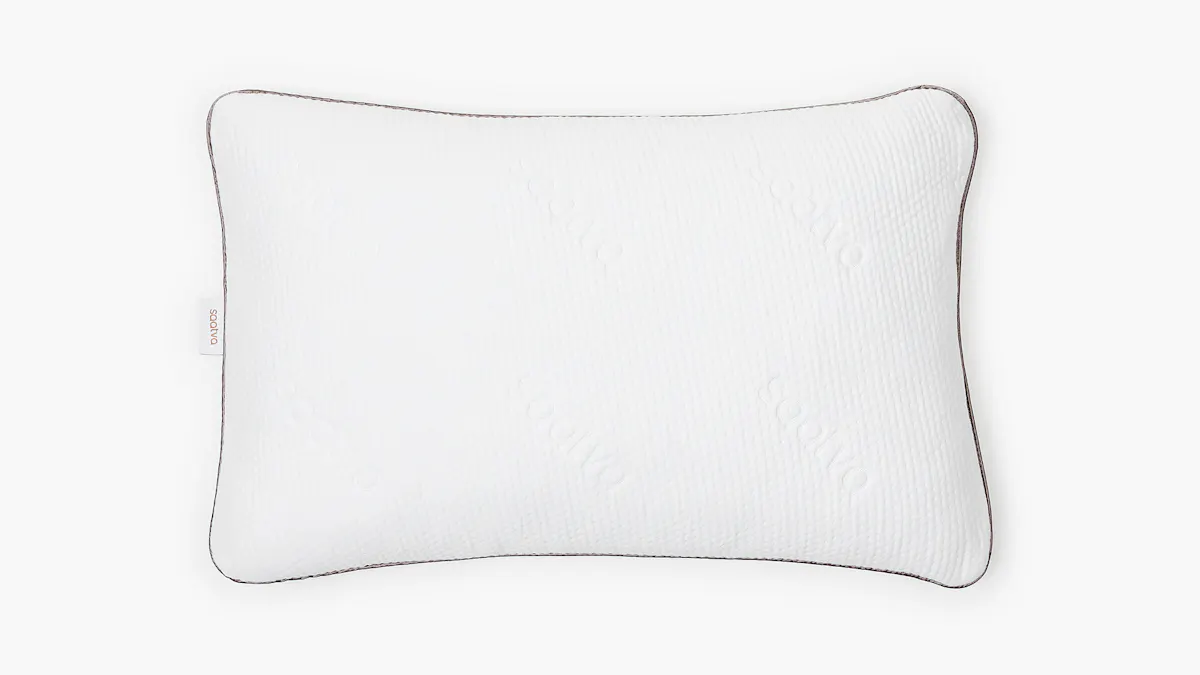
Saatva Memory Foam Pillow
Saatva · Gel Memory Foam · Medium
Graphite-infused gel memory foam pulls heat away while a plush organic cotton cover keeps things luxurious. A standout cooling pick.
9.1/10 · from $165
Read the full review
Saatva Latex Pillow
Saatva · Latex · Medium
A shredded Talalay latex core wrapped in a plush organic cotton pillow-top. Springy instead of sinky, and it runs noticeably cooler than memory foam.
9/10 · from $165
Read the full reviewMemory foam and latex are the two dominant premium pillow fills, and choosing between them is mostly a question of whether you like sinking in or being held up. To keep the comparison clean, we tested them within one brand: Saatva's Memory Foam Pillow and Saatva Latex Pillow share a similar cover and price bracket, so the difference you feel really is the material.
Memory foam is viscoelastic — it softens with body heat and slowly moulds around your head. Latex is elastic — it pushes back immediately and returns to shape the instant you move.
Side by side
| Saatva Memory Foam Pillow | Saatva Latex Pillow | |
|---|---|---|
| Feel | Slow-sinking, contouring, cradling | Springy, buoyant, immediate push-back |
| Response speed | Slow — holds an impression | Fast — reshapes as you move |
| Heat | Warmer; needs gel or ventilation to compete | Naturally cooler, open cell structure |
| Pressure relief | Excellent — spreads weight evenly | Very good, with more surface support |
| Best for | Back sleepers, neck pain, motion-free support | Combination sleepers, hot sleepers |
| Durability | 3–5 years before softening | 5+ years, very resilient |
| Weight | Heavier, denser | Firm but livelier |
| Price | $165 | $165 |
How each one feels under your head
Memory foam sinks. Over the first minute your head settles into a pocket and the foam wraps up around your ear and jaw, which is why it excels at pressure relief and why people with neck pain often prefer it — the support is shaped exactly to you and it does not move.
Latex lifts. It compresses only as far as your weight demands, then holds, so you sleep more on the pillow than in it. There is a light bounce that some sleepers find much fresher than foam, and others find too firm.
Temperature
Latex wins clearly. Its open cell structure moves air, so heat does not pool under your head. Memory foam is an insulator by nature and needs help — graphite or gel infusion, ventilation channels, or a shredded rather than solid construction — to stay comfortable. Saatva's memory foam pillow uses graphite-infused gel foam and does hold up well, but the latex still runs cooler.
If you wake up flipping your pillow to find the cold side, that is the deciding datapoint.
Sleep position
Back sleepers tend to prefer memory foam: the cradle behind the neck is exactly what the position wants, and there's no need to reshape anything through the night.
Combination sleepers tend to prefer latex, because it recovers instantly when you roll instead of leaving you on last position's impression.
Side sleepers can go either way, and it comes down to shoulder width and loft rather than material. Stomach sleepers should look at a low-loft or adjustable pillow instead of either.
Durability, allergies and smell
Latex is the more durable material — it resists the gradual softening that eventually flattens memory foam, and a good latex pillow can be a five-to-ten year purchase. It also resists dust mites and mould naturally.
Memory foam has a stronger initial off-gassing smell that fades in a few days. Latex has a faint rubbery scent instead. Natural latex is not appropriate for anyone with a latex allergy; memory foam is a synthetic alternative in that case.
Choose memory foam if you sleep on your back, you have neck pain and want a shaped cradle that stays put, or you want the deepest pressure relief.
Ready to give it a squish?
Choose latex if you run hot, you change position through the night, you dislike the sinking feeling of foam, or you want the pillow to last the longest.
Ready to give it a squish?
Our verdict
Latex is the better all-round material — cooler, more responsive and longer lasting — and it's our default recommendation for combination and hot sleepers. Memory foam still wins where contouring matters most: back sleepers and neck pain sufferers who want their support shaped precisely to them and completely still.