
How Often Should You Replace Your Pillow?
Pillows do not wear out dramatically — they wear out gradually, which is why most people sleep on a dead pillow for years without noticing. The fill slowly loses its ability to hold loft, your neck compensates with muscle tension, and one day you realize you have not woken up without a stiff neck in months. Meanwhile the pillow is also accumulating dust mites, skin cells, and body oil that washing only partially removes. Here is how long each fill type actually lasts, and two 30-second tests that tell you whether yours is done.
In this guide
Replacement timeline by fill type
Fill material is the biggest driver of pillow lifespan. These ranges assume nightly use and basic care (a protector, regular washing where the fill allows it).
- Polyester / down alternative: 1–2 years. The fastest to flatten; budget fills can go in under a year.
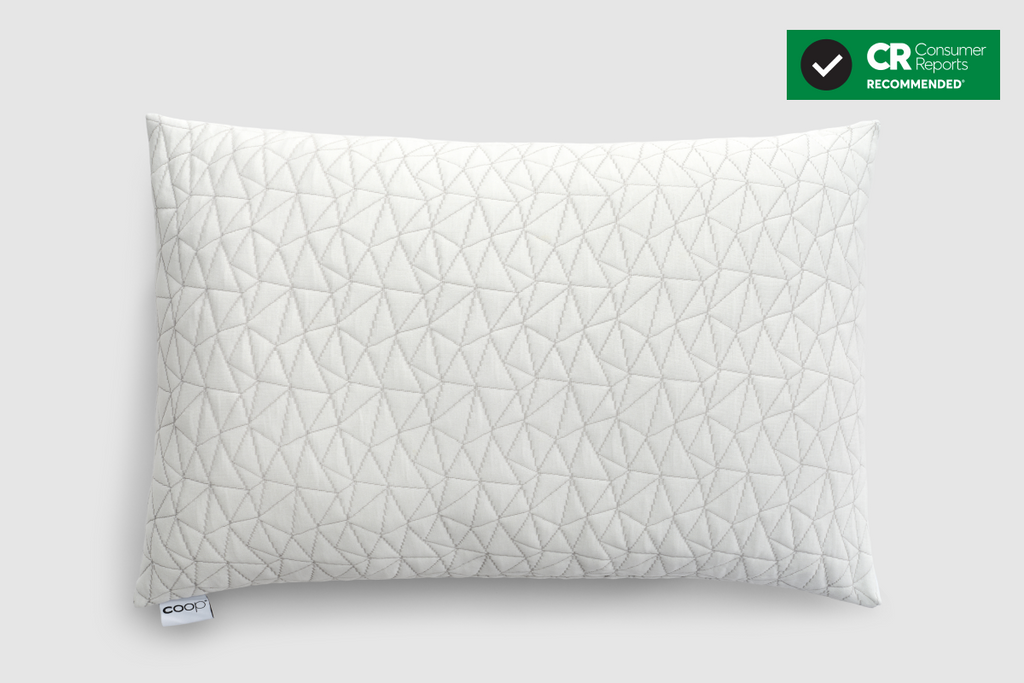
- Memory foam (shredded): 2–3 years. Adjustable shredded fills last toward the long end because you can refresh them with extra fill.
- Memory foam (solid): 2–3 years. Watch for permanent indentations and crumbling edges.
- Down and feather: 5+ years with daily fluffing and proper care — the longest-lived fill, and often the best value per year despite the price.
- Latex: 3–4 years. Very resilient, but the surface slowly oxidizes and crumbles.
- Buckwheat hulls: 3+ years for the pillow; the hulls themselves can be topped up or replaced, extending life indefinitely.
The fold test (for fiber and down pillows)
Lay the pillow on a flat surface and fold it in half. A healthy pillow springs back open immediately. If it stays folded — or unfolds slowly and sadly — the fill has lost its resilience and the pillow is done. For extra certainty, lay a shoe on top of the folded pillow: if it cannot push the shoe off as it unfolds, replace it.
The signs for foam pillows
Foam does not fold, so judge it differently: look for a permanent head-shaped crater that does not recover by morning, crumbling or flaking edges, and yellowing that washing does not fix. Any of these means the foam's cell structure is breaking down and support is gone even if the pillow still feels soft.
The hygiene math
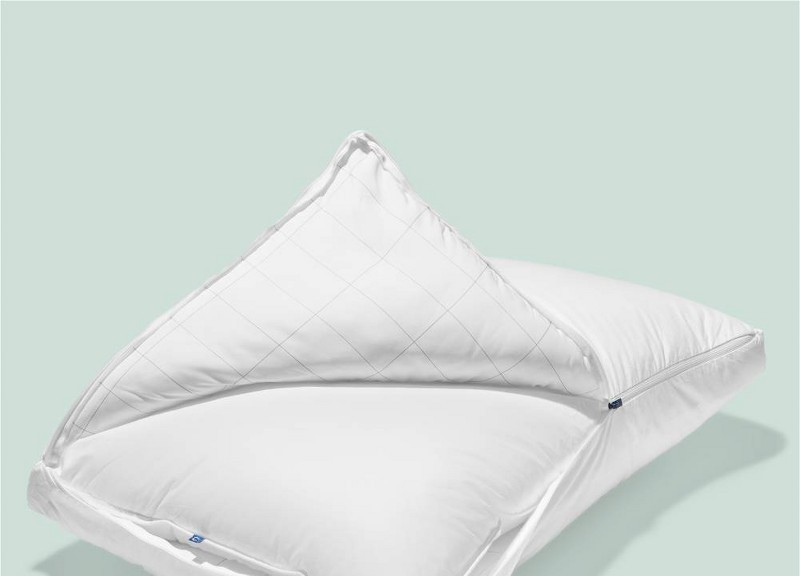
Even a structurally fine pillow accumulates material you cannot fully wash out: dust mites and their waste, skin cells, sweat, and oils. This is the main reason allergists push for regular replacement or, at minimum, a zippered allergen-proof protector under the pillowcase — which can meaningfully extend the hygienic life of any fill.
How to make the next one last longer
Use a zippered protector, wash on the schedule the fill allows, fluff daily (fiber and down), and keep foam out of the washing machine unless the manufacturer explicitly says otherwise. And when you do replace the pillow, match loft to your sleep position rather than rebuying whatever was there — an old pillow's flattened loft is not a reliable guide to what you actually need.
Pillows we recommend for this
FAQ
Get the Mr. Squish Pillow Cheat Sheet
A simple guide to choosing the right pillow based on your sleep position, body size, and comfort preferences.
No spam. Unsubscribe anytime.
Affiliate disclosure: Mr. Squish may earn a commission when you buy through links on this page. Recommendations come from hands-on testing. Learn more.