
Expect a firm surface
Hull fill shifts into place but does not cushion like foam, fiber, or down.
Pillow material guide
Buckwheat hull pillows offer adjustable, shapeable support with substantial airflow, but their weight, sound, and firm feel are not for everyone. This hub collects our research, product reviews, and direct comparisons in one place.
Start with the fundamentals
Hull fill shifts into place but does not cushion like foam, fiber, or down.
Removing or adding hulls changes both loft and firmness, so tune the pillow gradually.
Buckwheat pillows are heavier than most alternatives and the hulls can rustle when you move.
Research shortlist
These are research picks based on manufacturer specifications, documentation, and owner-feedback patterns—not hands-on testing.

Best for: Buckwheat fans who want a premium, Japanese-sized sobakawa
A refined take on the traditional Japanese sobakawa: organic buckwheat hulls in a thick bamboo-blend case, in a compact Japanese Plus size or a full American standard.
Read Review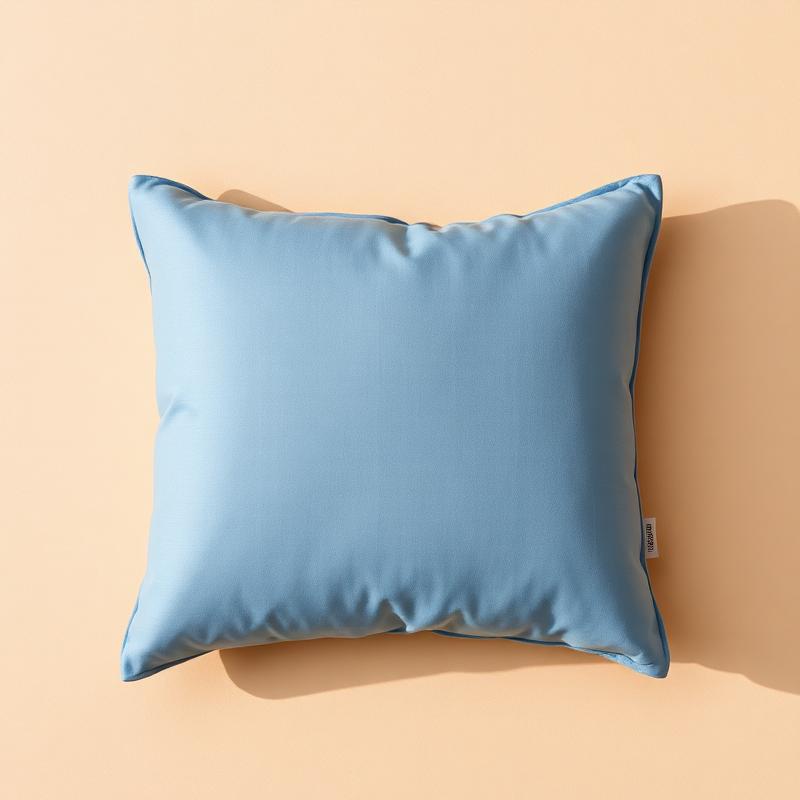
Best for: Hot sleepers who want firm, moldable support
Organic cotton twill filled with buckwheat hulls. It holds whatever shape you push it into, breathes better than any foam, and lasts for a decade — but it rustles.
Read Review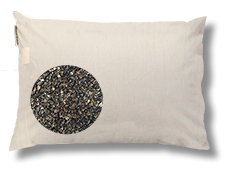
Best for: Purists who want a traditional, American-made buckwheat pillow
A no-frills, traditional sobakawa-style pillow filled with USDA organic triple-cleaned buckwheat hulls in an unbleached cotton zippered case — made in the USA since 2004.
Read ReviewBuckwheat pillows are firm, moldable, and the coolest fill available — but they're heavy and they rustle. Here's an honest look at who benefits and who should skip them.
How real down and synthetic down alternative compare on feel, support, cooling, allergies, care, price, and lifespan.
Water-filled pillows let you set loft to the millilitre and stay supportive all night. Here's how they work, the research behind them, and the drawbacks.