
Buckwheat Pillow Benefits: What a Sobakawa Actually Does
Buckwheat pillows — sobakawa in Japan, where they've been used for centuries — are filled with the hard outer hulls of buckwheat seeds. They're having a moment among sleepers burned out on foam, but they are a genuinely different sleeping experience, not just a new material. Here's what they actually do well, what they don't, and who should try one.
In this guide
Benefit 1: support that never quits
Buckwheat hulls interlock under pressure. Push a hollow for your head and a ramp under your neck, and the pillow holds that exact shape all night — no gradual flattening, no 3 a.m. re-fluffing. For side sleepers who need a tall, unwavering loft, nothing else comes close.
Benefit 2: the coolest pillow fill there is
Air circulates freely between the hulls, so heat never accumulates. A buckwheat pillow doesn't just sleep neutral — it sleeps actively cool, cooler than any foam, latex, or down construction. Hot sleepers who have exhausted every 'cooling foam' option often end up here.
Benefit 3: true adjustability and longevity
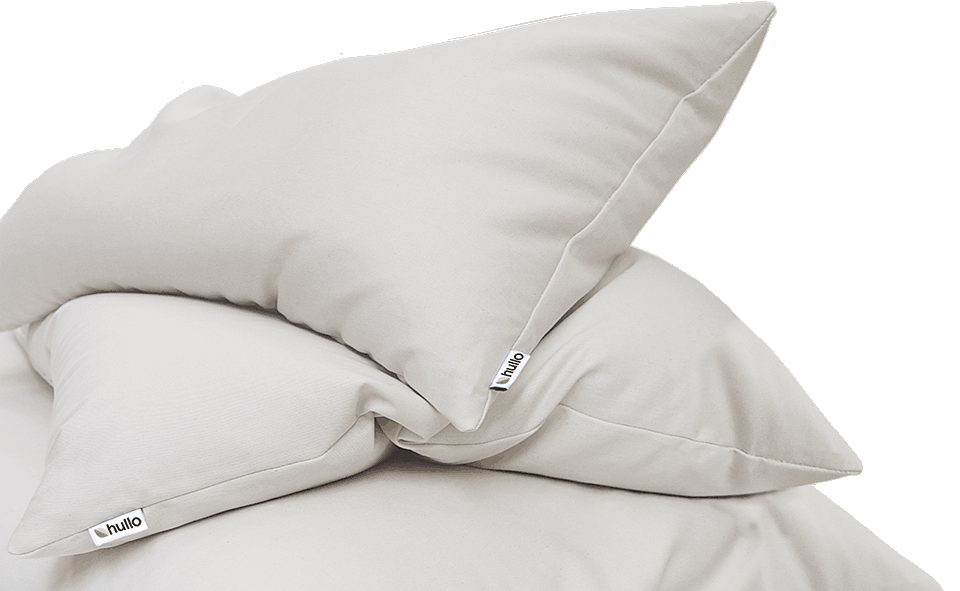
Every decent buckwheat pillow has a zippered case: add hulls to raise the loft, remove them to lower it, and replace the hulls entirely after years of use instead of buying a new pillow. The hulls themselves are a natural, biodegradable fill — organic options from Hullo, PineTales, and Beans72 avoid the pesticide and dust issues of cheap imports.
The honest drawbacks
Buckwheat pillows are heavy — 8 to 15 pounds depending on size. They rustle when you move, which bothers light sleepers and some partners. And they're firm: the first week feels like sleeping on a beanbag, and a small share of people simply never adapt.
They also need different care: the hulls can never get wet, so washing means emptying the case first. None of these are dealbreakers for the right sleeper, but they rule buckwheat out for stomach sleepers, restless combination sleepers, and anyone who wants plush.
Who should try one
Side and back sleepers with neck pain who want unwavering support, hot sleepers who run warm on every foam pillow, and eco-minded buyers who want a natural, replaceable fill. Give it two full weeks before judging — most people who quit do so in the first few nights, right before the adjustment clicks.
Pillows we recommend for this

PineTales Buckwheat Pillow — Signature Edition
Buckwheat fans who want a premium, Japanese-sized sobakawa
Beans72 Signature Buckwheat Pillow
Purists who want a traditional, American-made buckwheat pillow
FAQ
Are buckwheat pillows good for you?
For the right sleeper, yes. They offer unwavering, adjustable support, the best cooling of any fill, and excellent longevity. The trade-offs — weight, rustling, and firmness — make them a poor fit for stomach sleepers and anyone who wants a plush pillow.
Do buckwheat pillows attract bugs?
Properly cleaned hulls do not. The pest stories come from cheap pillows filled with uncleaned hulls. Buy from a specialist that triple-cleans its hulls — Hullo, PineTales, and Beans72 all do — and the issue disappears.
How long do buckwheat pillows last?
The case lasts for years and the hulls can be topped up or replaced cheaply when they eventually flatten — typically after several years of nightly use. It's the closest thing to a buy-it-for-a-decade pillow.
Why are buckwheat pillows so noisy?
The hulls are hard shells shifting against each other — the rustle is physics, not a defect. Thicker cases (like PineTales' bamboo blend) dampen it, and most owners stop noticing it within a couple of weeks.
Keep reading
Find the Right Pillow for Your Sleep Style
Get a tailored shortlist based on sleep position, shoulder fit, desired loft and materials using our free Pillow Finder.
Start the Free Pillow Finder →Instant recommendations, no email or signup required. We may earn commissions on some buying links.
Affiliate disclosure: Mr. Squish may earn a commission when you buy through links on this page. Recommendations are based on independent product research; any hands-on test is labelled separately. Learn more.