
Down vs Down Alternative Pillows: Which Should You Buy?
Down and down alternative look identical on a bed and feel very different at 3 a.m. Down is the cluster layer under a duck or goose's feathers — light, springy, and unmatched at trapping air. Down alternative is a synthetic microfiber or gel-fiber built to imitate that feel at a lower price and without animal products. Neither is simply better; they fail in different directions, and which one suits you comes down to your sleep position, your allergies, and how much washing you are willing to do.
In this guide
The quick verdict
Buy down if you want a plush, cloud-like pillow that stays lofty for years, you sleep on your back or stomach, and you do not mind fluffing it nightly. Buy down alternative if you want a lower price, a fully machine-washable pillow, or a certified allergy-friendly option — and accept that you will replace it sooner.
Feel and support
Down has a distinctive springy loft: it collapses easily under pressure but pushes back up when you move. Down alternative is denser and slightly more uniform, which some sleepers read as more supportive and others read as flat. Neither fill is a strong choice for a side sleeper as a sole pillow — both compress too much under the weight of your head to hold a five-inch loft all night.
Temperature
Down breathes better than synthetic fill and moves moisture away from your skin, so it usually feels cooler over a full night despite being an excellent insulator. Down alternative traps more heat because the fibers pack tighter and hold humidity. If you sleep hot and want a plush feel, down or a down-and-feather blend is the safer bet.
Allergies
Most reactions blamed on down are actually reactions to dust mites in an old pillow rather than to the down itself, and modern down is washed and sterilized. Still, if you have a confirmed feather allergy, down alternative removes the question entirely, and its washability makes mite control easier.
Care, price, and lifespan
This is where the two fills separate most clearly.
- Price: down alternative typically runs $25–$70; quality down runs $80–$250.
- Washing: both machine-wash, but down needs careful low-heat drying with dryer balls and can mildew if left damp.
- Lifespan: good down lasts 3 to 5 years; down alternative usually flattens within 6 months to 2 years.
- Maintenance: down needs a daily fluff to look and feel right; synthetic fill does not respond to fluffing much at all.
- Ethics: look for Responsible Down Standard certification if you buy down.
Who each one is for
Back and stomach sleepers, hotel-pillow lovers, and hot sleepers who want plushness tend to be happiest with down. Budget buyers, vegans, parents buying for kids' rooms, and anyone who wants to throw the whole pillow in the washer are better served by down alternative. Side sleepers should look at shredded memory foam or latex instead of either, or use a down pillow as a soft top layer over a supportive base.
Pillows we recommend for this
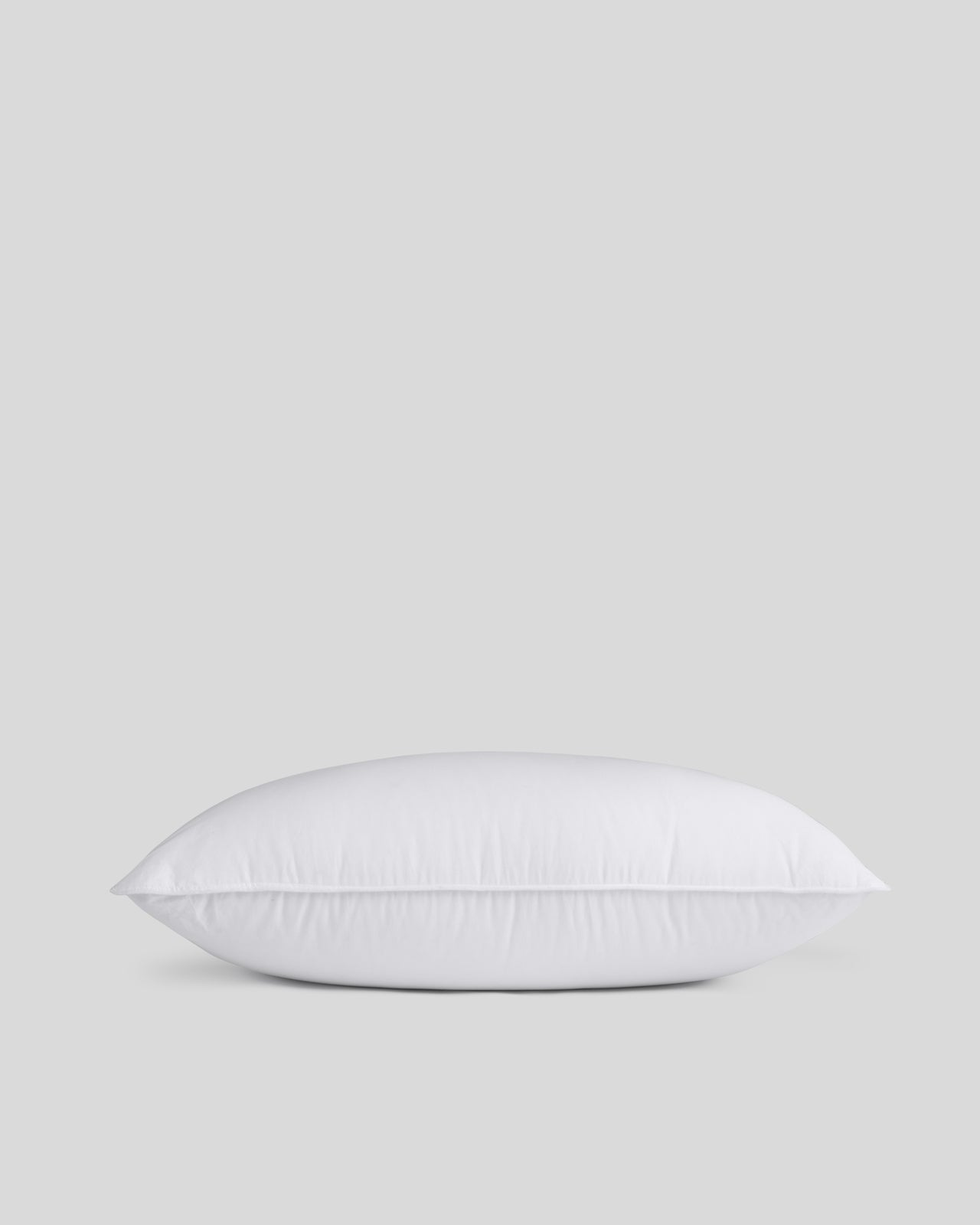
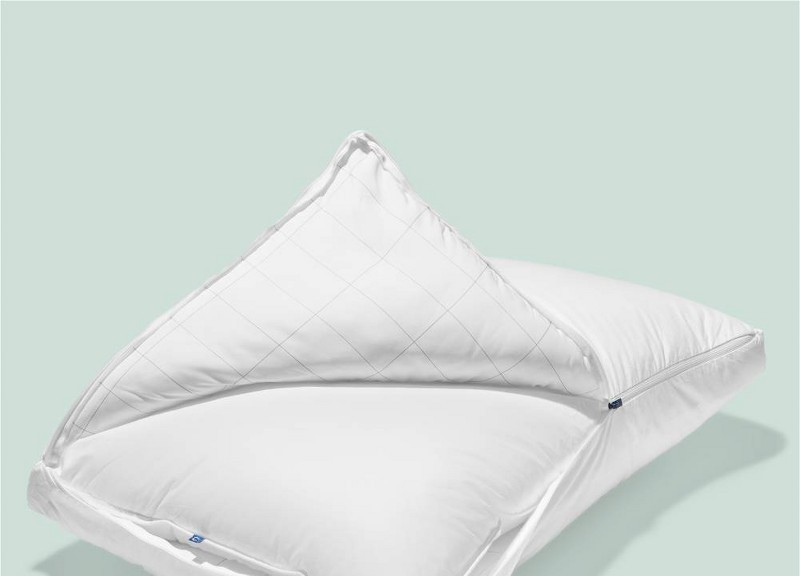
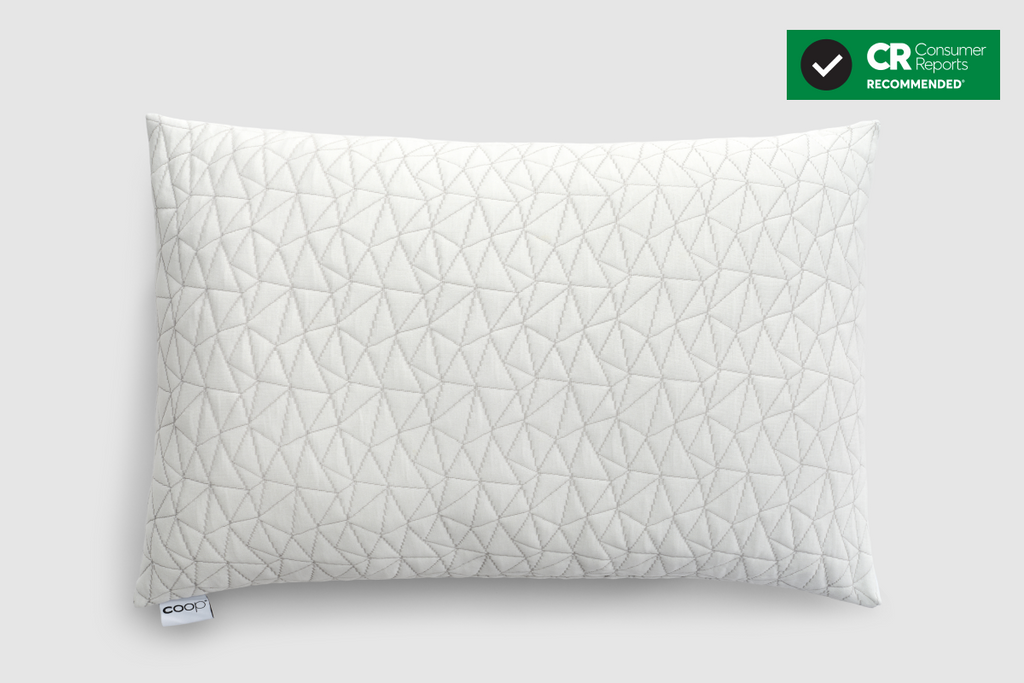
FAQ
Is down or down alternative better?
Down lasts longer, breathes better, and feels loftier; down alternative is cheaper, fully machine-washable, and animal-free. Choose down for longevity and cooling, down alternative for price and easy care.
Is down alternative good for side sleepers?
Not on its own. It compresses under the weight of your head and loses the loft side sleepers need. Shredded memory foam or latex is a better fit.
Does down make allergies worse?
Usually not by itself — dust mites in an aging pillow are the more common trigger. A zippered protector and regular washing help either fill.
Why is down more expensive?
Down is a limited natural material graded by fill power and cluster size, and higher grades cost more to source, clean, and certify.
Keep reading
Find the Right Pillow for Your Sleep Style
Get a tailored shortlist based on sleep position, shoulder fit, desired loft and materials using our free Pillow Finder.
Start the Free Pillow Finder →Instant recommendations, no email or signup required. We may earn commissions on some buying links.
Affiliate disclosure: Mr. Squish may earn a commission when you buy through links on this page. Recommendations are based on independent product research; any hands-on test is labelled separately. Learn more.