
How to Pick a Pillow for Shoulder Pain
If you wake with a deep ache in the shoulder you were lying on, or with a dead, tingling arm, the pillow under your head is doing less work than it should. On your side, the distance from your ear to the point of your shoulder has to be filled by the pillow. When it isn't, your head sags, the shoulder gets compressed into the mattress and carries load for eight hours, and the small tendons around the joint stay pinched. Fixing it is mostly a matter of loft and shape — and it usually works within a week or two.
In this guide
Why side sleeping hurts your shoulder
Two mechanisms cause most sleep-related shoulder pain. The first is direct compression: your body weight presses the head of the humerus up into the socket, squeezing the rotator cuff tendons and the bursa that sits above them. That is what produces the deep, dull ache. The second is nerve and vascular pressure — the arm folded under you loses circulation and the brachial plexus gets compressed, which is what makes the arm go numb or buzz.
A well-chosen pillow reduces both. Filling the neck gap keeps your torso from rolling further onto the joint, and giving the shoulder somewhere to sit means it is not wedged upward toward your ear.
The three things to get right
In order of importance for shoulder pain specifically:
- Loft — high enough that your nose stays centered over your chest. Most side sleepers with shoulder pain need 5 to 6 inches; broad shoulders need 6 to 7.
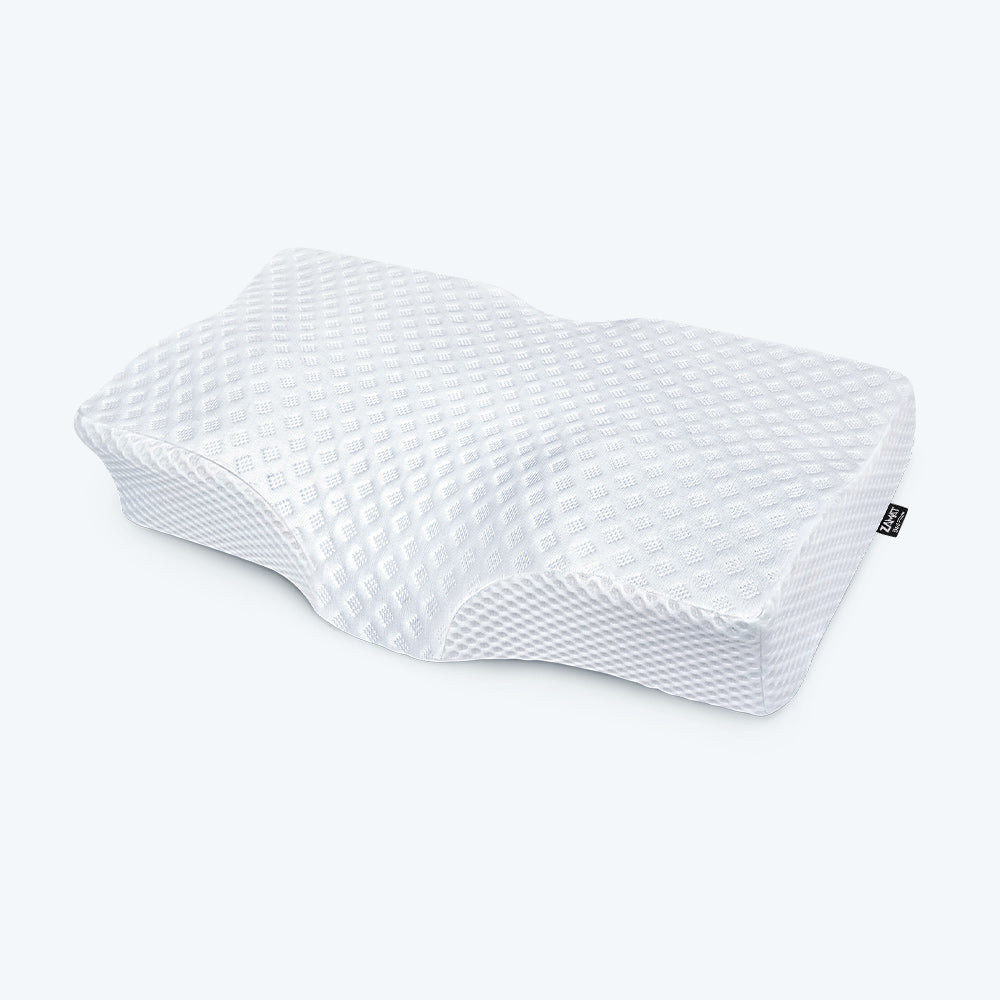
- Shape — a shoulder notch or cut-out lets the joint slide into the pillow rather than being pushed under it. Cube-style side pillows do the same job with vertical walls.
- Firmness — medium-firm. Too soft and the loft collapses within an hour, dropping you back into compression; too firm and you get a pressure point on the ear and jaw.
Add a body or hugging pillow
A full-length body pillow held in front of you does something a head pillow cannot: it stops your upper torso rotating forward onto the shoulder, and it gives your top arm somewhere to rest so its weight is not dragging on the joint you are lying on. Many people with rotator-cuff irritation get more relief from adding a body pillow than from changing their head pillow.
If a body pillow is too much bed real estate, a folded standard pillow hugged against your chest works nearly as well.
If your arm goes numb
Numbness is a positioning problem more than a support problem. Do not sleep with your arm tucked under the pillow or under your head — that folds the shoulder into internal rotation and compresses the nerves. Instead, bring the bottom arm forward and slightly out in front of your body, palm up, and rest the top arm on a hugging pillow. Raise your head pillow at the same time: a taller pillow reduces how much you roll onto the arm.
Other positions worth trying
Back sleeping takes the shoulder out of load entirely, and it is the position most physical therapists suggest during a flare-up. Use a medium-loft contoured pillow so your chin does not tip forward, and place a thin pillow or folded towel under the affected elbow to keep the arm from falling outward, which stretches the front of the joint.
Avoid stomach sleeping with your arm overhead — that combination of rotation and abduction is one of the most reliable ways to wake up with an impinged shoulder.
How long a new pillow should take to help
Give a new pillow one to two weeks. There is often a short adjustment period where a taller loft feels strange, and shredded fill needs a few nights to break in. If the ache is unchanged after two weeks, adjust loft first — half an inch at a time if the pillow is adjustable — before you conclude the pillow is wrong. Pain that wakes you every night, that radiates below the elbow, or that persists during the day is worth taking to a clinician; a pillow can remove a provocation, but it cannot treat a tear.
Pillows we recommend for this

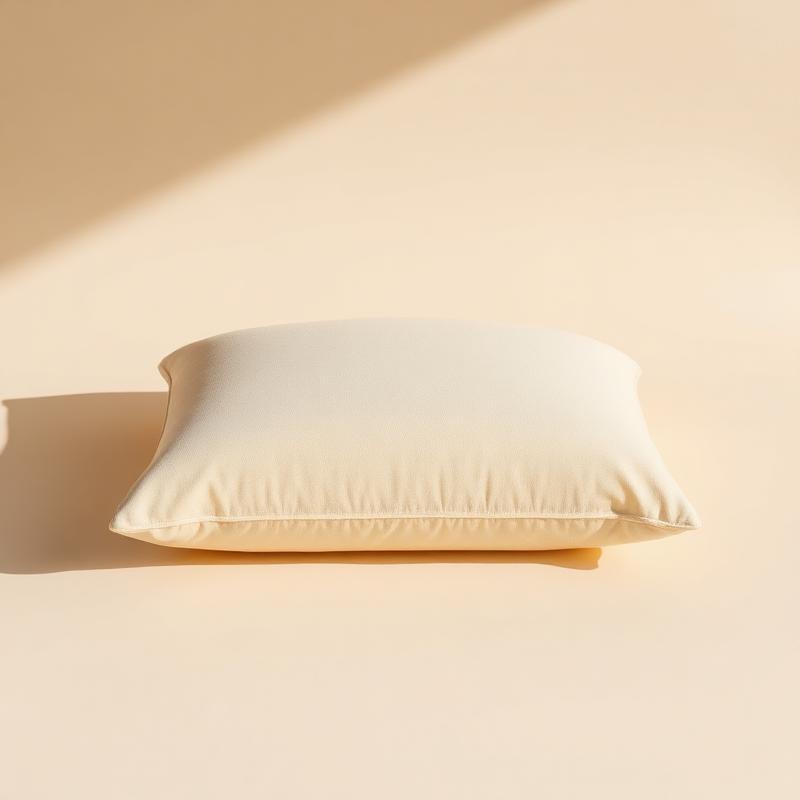
HoneyDew Scrumptious Side Pillow
Side sleepers who want a plush feel that still holds loft
FAQ
Get the Mr. Squish Pillow Cheat Sheet
A simple guide to choosing the right pillow based on your sleep position, body size, and comfort preferences.
No spam. Unsubscribe anytime.
Affiliate disclosure: Mr. Squish may earn a commission when you buy through links on this page. Recommendations come from hands-on testing. Learn more.