
Best Pillows for Shoulder Pain
Shoulder pain from sleeping is usually a geometry problem, not a mattress problem. When you lie on your side, your shoulder carries the weight your pillow should be carrying: if the pillow is too flat your head drops and your shoulder gets jammed up under your ear, and if the pillow is rectangular and dense there is nowhere for the shoulder joint to sit. The fix is a pillow tall enough to fill the ear-to-shoulder gap, with either a cut-out notch or a soft edge the shoulder can tuck into. Every pick below was selected from published dimensions, fill construction, and owner feedback about shoulder clearance, sustained loft, and arm comfort. Mr. Squish has not physically tested these products.
This shortlist combines product research with named firsthand experience on the individual reviews that document it. It is not a comparative sleep trial or a measured performance ranking. See how we test pillows
Quick picks
Shortlist order is editorial, not a ranking of measured performance. Compare each option’s fit, construction, price, and return terms before choosing.
| Pillow | Best for | Construction | |
|---|---|---|---|
| HoneyDew Scrumptious Side Pillow | Side sleepers who want a plush feel that still holds loft | Shredded Memory Foam | Review |
| ZAMAT Original Cervical Pillow | Side sleepers with morning neck stiffness | Contour Memory Foam | Review |
| Pillow Cube Side Cube Original | Dedicated side sleepers with shoulder gap issues | Memory Foam | Review |
| Coop Home Goods Original | Side and back sleepers who want to dial in loft | Shredded Memory Foam | Review |
| Cushion Lab Deep Sleep Pillow | Back and side sleepers who want ergonomic contouring with a soft cover | Contour Memory Foam | Review |
| Saatva Latex Pillow | Back and side sleepers who want bouncy, cool support | Latex | Review |
| Elviros FlutterShape Cervical Pillow | Side sleepers who switch to their back mid-night | Contour Memory Foam | Review |
| Coop Home Goods Body Pillow | Side sleepers, pregnancy, and hip alignment | Shredded Memory Foam | Review |
| MedCline Reflux Relief System | Acid reflux and GERD sufferers who sleep on their left side | Wedge + Body Pillow | Review |
We may earn a commission from purchase links. Prices vary by size and seller; check current terms. Affiliate disclosure
HoneyDew Scrumptious Side Pillow

A tall shredded copper-infused foam pillow with a scooped shoulder cut-out and a removable, adjustable fill bag. Plush on contact, surprisingly supportive underneath.
Verified specs: Shredded copper-infused memory foam, adjustable fill · Tall — roughly 6–7 in as shipped, adjustable down loft · medium feel · adjustable fill · 60 nights trial · 3 years warranty.
Research pick — based on manufacturer specifications and our research.
ZAMAT Original Cervical Pillow
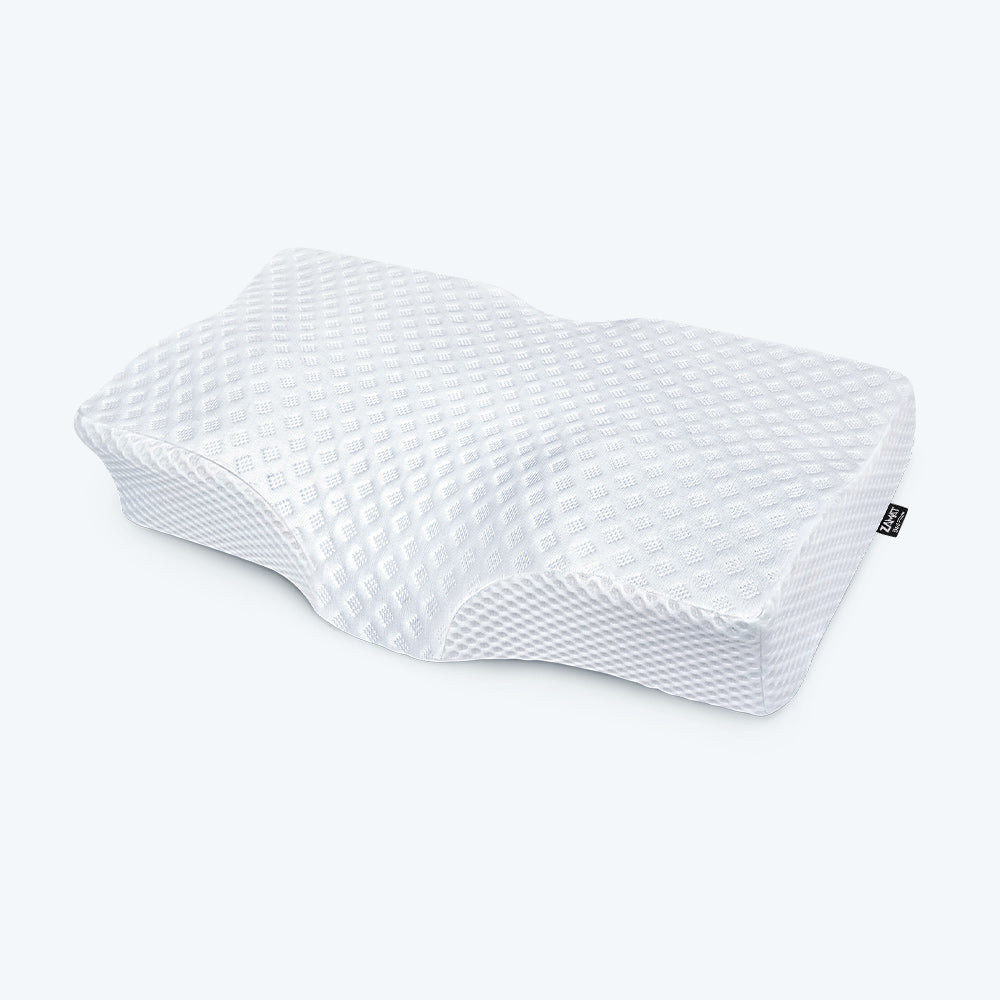
A contoured cervical pillow with an adjustable insert and a shoulder-notch design that is intended to accommodate side sleepers’ shoulders; fit depends on loft and mattress sink.
Verified specs: Contoured memory foam with removable height insert fill · Adjustable via insert, roughly 3.5–5 in loft · medium feel · adjustable fill · 100 nights trial · 10 years warranty.
Research pick — based on manufacturer specifications and our research.
Pillow Cube Side Cube Original
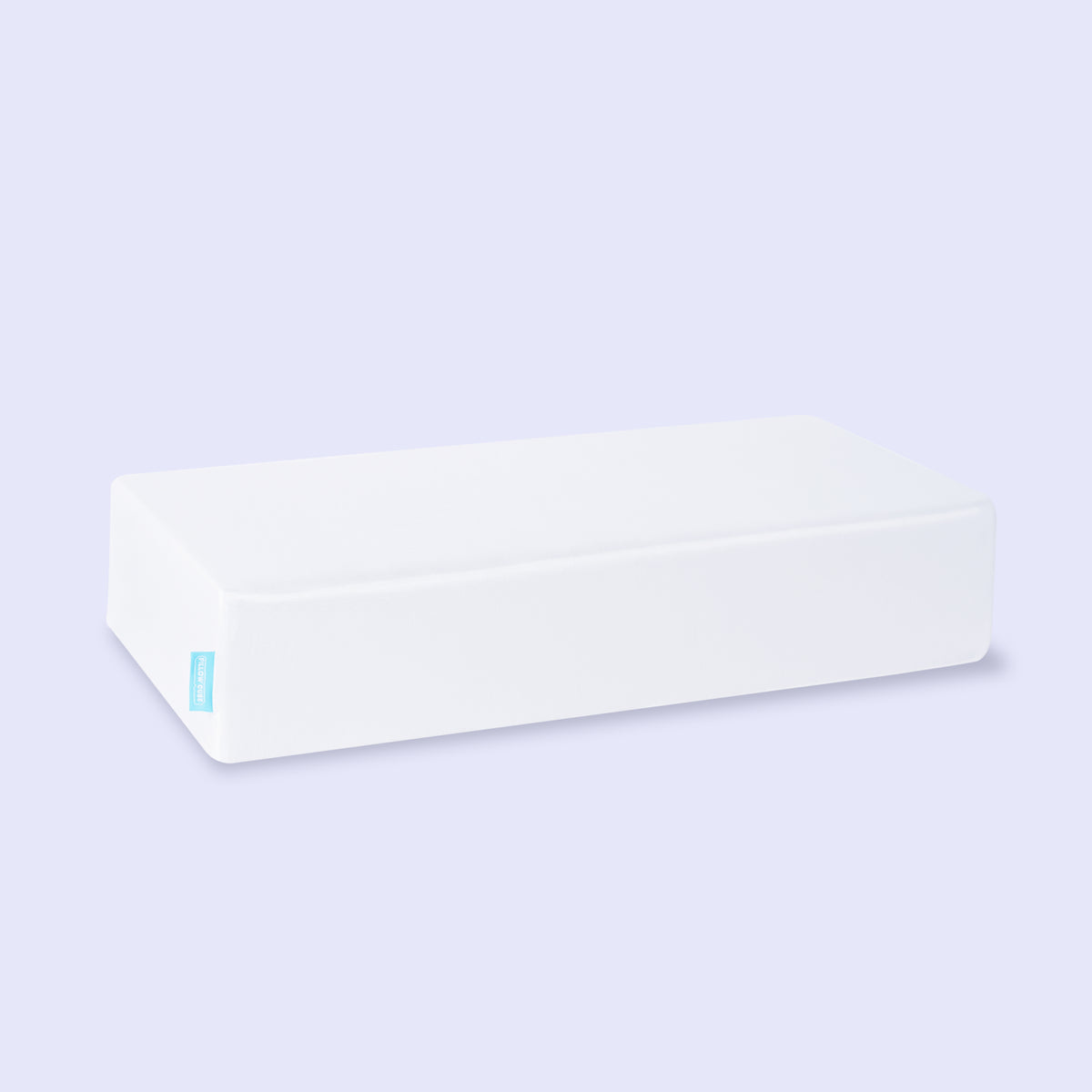
A cube-shaped memory foam pillow engineered to fill the shoulder-to-ear gap and support alignment when the height matches your body and mattress.
Verified specs: Solid memory foam block fill · Choose 4, 5 or 6 in by shoulder width loft · firm feel · 60 nights trial · 3 years warranty.
Research pick — based on manufacturer specifications and our research.
Coop Home Goods Original
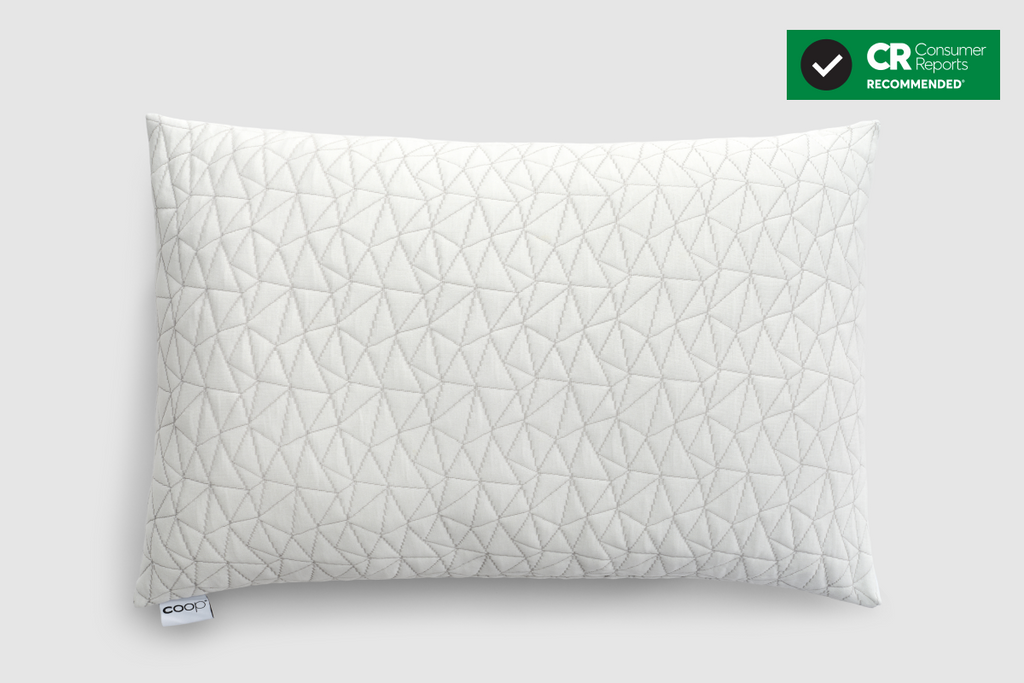
An adjustable memory-foam-and-microfiber pillow. Ben Trapskin contributes firsthand Coop experience; product specifications are documented separately.
Firsthand contributor: Ben Trapskin has firsthand experience with Coop and contributes that experience to this review.
Firsthand contributor: Ben Trapskin; product facts checked separately.
Cushion Lab Deep Sleep Pillow
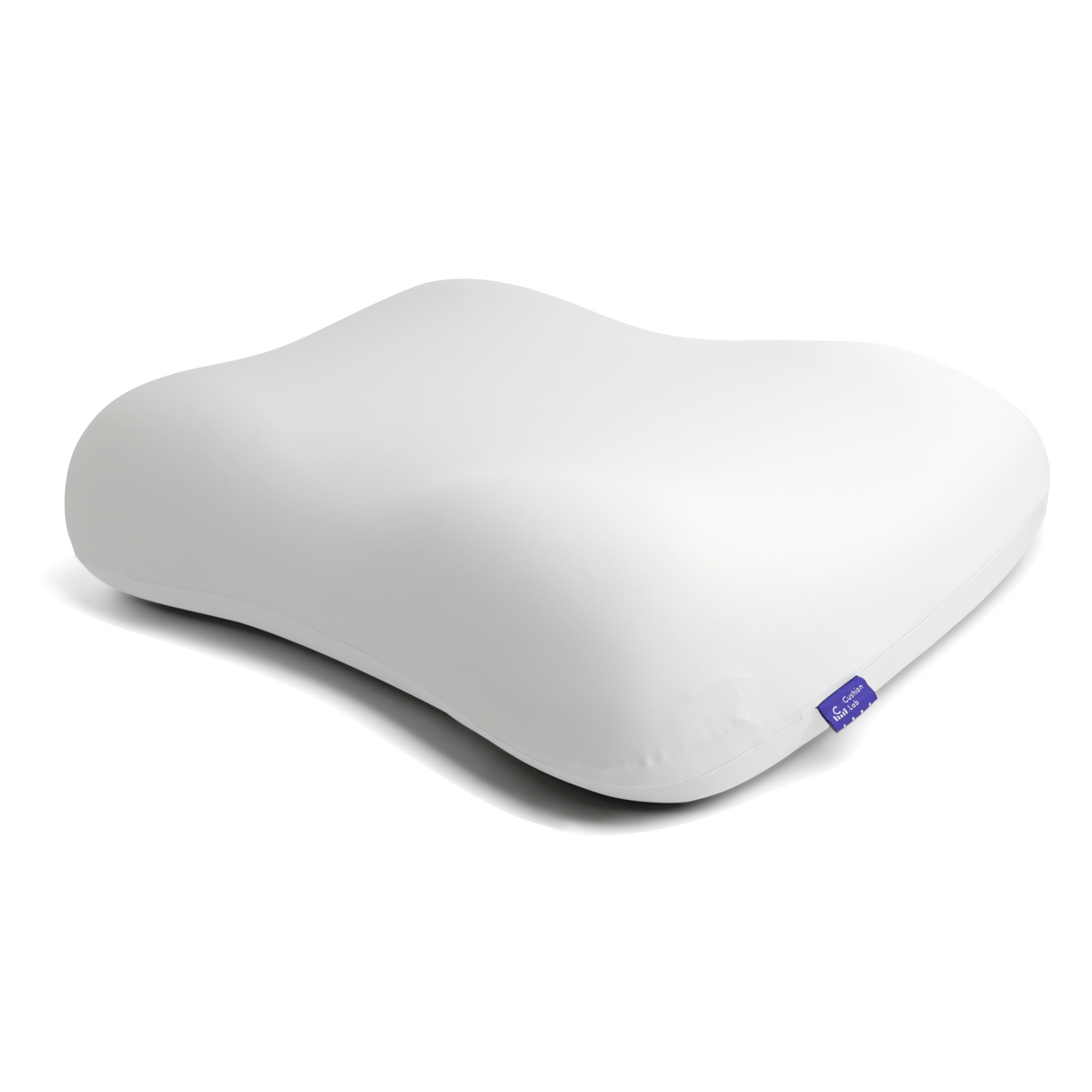
A sculpted memory foam pillow designed by in-house ergonomists, with a contoured center for back sleeping and raised side bolsters for side sleeping, wrapped in a dual-layer washable cover.
Verified specs: One-piece molded memory foam fill · Scooped center with raised side bolsters loft · medium feel · 30 nights trial · 1 year warranty.
Research pick — based on manufacturer specifications and our research.
Saatva Latex Pillow
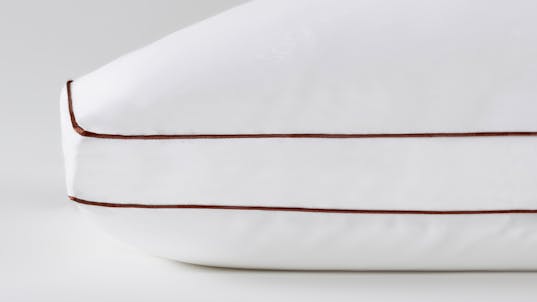
A shredded latex core inside a fiber outer pillow and cotton cover, with preset loft choices rather than loose-fill tuning.
Verified specs: Shredded natural latex core with microdenier fiber outer fill fill · Standard roughly 4–5 inches; High roughly 6–7 inches loft · medium feel · 45 nights trial · 1 year warranty.
Research pick — based on manufacturer specifications and our research.
Elviros FlutterShape Cervical Pillow
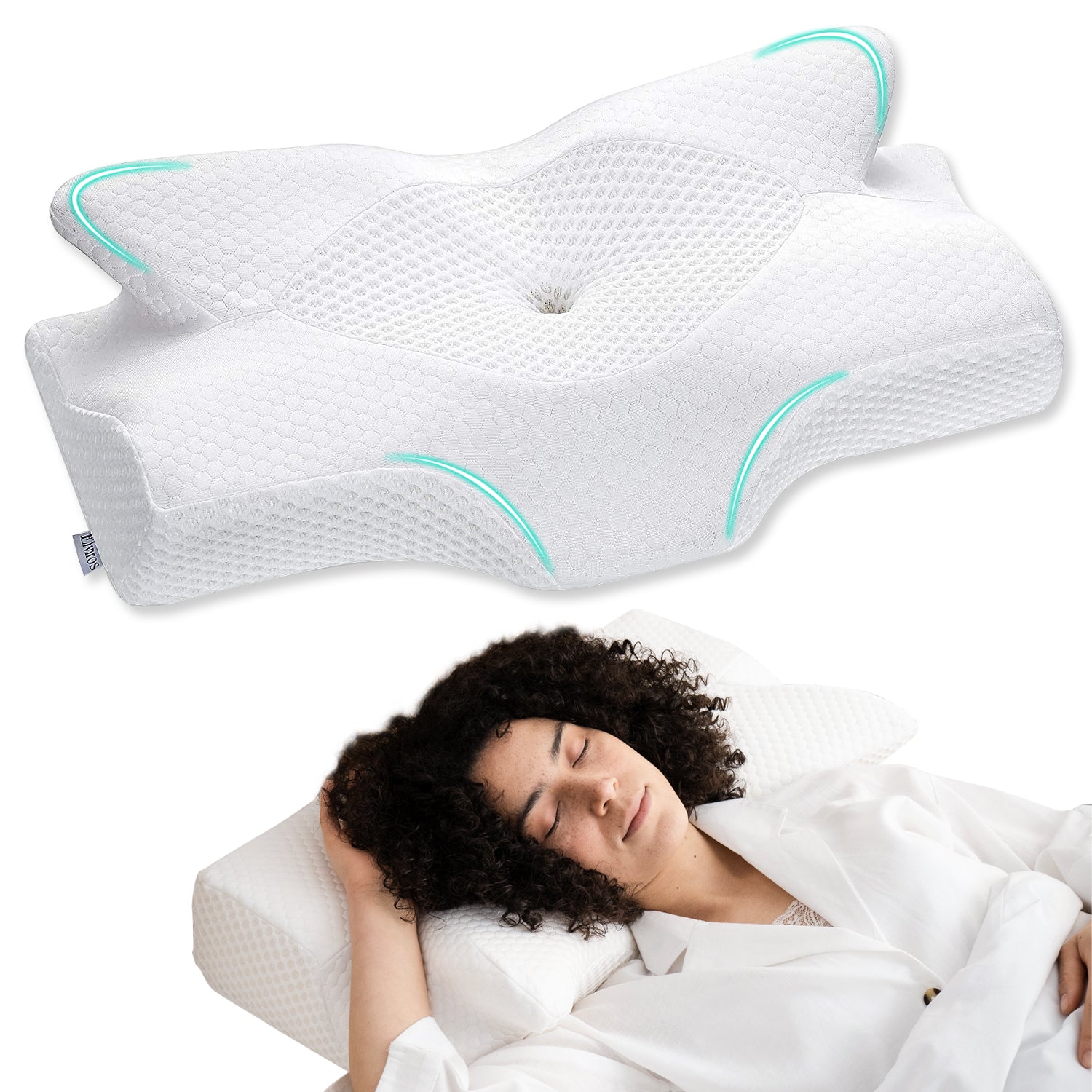
A butterfly-shaped cervical pillow with arm cut-outs and a higher side channel — built for combination sleepers who need neck relief.
Verified specs: Contoured memory foam fill · Contoured, roughly 3.5–5 in across zones loft · medium feel · adjustable fill · Retailer dependent trial · 1 year warranty.
Research pick — based on manufacturer specifications and our research.
Coop Home Goods Body Pillow
A long adjustable shredded-foam bolster you hug and tuck between your knees. It stops your top hip from rolling forward, which is the quiet cause of a lot of side-sleeper back pain.
Verified specs: Cross-cut shredded memory foam + microfiber fill · Adjustable firmness via fill loft · medium feel · adjustable fill · 100 nights trial · 5 years warranty.
Research pick — based on manufacturer specifications and our research.
MedCline Reflux Relief System
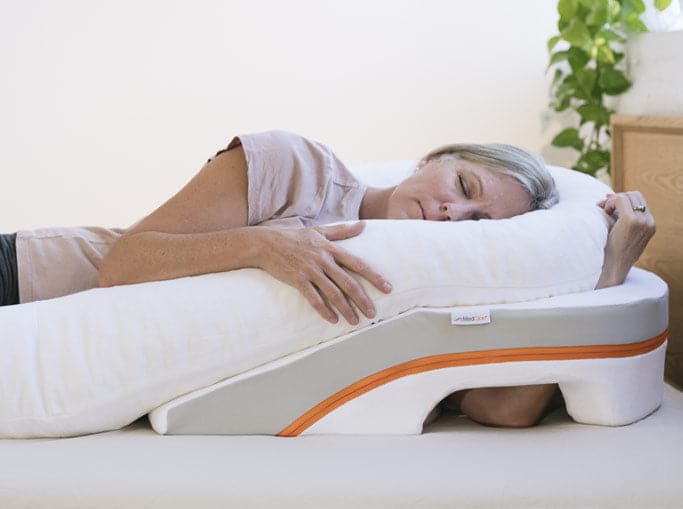
A patented arm-pocket wedge plus body pillow that holds you at an incline on your left side all night — the position clinical research links to the biggest drop in night-time reflux.
Verified specs: Wedge + Body Pillow fill · firm feel · 100 nights trial · 3 years warranty.
Research pick — based on manufacturer specifications and our research.
Ready to give it a squish?
Start with the first option in this shortlist, then compare its fit and trade-offs with the alternatives.
Buying guide
Create shoulder clearance
Adequate loft or a shoulder cutout can reduce the tendency to bunch the shoulder toward the ear.
Avoid bottoming out
The fill needs enough resilience to support the head after it compresses under weight.
Check the mattress too
A very firm sleep surface can increase pressure at the shoulder even when pillow height is appropriate.
The pillow only solves part of shoulder pain
Shoulder pain while sleeping usually comes from pressure on the joint you lie on, not from the head pillow directly. Body weight compresses the rotator cuff tendons and the space above them against the mattress. A head pillow can help by keeping the neck aligned so the shoulder is not dragged forward, but it cannot remove the load on the joint.
That is why the strongest combination is usually a correctly lofted head pillow plus something that unloads the joint: a softer top layer under the shoulder, a body pillow to hug so the top arm stops rolling across the chest, or a shoulder cut-out pillow that lets the shoulder tuck into a recess instead of being propped up.
Shapes that take pressure off the joint
Cut-out and ergonomic shapes add a notch along the lower edge so the shoulder slides under the pillow rather than sitting on it. On paper this increases effective loft for the head while reducing the wedge effect on the shoulder. Fit is narrow: the cut-out has to align with your shoulder width to do anything at all.
Body and side-hugging pillows work differently. Holding a pillow keeps the upper arm supported in front of the chest, which stops the shoulder from internally rotating and collapsing forward through the night. Owners frequently report this as the change that made side sleeping tolerable again, and it is one of the cheapest adjustments to test.
Firmness, loft, and what to avoid
Under-lofting is the more common mistake. When the head drops, the neck bends toward the downside shoulder and the muscles across the top of the shoulder take the strain. Aim for the loft that keeps the head level, then adjust feel rather than height.
Very firm, non-yielding fills can concentrate pressure at one point on the shoulder if you end up partially resting on the pillow's edge. Responsive materials such as latex and denser shredded foam hold height without that hard edge, and adjustable fills let you soften the area nearest the shoulder.
Side sleepers with shoulder pain: why side sleeping loads the shoulder twice
On your side, your shoulder is doing two jobs at once: it supports part of your torso weight against the mattress, and it defines the gap your pillow has to fill. When that gap goes unfilled, your head drops and your neck bends sideways, which pulls on the muscles running into the shoulder. When the pillow is too tall, your head is pushed up and the shoulder is jammed underneath it. Either error concentrates load on a joint that may already be the sore one.
The second mechanism is the top arm. Let it hang forward across your chest and it drags the shoulder blade and joint forward with it for hours. Side sleepers with shoulder pain frequently report that this top-arm drag, not the downside pressure, is what wakes them. That is why body pillows appear in a shoulder-pain guide: hugging one parks the top arm in a supported position.
Side sleepers with shoulder pain: what to look for
Exact-fit loft matters more here than in almost any other use case, so adjustable fills earn their place: you can remove fill until the downside shoulder stops being pushed upward, without dropping your head support. Shapes with a curved edge or shoulder notch let the joint tuck under the pillow instead of stacking on top of it, which is why contoured cervical pillows recur in shoulder-pain owner reports.
Check published loft ranges rather than marketing labels. For an average build, side sleeping wants roughly four to six inches measured compressed, and your mattress matters: a soft mattress lets the shoulder sink, shrinking the gap and the loft you need, while a firm mattress does the opposite.
Side sleepers with shoulder pain: what a pillow can and cannot do for shoulder pain
A correctly fitted pillow reduces the mechanical load the shoulder carries overnight, and many people notice a real difference within days. It does not treat the underlying cause. Rotator cuff injuries, frozen shoulder, bursitis, and arthritis have their own treatment paths, and night pain is often the symptom that finally gets people to a clinician.
Treat persistent pain, pain after an injury, weakness, or loss of range of motion as a medical question, not a shopping one. A pillow is positioning equipment that works alongside treatment, not instead of it.
Rotator cuff pain: why rotator cuff pain peaks at night
Night pain is one of the defining features of rotator cuff problems, and the mechanics of lying down explain much of it. On the affected side, body weight compresses the joint directly. On the opposite side, the affected arm tends to fall forward across the body, rotating the shoulder inward and stretching the irritated tendons for hours. On your back, an unsupported arm lets the shoulder drop backward.
So the bedding job is twofold: stop compressing the joint, and give the arm somewhere to rest so the shoulder is neither dragged forward nor left hanging. Head-pillow loft still matters, because a neck bent sideways pulls on the muscles feeding into the shoulder.
Rotator cuff pain: what to look for
A body pillow is the highest-value item here. Hugged in side lying it holds the top arm in a supported, neutral position; placed alongside you in back lying it stops the arm rolling outward or dropping. Many people find this does more for night pain than changing the head pillow at all.
For the head pillow, adjustable loft lets you fill the shoulder gap exactly, which keeps the neck straight without jamming the joint up under your ear. If elevation eases your pain — some people find a semi-reclined position much more tolerable — a long wedge is worth adding. Contoured cervical shapes with a shoulder notch let the joint tuck under rather than stack.
Rotator cuff pain: treat the shoulder too
Positioning reduces overnight load; it does not repair a tendon. Rotator cuff tendinopathy and tears are managed with physiotherapy, load management, and sometimes injection or surgery, and night pain is often the symptom that prompts people to seek care.
Weakness, inability to lift the arm, pain after a fall, or steadily worsening pain should be assessed. Use better bedding as support alongside treatment, not as a substitute for it.
Frozen shoulder: a stiffness problem, not just a pressure problem
Frozen shoulder — adhesive capsulitis — involves a thickened, contracted joint capsule, so the limiting factor is loss of motion as much as pain. That changes what a good sleeping setup looks like: positions that pull the arm toward end range, particularly internal rotation with the arm across the body, are typically the most provocative, and the capsule does not tolerate being held there for hours.
Pain is usually worst at night and in the freezing phase, and it wakes people repeatedly. The equipment goal is to keep the arm in a comfortable mid-range position with support underneath it, rather than letting gravity take it to whichever end range is worst.
Frozen shoulder: what to look for
A body pillow or a firm cushion under the forearm is the core of it. In side lying on the unaffected side, resting the affected arm on a body pillow keeps it from crossing the chest into internal rotation. Lying on your back, a pillow under the upper arm and forearm stops the shoulder dropping backward into extension.
Add a long wedge if a semi-reclined position is more tolerable, which many people in the painful phase report. For the head pillow, prioritise loft you can adjust so the neck stays neutral and you are not unconsciously hitching the shoulder up to compensate. Supportive, shape-holding fills beat plush ones here because the arm support has to stay where you put it.
Frozen shoulder: alongside proper treatment
Frozen shoulder follows a long course and is managed with physiotherapy, pain control, and sometimes injection or a procedure. Sleeping position and supports make the nights more bearable and can reduce provocation; they do not change the capsule.
If your shoulder is losing range, if pain is severe, or if you are unsure whether stiffness is capsulitis or something else, get it assessed — diagnosis matters because the treatment paths differ. Nothing here is medical advice.
Compare another fit
More core pillow guides
Narrow your shortlist
Head-to-head comparisons
FAQ
Which sleeping position is best for shoulder pain?
Most guidance suggests avoiding the painful shoulder: sleep on the other side with a pillow hugged in front of you, or on your back with a thin pillow supporting the upper arm.
Do shoulder cut-out pillows work?
They can, when the notch matches your shoulder width, because the shoulder tucks into the recess instead of being propped up. The design is unusually fit-dependent, so buy with a real return window.
Will a softer mattress help more than a new pillow?
Often yes for shoulder pain specifically, since the shoulder needs somewhere to sink. A mattress topper is a much cheaper way to test that theory than a new mattress.
Can a pillow fix a rotator cuff problem?
No. Bedding can reduce night-time aggravation, but persistent shoulder pain, weakness, or pain lifting the arm needs assessment by a clinician.
Do you physically test these pillows?
Not yet. Every pick here is assessed from published specifications, construction, policies, and owner-report patterns, and labelled as research.
Should I sleep on my painful shoulder or avoid it?
Most clinicians advise avoiding direct pressure on an acutely painful shoulder, but many people cannot change positions on command. If you end up on the sore side, correct loft matters most: the pillow should fill the gap fully so your neck stays straight and the shoulder is not propped up under your ear. A body pillow for the top arm reduces rotational load on the joint.
What pillow loft is best for side sleepers with shoulder pain?
Enough to fill your ear-to-mattress gap when compressed — typically four to six inches for an average build, less on a soft mattress, more for broad shoulders. Because the right height is individual, an adjustable pillow you can tune over a week is usually the safest start.
Can the wrong pillow cause shoulder pain?
It can contribute. A pillow that is too low lets the head drop, straining the muscles running into the shoulder; one that is too high jams the shoulder up under the ear. But pillow fit is only one factor — daytime posture, training load, and underlying joint conditions all feed into night pain.
Is a firmer or softer pillow better for shoulder pain?
Neither label decides it; fit does. What matters is that the pillow holds your head at the correct height all night without collapsing. Very soft pillows can bottom out under side-sleeper loads, which is why dense adjustable fills and contoured foam are common picks despite sounding less comfortable.
How should I sleep with rotator cuff pain?
Most people do best off the affected side, either semi-reclined or on the opposite side hugging a body pillow so the sore arm is supported rather than falling across the chest. Keep the head pillow height correct so the neck stays straight.
Does a body pillow help rotator cuff pain?
It is one of the most consistently reported helps, because it stops the top arm dragging the shoulder forward and holds it in a neutral, supported position for hours.
Is elevation or a wedge useful for shoulder pain?
Many people find a semi-reclined position noticeably easier than lying flat, and a long wedge is the stable way to hold it. It is also the arrangement commonly used after shoulder surgery.
Keep reading
Affiliate disclosure: Mr. Squish may earn a commission when you buy through links on this page. Affiliate relationships never determine our recommendations — see how we test.