
Pillow Cube Side Cube vs ZAMAT Original Cervical Pillow
Compared from manufacturer specifications and our research — neither pillow has been hands-on tested yet · See how Mr. Squish tests pillows
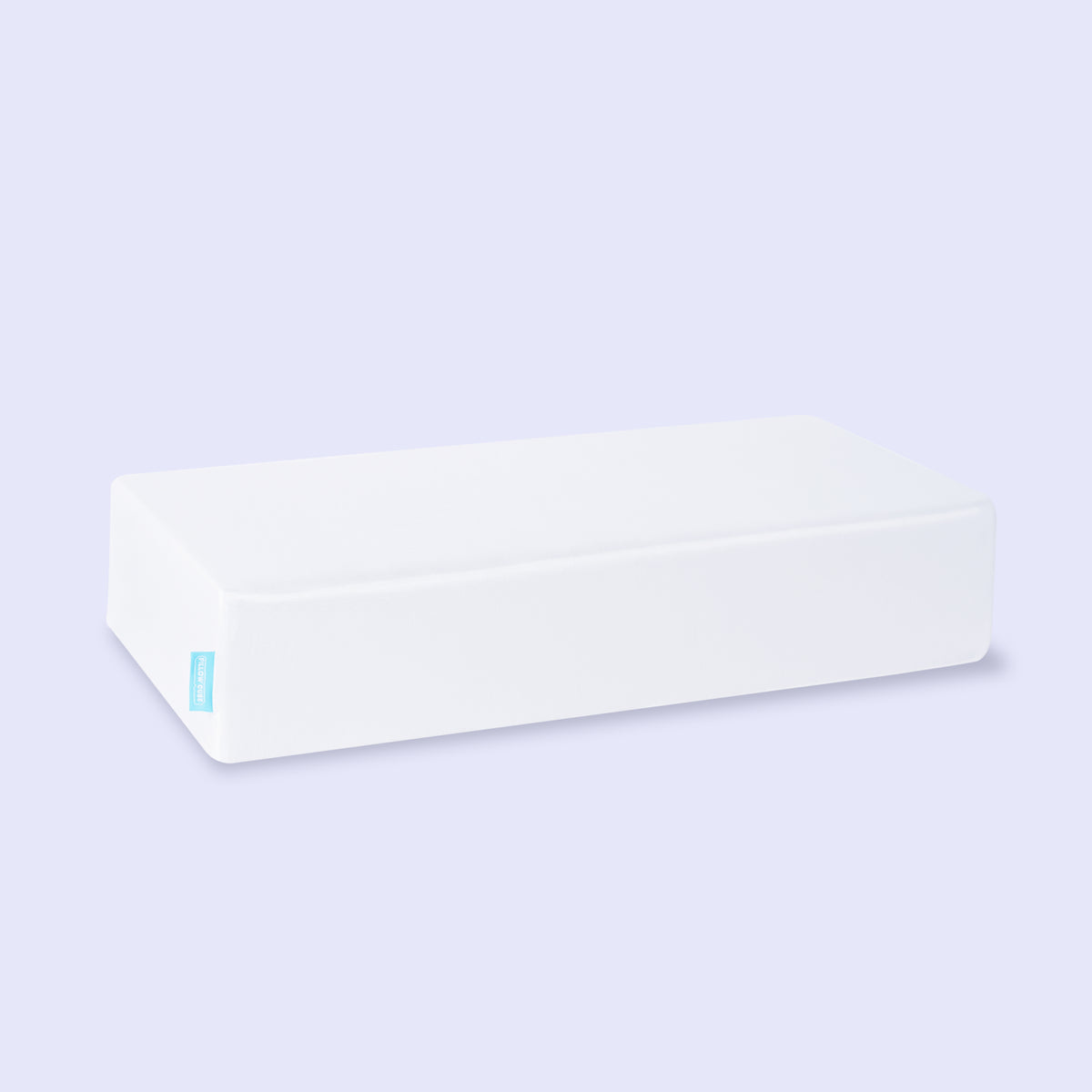
Pillow Cube Side Cube Original
Pillow Cube · Memory Foam · Firm
Choose it if: Choose the Pillow Cube Side Cube if you sleep strictly on your side, have broad shoulders and a large ear-to-shoulder gap, like a firm unyielding pillow, and are willing to spend a couple of weeks adapting.
Main trade-off: You regularly roll onto your back or need to remove fill.
Manufacturer specificationsListed from $99; check size and current offer
Read the full review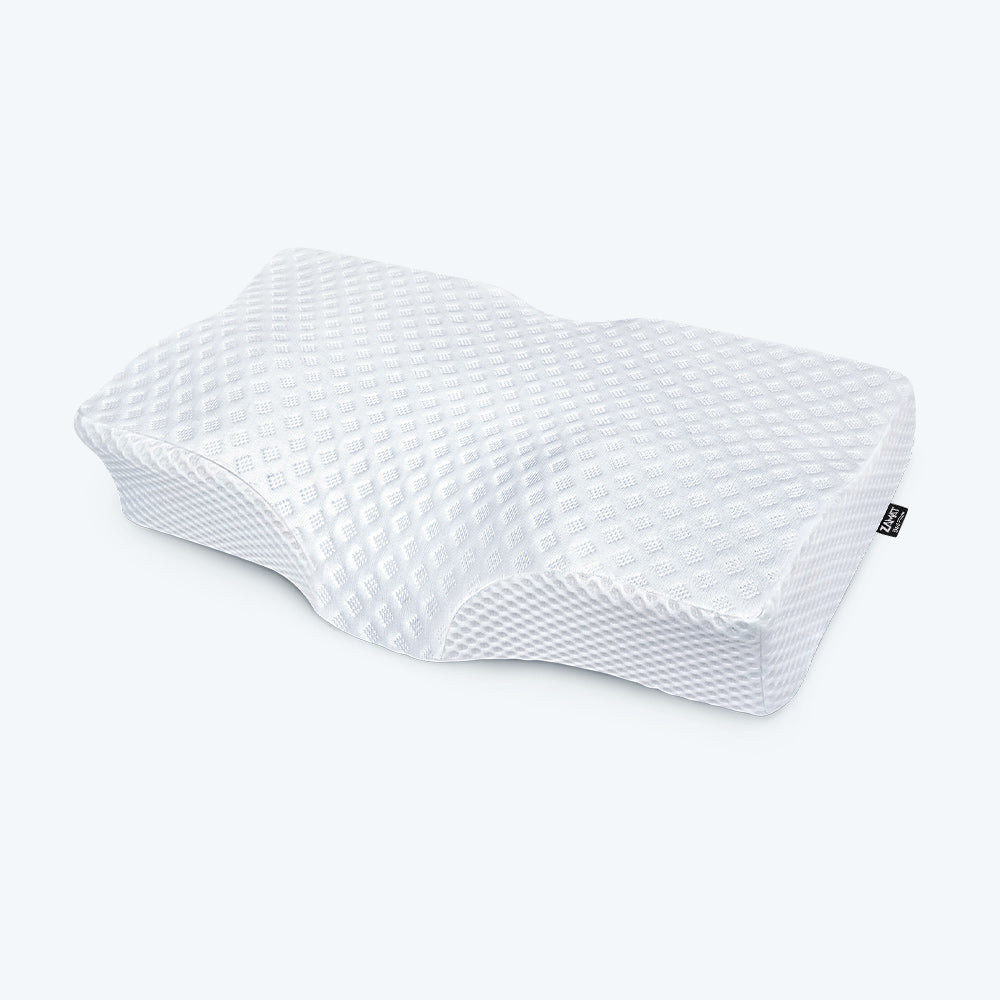
ZAMAT Original Cervical Pillow
ZAMAT · Contour Memory Foam · Medium
Choose it if: Choose the ZAMAT Original Cervical Pillow if you want cervical support with less risk — adjustable height, a friendlier feel, a shoulder notch, and proper back-sleeping support for the nights you roll over.
Main trade-off: You need very fine height adjustments or a flat, unshaped surface.
Manufacturer specificationsListed from $70; check size and current offer
Read the full reviewThese two pillows are chasing the same sleeper — someone who sleeps on their side and keeps waking up with a sore neck — and they take opposite approaches. The Pillow Cube Side Cube is a squared block of firm memory foam sized to the exact distance between your ear and your shoulder. The ZAMAT Original is a traditional contoured cervical pillow with a shoulder notch, a raised neck lip, and a removable insert that lets you change the height.
The Cube is a specialist. The ZAMAT is a specialist that will also tolerate you rolling onto your back. That distinction drives most of the decision.
Side by side
| Pillow Cube Side Cube Original | ZAMAT Original Cervical Pillow | |
|---|---|---|
| Shape | Squared cube, flat top and vertical sides | Contoured with neck lip and shoulder notch |
| Fill | Firm memory foam | Contour memory foam + removable insert |
| Firmness | Firm | Medium |
| Loft | Fixed by size chosen (4, 5 or 6 in) | Adjustable via insert |
| Adjustable | No — you pick a height at purchase | Yes |
| Back sleeping | Poor — too tall and too flat | Good — the contour supports the neck curve |
| Cooling | Good | Good |
| Learning curve | Significant — takes a week or two | Mild |
| Price | $99 | $70 |
The shoulder gap problem, solved two ways
When you lie on your side, your shoulder holds your head four to six inches off the mattress and a normal pillow collapses into that gap. The Cube's answer is brute geometry: vertical sides that do not compress, so the space between your ear and your shoulder is filled by a solid block that stays exactly as tall as advertised all night.
The ZAMAT's answer is a notch. The lower cut-out section gives your shoulder somewhere to sit, while the raised lip supports the neck curve and the higher contour holds your head. It is less absolute than the Cube but far more forgiving if your body does not match the measurements you ordered.
Feel and adjustment
The Cube feels strange at first and nobody should pretend otherwise. It is firm, it does not cradle, and there is no soft landing — it simply holds your head level. Most people need one to two weeks to adapt, and a meaningful minority never do. Crucially, you choose your height at checkout, so if you guessed wrong the only fix is an exchange.
The ZAMAT is easier from night one. The medium contour foam gives a little, the shoulder notch is intuitive, and the removable insert means you can lower the loft if you wake up feeling propped or leave it in if you need more height. That single feature makes it much harder to get wrong.
If you change position during the night
The Cube is designed for strict side sleeping. Roll onto your back on it and your head is pushed too far forward and your neck flexes; roll onto your stomach and it is unusable. If you are a genuine combination sleeper, this is the wrong pillow.
The ZAMAT handles side and back sleeping properly. The centre contour is lower than the outer sides, so when you roll onto your back your head settles into the dip and the neck lip picks up the curve of your cervical spine. It is the safer choice for anyone who moves.
Neck pain results
Both are designed to support alignment, but ZAMAT adds a more explicit cervical contour. Cervical support depends on the pillow holding the natural curve of your neck, and a shaped lip does that more directly than a flat top surface. The Cube keeps your spine straight, which solves alignment, but does not actively support the curve.
Where the Cube pulls ahead is broad shoulders. If your shoulder gap is genuinely large, the Cube's uncompromising height fills it in a way the ZAMAT can only approach at full insert.
Value
The ZAMAT is roughly thirty dollars cheaper and adjustable, so the risk of buying the wrong pillow is much lower. The Cube costs more and asks you to commit to a size before you have slept on it. Both are reasonable prices for a targeted cervical pillow, but the ZAMAT is the lower-risk purchase by a clear margin.
Before you choose either pillow
- Match the listed model, size, and height to the item in your cart. Similar names can refer to different products.
- Check the height while lying on your own mattress. Advertised loft is not a measurement under your head.
- Read pillow-specific return terms, including opened-product eligibility, fees, and the seller’s policy.
- Check cover and inner-fill care separately. Cooling materials do not establish all-night cooling.
Mr. Squish may earn a commission from the following price links. This does not determine our recommendations. Prices vary by size, seller, and promotion.
Ready to give it a squish?
Ready to give it a squish?
Our verdict
The ZAMAT Original Cervical Pillow is the better pick for most side sleepers with neck pain: it costs less, adjusts to fit, actively supports the neck curve, and still works when you roll onto your back. The Pillow Cube Side Cube is the more specialised tool — excellent if you are a dedicated side sleeper with a wide shoulder gap who wants an absolutely fixed, firm loft.
See the full shortlist
Best Pillows for Side Sleepers
Compare these two pillows with the other leading research picks for this category.
View the best-of guide →Related best-of guides
Related pillow comparisons
Frequently asked questions
Is the Pillow Cube worth it?
For dedicated side sleepers with broad shoulders, yes — nothing fills the ear-to-shoulder gap as reliably. For combination sleepers or anyone unsure of their loft, an adjustable cervical pillow like the ZAMAT is the smarter buy.
Can you sleep on your back on a Pillow Cube?
Not comfortably. The flat top and tall fixed height push your head forward and flex your neck. The ZAMAT's contour handles back sleeping properly.
Which is better for neck pain?
The ZAMAT. Its raised neck lip supports the natural cervical curve directly, and the removable insert lets you fine-tune height until stiffness settles.
Is the ZAMAT pillow adjustable?
Yes — it includes a removable insert so you can raise or lower the loft. Pillow Cube instead sells fixed heights you choose at purchase.
How long does it take to get used to a Pillow Cube?
Usually one to two weeks. Give it the full trial period before deciding, since the firm, flat feel is unlike a conventional pillow.