
Expect faster flattening
Synthetic fills generally lose loft sooner than quality down, so plan on a shorter lifespan.
Pillow material guide
Down alternative pillows use polyester microfiber or similar fills to imitate down loft without animal materials. They are usually cheaper and easier to wash, but they compress and need replacing more often.
Start with the fundamentals
Synthetic fills generally lose loft sooner than quality down, so plan on a shorter lifespan.
Many lines sell soft, medium, and firm versions, and side sleepers usually need the firmest.
Most are machine washable, which helps with allergen control, but confirm drying instructions.
Research shortlist
These are research picks based on manufacturer specifications, documentation, and owner-feedback patterns—not hands-on testing.
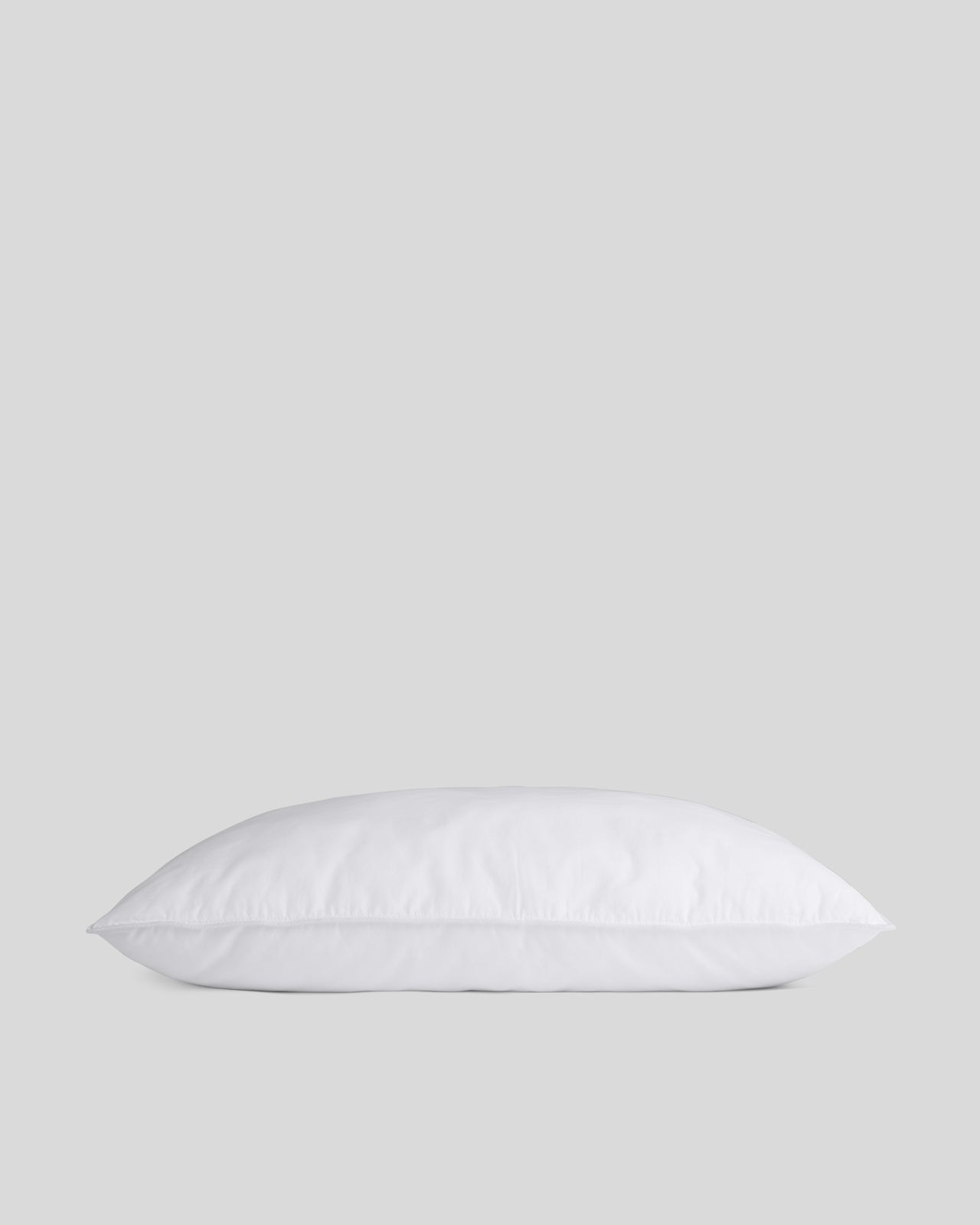
Best for: Allergy-prone sleepers who still want a plush, moldable pillow
A hypoallergenic microfiber fill that mimics the loft and squish of down without feathers, in soft, medium, and firm densities.
Read Review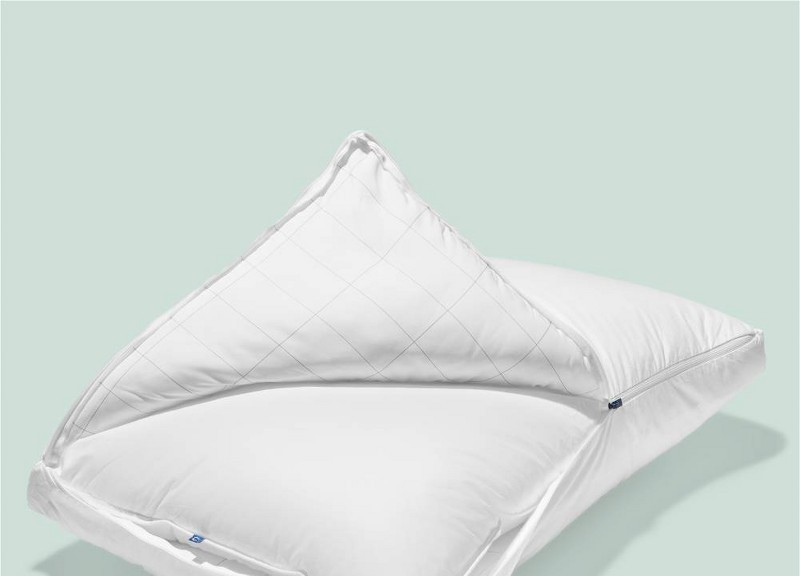
Best for: Combo sleepers who want a versatile, low-maintenance pillow
A pillow-in-pillow design — soft outer chamber for plushness, supportive inner chamber for shape retention. Easy, breezy, classic.
Read Review
Best for: Sleepers who have failed with off-the-shelf pillows
A made-to-order pillow built from a short quiz about your body, position and mattress. You get one specific loft-and-firmness combination instead of guessing between shelf options.
Read ReviewHotels usually choose medium-firm down-alternative or gel-fiber pillows they can fluff, replace often, and stack. Here’s what brands actually use and how to copy the hotel feel at home.
Wool pillows regulate temperature and resist dust mites, but they are firm and they compress. Here's how wool compares to foam, down and latex.
A protector sits under the pillowcase and blocks sweat, oils, dust mites, and allergens from reaching the pillow. When it's worth it, waterproof vs. allergen vs. cooling, and how often to wash it.