
Do I Need a Pillow Protector? What They Do and How to Choose
Between your pillow and your pillowcase there is a layer most people skip: the pillow protector. It is a zippered encasement whose job is to keep the inside of your pillow clean — and since most pillows are difficult or impossible to wash thoroughly, that job matters more than it sounds. This guide covers what a protector actually blocks, who needs one most, the difference between waterproof, allergen, and cooling versions, and how to wash it.
In this guide
The short answer
Yes, most people benefit from a pillow protector. Every night your pillow absorbs sweat, face oils, drool, and dead skin through the pillowcase — a pillow can double its weight over a few years from absorbed material and the dust mite populations that feed on it. A protector is a zippered barrier that intercepts all of it and goes in the wash instead.
They cost ten to twenty dollars each, take seconds to install, and extend the useful life of a pillow that costs five to ten times more.
What a protector actually blocks
Moisture and oils: sweat and skincare residue degrade pillow fills — especially down and shredded foam — and cause the yellow staining you see on unprotected pillows. Allergens: a tightly woven or membrane-backed protector keeps dust mites and their allergen load sealed inside the pillow and keeps new skin flakes out of their food supply. Bed bugs: a full encasement-style protector closes off one of bed bugs' favorite harborage points.
Note the direction of the allergen benefit: the protector does not stop you from shedding — it seals the pillow so the allergen reservoir never builds up inside it in the first place.
Waterproof vs. allergen vs. cooling
Waterproof protectors use a thin polyurethane membrane. They block everything liquid — the right call for kids' beds, night sweats, droolers, and anyone protecting an expensive down pillow. The trade-off is a slight crinkle and reduced breathability, though modern membranes are much quieter than older vinyl.
Allergen protectors rely on a tightly woven fabric (pore size small enough to block mites and their waste) with no membrane — more breathable, silent, and the right default for most adults. Cooling protectors add a phase-change or moisture-wicking knit face fabric for hot sleepers; they are the most expensive and the most noticeable in feel.
- Waterproof: kids, night sweats, drool, protecting down pillows
- Allergen (woven): the default for most adults — breathable and silent
- Cooling: hot sleepers willing to pay more for a cooler surface
Fit and feel
Buy the size that matches your pillow — standard/queen protectors are often combined, king is separate. A protector that is too large bunches under the pillowcase and creates lumps; too small strains the zipper. Look for a zipper with a fabric flap or internal seal over the teeth, because an exposed zipper is both a comfort issue and a gap in the allergen barrier.
A good protector is invisible in use. If you can feel or hear yours through the pillowcase, it is either too big or too cheap.
Washing and replacement
Wash protectors every one to two months, or monthly in allergy season — far less often than pillowcases, far more often than the pillow itself. Machine wash warm with mild detergent and tumble dry low; skip high heat on membrane-backed versions, which can delaminate the waterproof layer.
Replace a protector when the zipper fails, the membrane cracks, or the fabric pills through — typically every two to three years.
Pillows we recommend for this
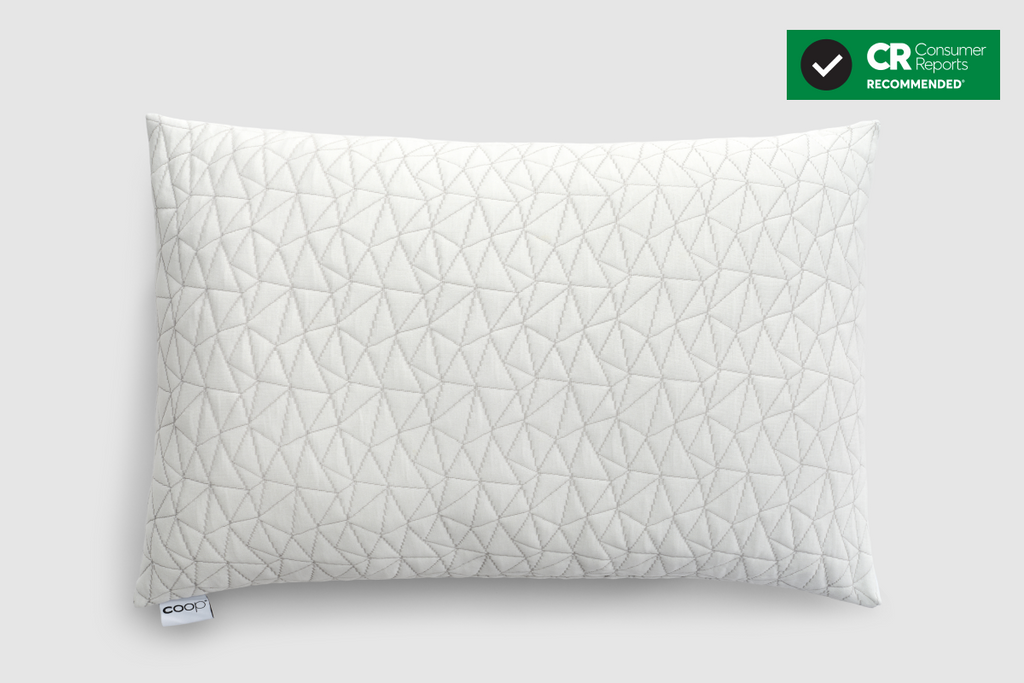
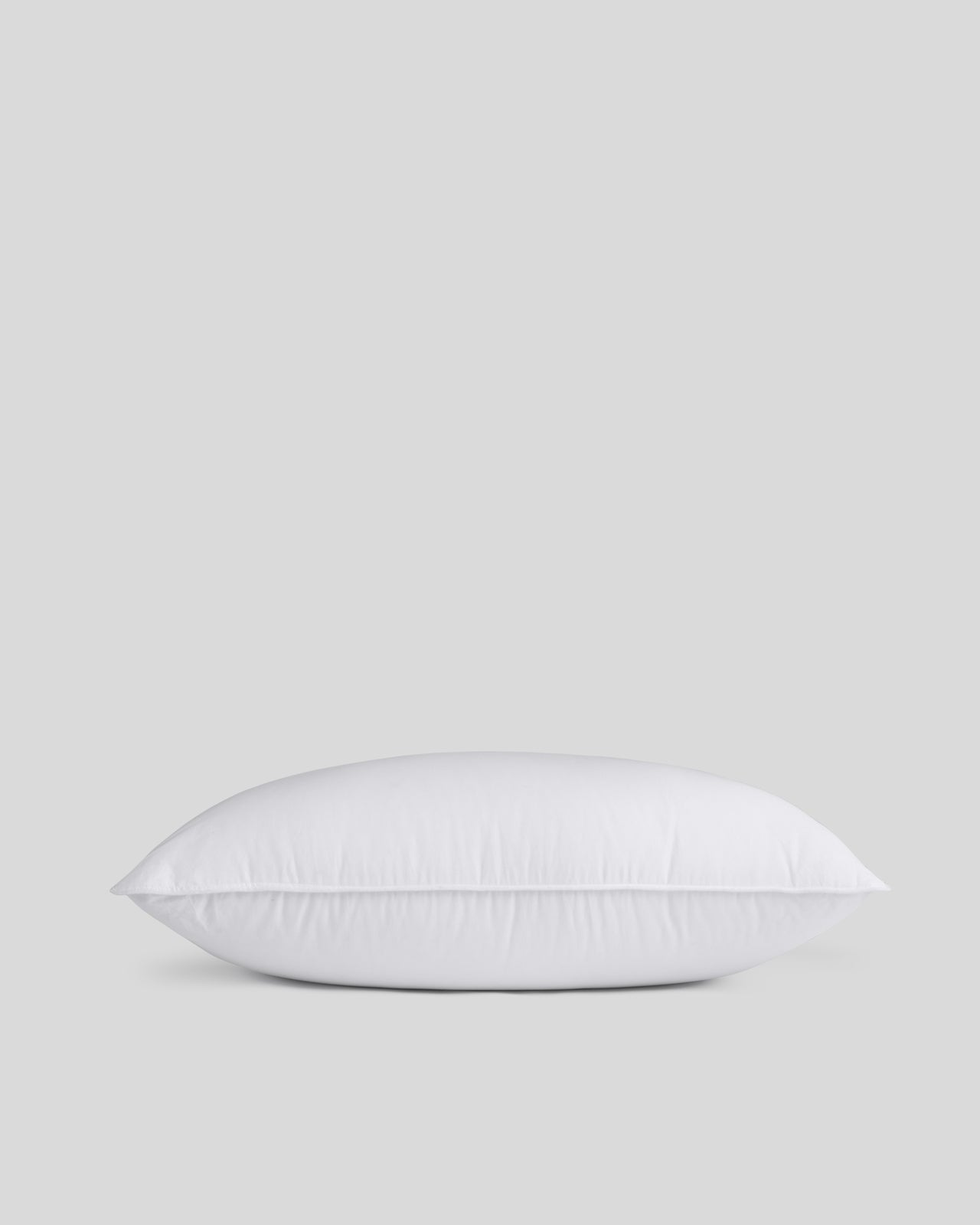
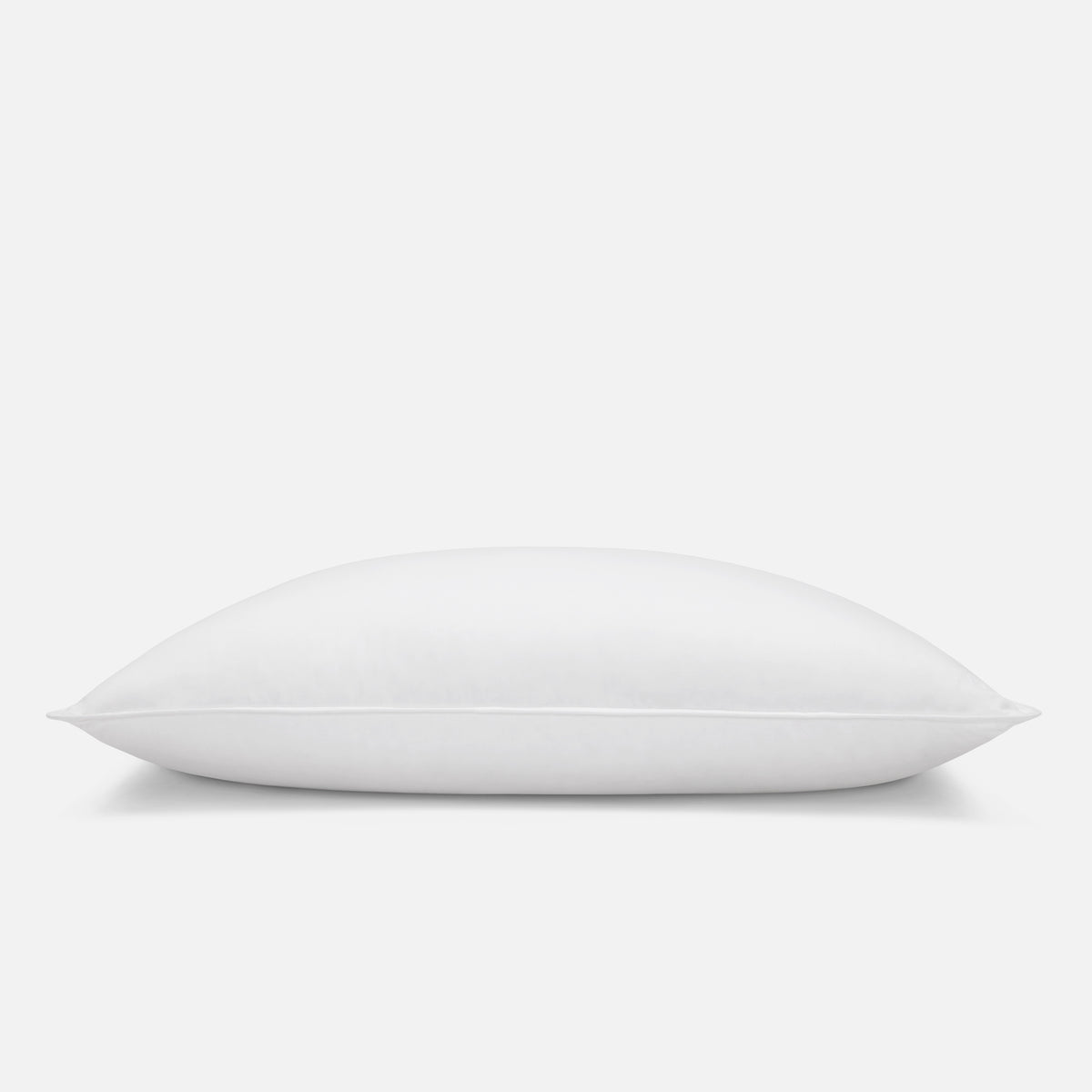
Brooklinen Down Pillow
Down shoppers comparing current Soft, Medium and Firm support choices
FAQ
Does a pillow protector replace a pillowcase?
No — they work as a stack. The protector zips around the pillow and blocks moisture and allergens; the pillowcase goes over it and is the layer you sleep on and wash weekly.
Do pillow protectors help with allergies?
Yes. A tightly woven allergen protector seals dust mites and their allergen load inside the pillow and keeps new skin flakes out, preventing the pillow from becoming an allergen reservoir.
Are waterproof pillow protectors hot to sleep on?
Older vinyl versions were. Modern polyurethane membranes are much more breathable, but woven allergen protectors remain the coolest option if you do not need liquid protection.
How often should you wash a pillow protector?
Every one to two months for most people, monthly if you have allergies. Wash warm with mild detergent and dry on low to protect waterproof membranes.
Keep reading
Find the Right Pillow for Your Sleep Style
Get a tailored shortlist based on sleep position, shoulder fit, desired loft and materials using our free Pillow Finder.
Start the Free Pillow Finder →Instant recommendations, no email or signup required. We may earn commissions on some buying links.
Affiliate disclosure: Mr. Squish may earn a commission when you buy through links on this page. Recommendations are based on independent product research; any hands-on test is labelled separately. Learn more.