
Certifications are specific
GOTS, GOLS, and OEKO-TEX cover different materials and processes, and may apply only to the cover.
Pillow material guide
Organic pillows use natural latex, wool, kapok, cotton, or buckwheat instead of synthetic foams and fibers. The important work is reading which certification covers which part of the pillow.
Start with the fundamentals
GOTS, GOLS, and OEKO-TEX cover different materials and processes, and may apply only to the cover.
Latex and wool breathe well, but loft and cover density still decide how warm a pillow sleeps.
Natural fills tend to be springier or denser than memory foam, which changes how the pillow supports you.
Research shortlist
These are research picks based on manufacturer specifications, documentation, and owner-feedback patterns—not hands-on testing.
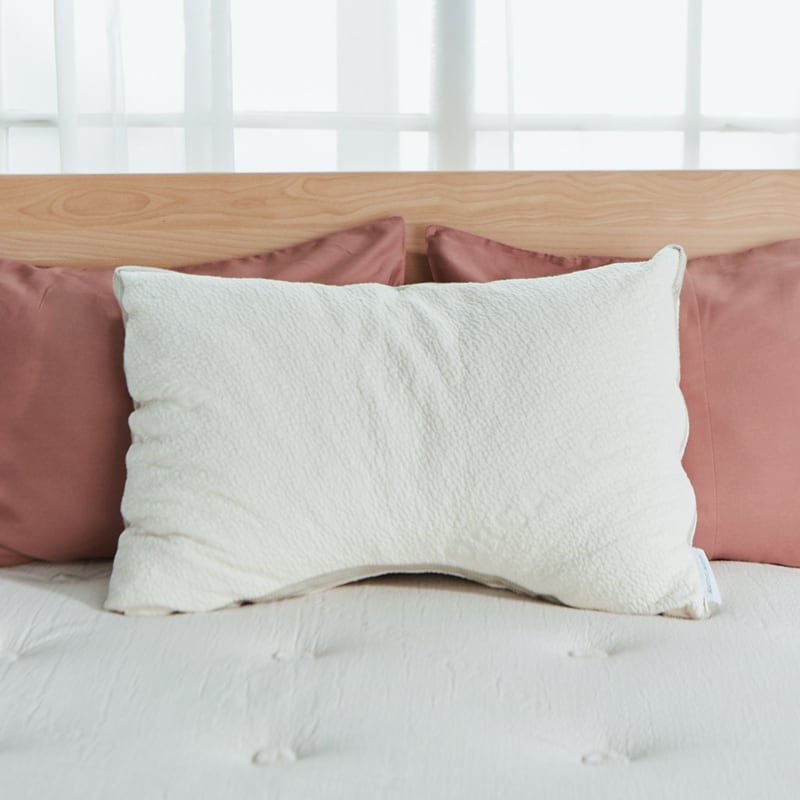
Best for: Eco-conscious sleepers who want adjustable loft
GOLS-certified shredded organic latex blended with kapok fiber inside a GOTS organic cotton cover. Adjustable and naturally cooling.
Read Review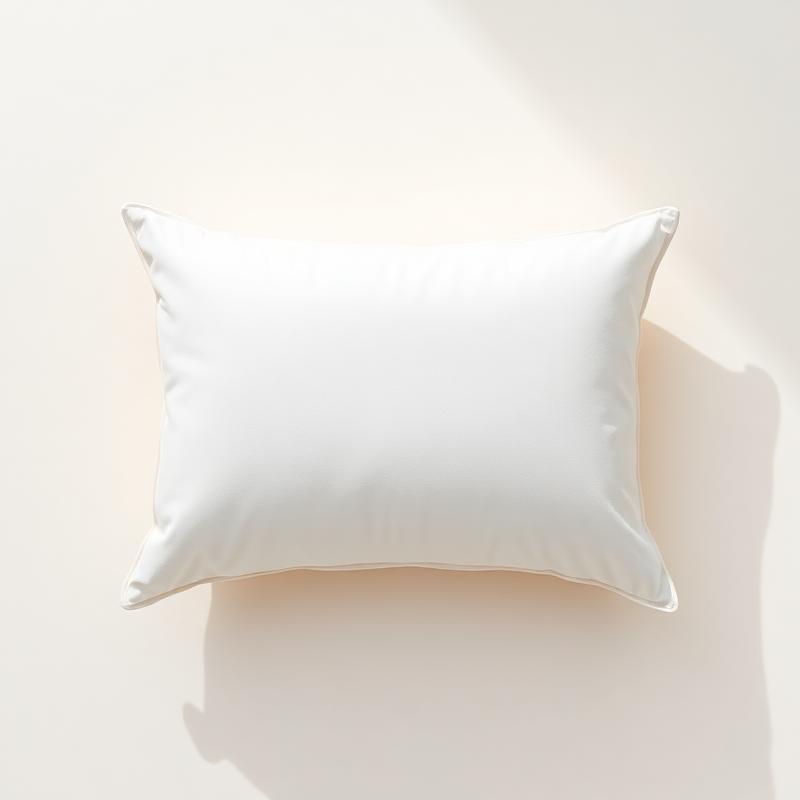
Best for: Back and side sleepers who want bouncy, cool support
A shredded Talalay latex core wrapped in an organic cotton pillow-top. Its open, responsive construction is designed for more airflow than dense memory foam.
Read Review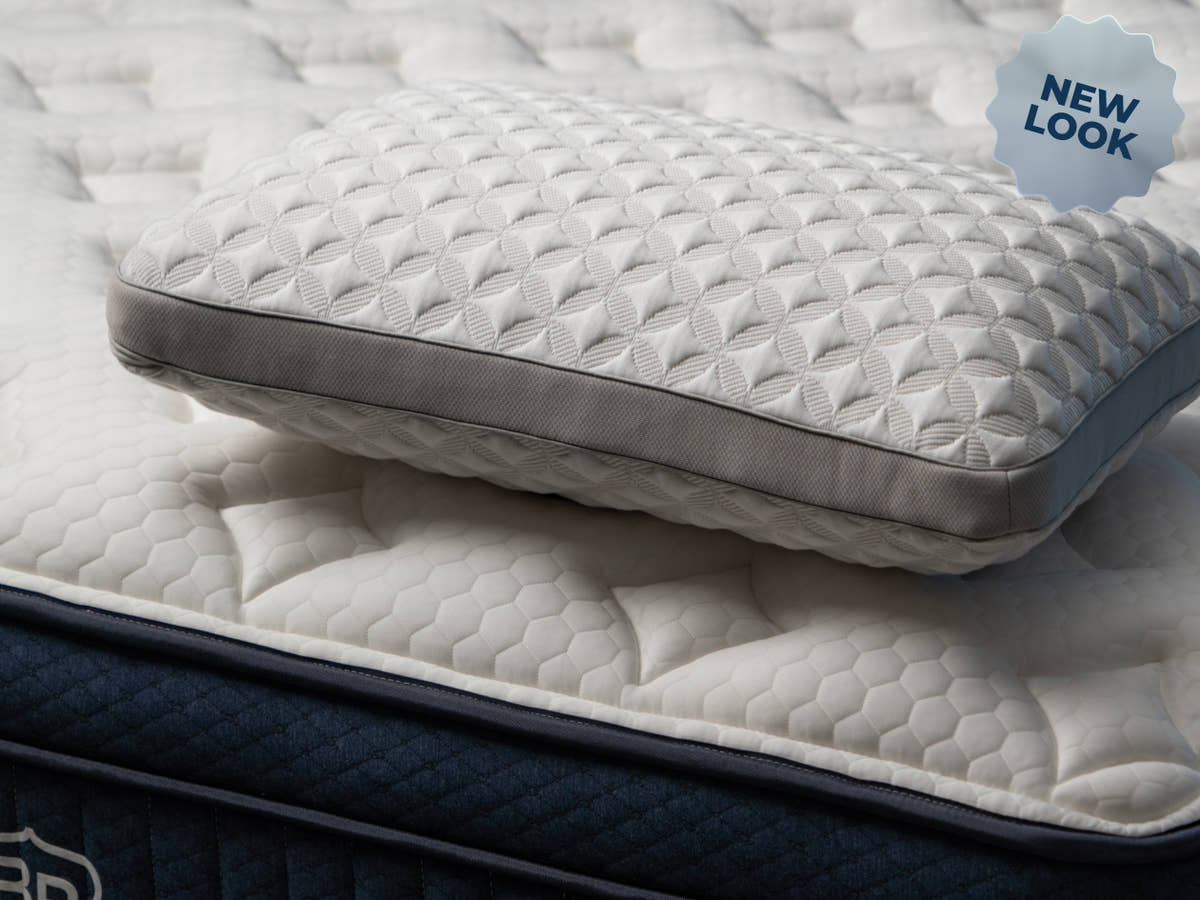
Best for: Sleepers who want natural latex bounce without a luxury price
A solid Talalay latex pillow from a factory-direct brand, offered in low (4-inch) and high (5-inch) lofts for back/stomach and side sleepers respectively.
Read ReviewGOLS, GOTS, OEKO-TEX, and CertiPUR-US do very different things. Here is what each certification covers, what it does not, and how to spot a natural-sounding pillow that is mostly polyester.
Buckwheat, latex, shredded foam, down, wool: how each pillow fill handles heat — ranked by airflow, with the trade-offs that come with each.
Kapok is a plant fibre that feels remarkably like down. Here's how kapok pillows behave, how they age, and how they compare to down and latex.