
What 'Organic' Actually Means on a Pillow Label
There is no legal definition of an 'organic pillow' in most markets. A brand can print the word on the box if the cotton in the outer cover is organic, even when the fill inside is petroleum-based polyester. The only reliable way through this is to read the certifications, because those are audited and the adjectives are not. This guide explains the four you will actually encounter and how to tell which part of the pillow each one covers.
In this guide
The four certifications that matter
Each of these covers a specific material and a specific question. None of them covers the whole pillow on its own.
- GOLS (Global Organic Latex Standard): certifies that latex is at least 95% certified organic raw material and audits the supply chain. This is the one to look for on a natural latex pillow.
- GOTS (Global Organic Textile Standard): certifies organic fibers — cotton, wool, kapok blends — in textiles, and includes processing and social criteria. Usually applies to the cover, sometimes to the fill.
- OEKO-TEX Standard 100: not an organic standard at all. It certifies that the finished textile tested free of a long list of harmful substances. Valuable, but a conventionally grown cotton cover can carry it.
- CertiPUR-US: applies only to polyurethane foam. If a pillow leads with this badge, the fill is foam, not a natural material.
How to read a natural-sounding label
Work from the fill outward. The fill is most of the pillow by volume and by weight, so a certification that only covers the cover tells you little about what you are actually sleeping on.
- Find the fill material first, stated as a percentage. 'Latex and kapok' with no split is less informative than '70% latex, 30% kapok'.
- Check which component each certification names. 'GOTS-certified cover' and 'GOTS-certified pillow' are different claims.
- Treat 'natural', 'eco', 'green', 'plant-based', and 'non-toxic' as marketing until a named certification backs them.
- 'Blended latex' means natural and synthetic latex mixed together — common, fine in itself, but it is not an organic product.
- Bamboo covers are almost always viscose rayon chemically processed from bamboo pulp. Breathable and pleasant, but not an organic fiber in the GOTS sense.
Which natural fill suits which sleeper
Once you have filtered for genuine certifications, the choice comes down to fit rather than virtue.
- Side sleepers: solid natural latex or a firmly packed buckwheat pillow, both of which hold high loft under head weight.
- Back sleepers: a medium latex pillow, or a buckwheat pillow with some hulls removed.
- Stomach sleepers: kapok or a lightly filled down pillow, since almost every natural latex pillow is too tall.
- Hot sleepers: buckwheat first, latex second — kapok and down are the warmest natural fills.
- Allergy sufferers: latex and buckwheat are inhospitable to dust mites, but latex is a no for anyone with a latex allergy.
Pillows we recommend for this
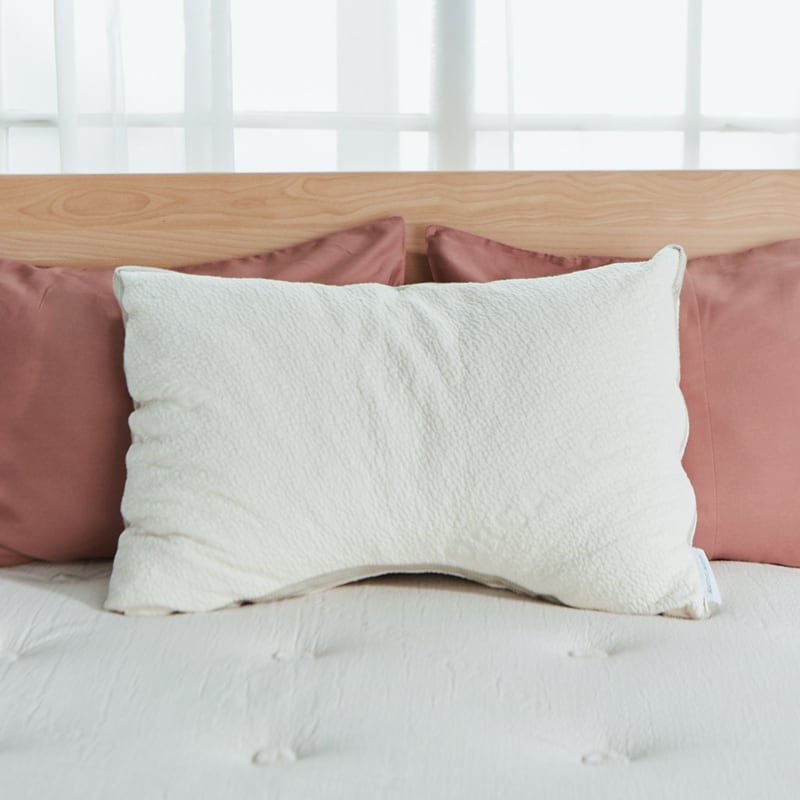
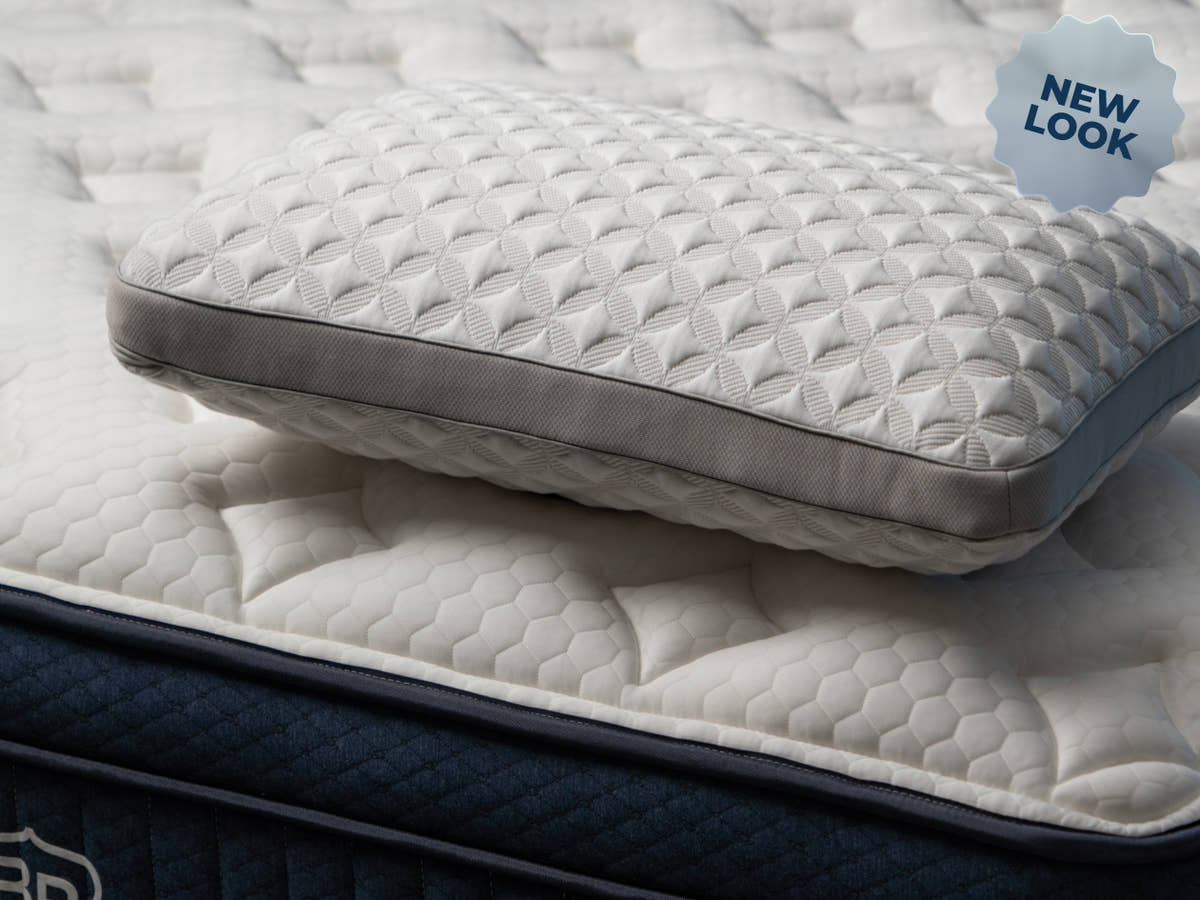
Brooklyn Bedding Talalay Latex Pillow
Sleepers who want natural latex bounce without a luxury price

PineTales Buckwheat Pillow — Signature Edition
Buckwheat fans who want a premium, Japanese-sized sobakawa
FAQ
Is there such a thing as a 100% organic pillow?
Yes, but it is rare, and it means every component — fill, cover, and thread — is certified. Most pillows marketed as organic are certified on one component. Check whether the certification names the fill or only the cover.
Is OEKO-TEX the same as organic?
No. OEKO-TEX Standard 100 tests a finished textile for harmful substances. It says nothing about how the fiber was grown, so conventionally farmed cotton can be OEKO-TEX certified.
Are latex pillows natural?
Natural latex is tapped from rubber trees, so yes — but many latex pillows are blended with synthetic latex or are entirely synthetic. Look for '100% natural latex' plus a GOLS certification if organic sourcing matters to you.
Is bamboo an organic material?
The bamboo plant grows easily without pesticides, but turning it into fabric is a chemical viscose process. A bamboo-cover pillow is comfortable and breathable; it is not an organic textile unless separately certified.
Keep reading
Find the Right Pillow for Your Sleep Style
Get a tailored shortlist based on sleep position, shoulder fit, desired loft and materials using our free Pillow Finder.
Start the Free Pillow Finder →Instant recommendations, no email or signup required. We may earn commissions on some buying links.
Affiliate disclosure: Mr. Squish may earn a commission when you buy through links on this page. Recommendations are based on independent product research; any hands-on test is labelled separately. Learn more.