
What Is a Wedge Pillow Good For?
A wedge pillow is a simple triangle of foam, and it gets marketed as a fix for an implausibly long list of problems. Some of those claims are well supported, some are plausible but thin, and a few are wishful. Here is what elevation actually does, sorted by how much confidence the evidence deserves.
In this guide
Acid reflux and GERD — the strongest case
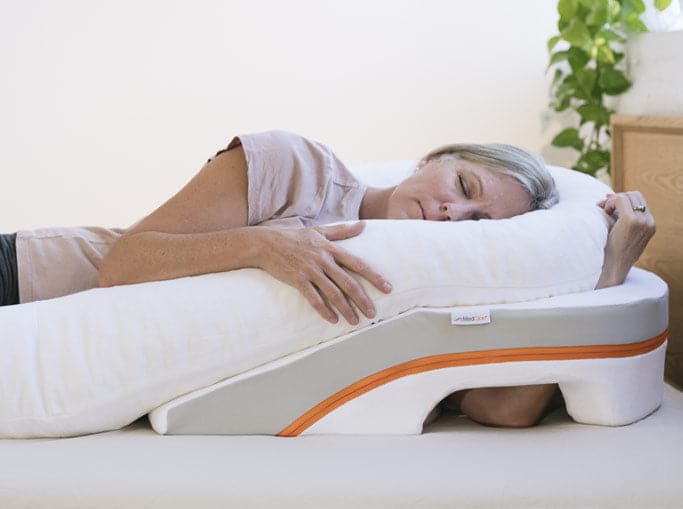
This is the use with the best support behind it. Stomach acid moves by gravity, and lying flat removes the only thing keeping it below the oesophagus. Elevating the head of the bed is a standard first-line lifestyle recommendation in reflux guidance, alongside not eating late and sleeping on the left side.
The important detail is that propping your head on extra pillows does not work — it bends you at the neck, not at the waist, and can actually increase abdominal pressure. A wedge elevates the whole torso from the hips up, which is what the recommendation actually means.
- Combine elevation with left-side sleeping; the stomach's shape makes the left side the better side for reflux.
- Give it two to three weeks before judging — reflux symptoms fluctuate night to night.
- A wedge manages symptoms; it does not treat the underlying cause. Persistent reflux needs a doctor, not a pillow.
Snoring and breathing at night
Snoring happens when relaxed tissue at the back of the throat vibrates in a narrowed airway, and lying flat on your back is the position most likely to narrow it. A modest incline keeps the tongue and soft palate from falling straight back, and for positional snorers that is often enough to reduce the noise noticeably.
Sleep apnea is a different matter. A wedge may reduce the number of events for some people with positional apnea, but it is not a treatment and it does not replace CPAP. If you snore heavily, gasp, or wake unrefreshed, get tested rather than shopping.
Congestion, sinus pressure, and coughing
Elevation helps sinuses drain instead of pooling, which is why a cold feels worse the moment you lie down. A 7-inch wedge is usually plenty and is genuinely useful during a cold, allergy season, or after sinus surgery. This is a comfort benefit rather than a cure, but it is a real one and it is cheap.
Recovery after surgery
Shoulder, cardiac, and some abdominal and cosmetic procedures come with instructions to sleep inclined, both to reduce swelling and because getting in and out of a flat bed strains a healing site. Wedges are common hospital-discharge advice for exactly this reason.
Follow the angle your surgeon specifies. This is one case where the medical instruction outranks comfort preference, and where a wider, firmer wedge is worth the money because you will be in it for weeks.
Leg elevation, swelling, and circulation
Flipped around and placed under the calves, a wedge raises the legs above heart level, which helps with fluid pooling, tired legs after a day standing, and post-exercise recovery. It also takes pressure off the lower back for some back sleepers by reducing the arch in the lumbar spine.
- Support the calves, not the heels — a single pressure point under the heel is uncomfortable and counterproductive.
- For swelling, the legs need to be above heart level; a low wedge under the ankles does very little.
- If one leg swells noticeably more than the other, see a doctor before treating it with a pillow.
Reading, laptop use, and sitting up in bed
The least medical and most-used benefit. A wedge gives a stable back rest that does not slide down the headboard the way a stack of pillows does. If this is the main reason you want one, a shorter 7-inch wedge or a dedicated reading pillow with arms is more comfortable than a tall reflux wedge.
What a wedge pillow will not do
It will not cure reflux, treat sleep apnea, fix chronic neck pain, or help most stomach sleepers, who simply cannot use one. It also will not work if you buy too steep an angle and slide off it every night. Set the expectation at symptom management and the wedge usually delivers; set it at cure and it will disappoint.
Pillows we recommend for this
FAQ
Is it healthy to sleep on a wedge pillow every night?
For most people, yes, provided the angle is moderate and your neck stays neutral. Persistent numbness, back pain, or hip discomfort means the angle is too steep or the foam is too soft.
Does a wedge pillow help with sleep apnea?
It can reduce events for some people with positional apnea, but it is not a treatment and does not replace CPAP or a diagnosis.
Can stomach sleepers use a wedge pillow?
Not really. Sleeping face-down on an incline hyperextends the neck. Stomach sleepers who need elevation for reflux usually have to change position first.
Is a wedge pillow better than stacking pillows?
Yes. Stacked pillows bend you at the neck and slip apart overnight, while a wedge lifts the whole torso in a stable line.
How long does it take to get used to a wedge pillow?
Usually three to seven nights. If you are still uncomfortable after two weeks, the height is likely wrong for you.
Keep reading
Find the Right Pillow for Your Sleep Style
Get a tailored shortlist based on sleep position, shoulder fit, desired loft and materials using our free Pillow Finder.
Start the Free Pillow Finder →Instant recommendations, no email or signup required. We may earn commissions on some buying links.
Affiliate disclosure: Mr. Squish may earn a commission when you buy through links on this page. Recommendations are based on independent product research; any hands-on test is labelled separately. Learn more.