
How Many Pillows Should You Sleep With?
The short answer is one under your head. Stacking two is the single most common cause of the chin-to-chest neck angle that people wake up sore from, and the reason people stack is almost always that a single pillow is the wrong loft rather than that they need two. Where extra pillows genuinely help is everywhere except under your head: between the knees, under the knees, under the arm, behind the back.
In this guide
The count by sleep position
Head pillows first. In every position the goal is the same — ear, shoulder, and hip in one line, with your nose pointing straight ahead rather than tipped up or down.
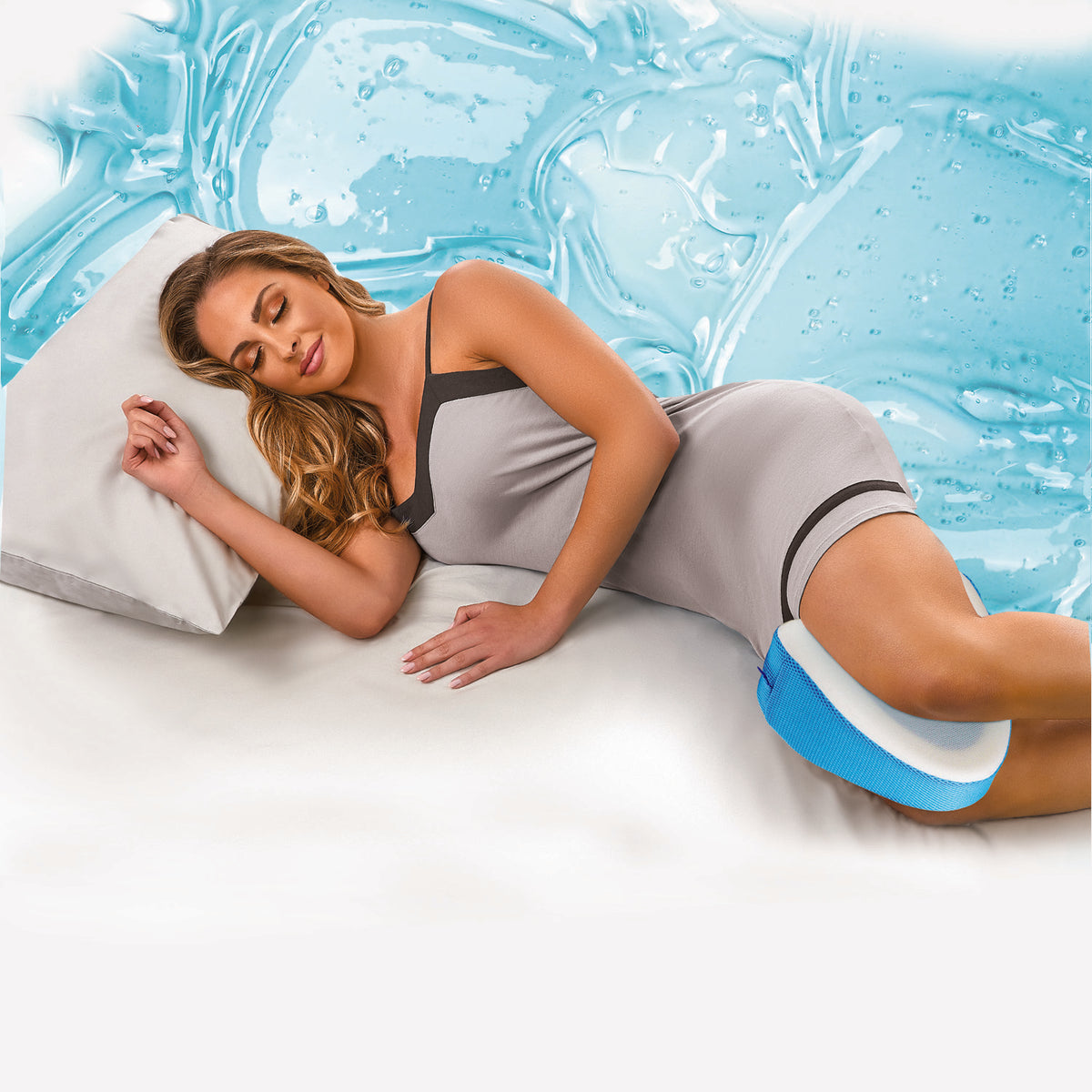
- Side sleepers: one high-loft pillow, roughly 5 to 6 inches. Add a second pillow between the knees to keep the hips square.
- Back sleepers: one medium-loft pillow, roughly 3 to 5 inches, ideally with some neck support at the bottom edge. A pillow under the knees relieves the lower back.
- Stomach sleepers: one very thin pillow, or none. A thin pillow under the hips does more good than anything under the head.
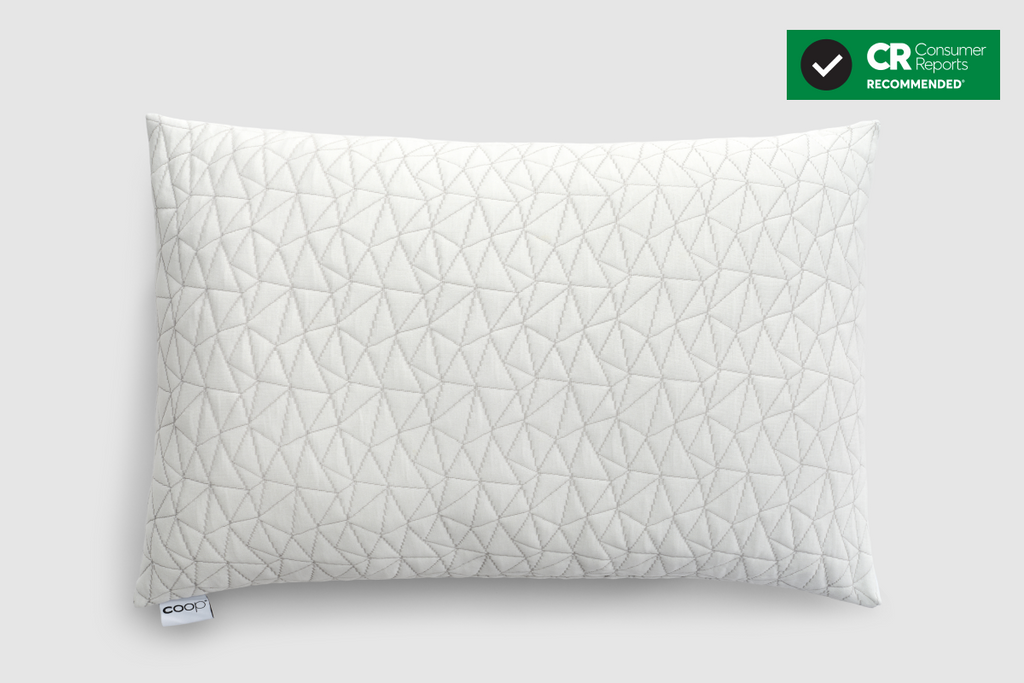
- Combination sleepers: one adjustable pillow you can add or remove fill from, rather than swapping between a tall and a flat one.
- Pregnancy: one head pillow plus a body or wedge pillow for the bump and the top knee.
Why stacking two pillows backfires
Two standard pillows stacked usually land somewhere between 7 and 9 inches of loft, which is taller than almost any sleeper needs. That pushes the head forward, closes the angle at the front of the neck, and puts the deep neck extensors under tension all night. It also compresses the airway slightly, which is the opposite of what you want if you snore.
The other problem is instability: two pillows slide against each other, so the loft you set up at bedtime is not the loft you have at 3am. If two pillows feel right, what you actually need is one pillow of that combined height — an adjustable shredded-fill pillow or a high-loft side-sleeper pillow.
When more than one head pillow is justified
There are a few real exceptions, and they are all about elevation rather than comfort.
- Acid reflux or GERD: elevation is genuinely helpful, but a wedge that lifts the whole torso works far better than stacked pillows, which only bend your neck.
- Congestion or a recent cold: a temporary extra pillow is fine for a few nights.
- Post-surgery instructions: follow what your clinician told you over any general advice.
- Very broad shoulders with a thin pillow on hand: a workable stopgap, but replace it with one correctly lofted pillow.
How many pillows to keep on the bed
Decoration and sleep are different questions. For sleeping you want one pillow per person plus any positional pillows you actually use. Extra shams and throw pillows should come off the bed at night — leaving them on means they collect skin oils and dust without ever being washed on a sleep-pillow schedule.
A practical set for a shared bed: two sleeping pillows, one or two positional pillows, and a spare pair in the closet for the week a pillow is being washed and dried.
Pillows we recommend for this
FAQ
Is sleeping with two pillows bad for your neck?
For most people, yes. Two stacked pillows usually push loft to 7 to 9 inches, which tips the head forward and strains the neck. If two feels right, buy one pillow of that height instead.
Should I sleep with a pillow between my knees?
If you sleep on your side, it helps. It keeps the top hip from rotating forward, which reduces strain on the lower back and the sacroiliac joints. A firm knee pillow works better than a folded blanket because it holds its thickness.
How many pillows do you need for a queen bed?
Two for sleeping. Anything beyond that is decorative and should be removed at night.
Keep reading
Find the Right Pillow for Your Sleep Style
Get a tailored shortlist based on sleep position, shoulder fit, desired loft and materials using our free Pillow Finder.
Start the Free Pillow Finder →Instant recommendations, no email or signup required. We may earn commissions on some buying links.
Affiliate disclosure: Mr. Squish may earn a commission when you buy through links on this page. Recommendations are based on independent product research; any hands-on test is labelled separately. Learn more.