
Best Pillowcases for Acne and Sensitive Skin
Your face spends a third of its life pressed against a pillowcase, so what accumulates on that fabric — oils, hair product residue, dead skin, and the bacteria that feed on all three — comes back into contact with your skin every night. No pillowcase treats acne, and anyone promising one is overstating bedding; the honest case for changing yours is reducing re-exposure to grime and reducing friction that irritates already-inflamed skin. That points to two fabric families. Silk glides instead of dragging, absorbs less of your skincare than cotton, and is the gentlest surface for reactive skin, though it needs delicate washing. Crisp percale cotton is the practical alternative: it washes hot, dries fast, and survives the twice-weekly laundering that actually makes a difference — because the single most effective habit is simply washing the case often, whichever fabric you choose. These are research picks based on manufacturer specifications and verified owner feedback. Persistent or cystic acne belongs with a dermatologist, not a fabric.
These picks are based on manufacturer specifications and our research, not hands-on testing. See how we test pillows
If you are using a retinoid or acne treatment at night, check whether your dermatologist has a fabric preference — some prefer cotton because silk's low absorbency leaves more product sitting on the skin's surface rather than in the fabric.
Quick picks
| Pillow | Best for | Score | |
|---|---|---|---|
| Blissy Silk Pillowcase | Hair and skin protection with the widest color range | 9.2 | Review |
| Slip Pure Silk Pillowcase | Beauty sleepers who want the dermatologist-favorite brand | 9.0 | Review |
| Brooklinen Mulberry Silk Pillowcase | Value buyers who want real 22-momme silk under $60 | 8.8 | Review |
| Rest Evercool+ Cooling Pillowcases | Hot sleepers and night sweaters who want instant cool-to-the-touch fabric | 8.9 | Review |
Blissy Silk Pillowcase

22-momme 6A-grade mulberry silk with a hidden zipper, OEKO-TEX certified, and available in dozens of colors. The silk pillowcase that made the category mainstream.
Verified specs: Mulberry Silk (22 momme) fill · soft feel.
Research pick — based on manufacturer specifications and our research.
Slip Pure Silk Pillowcase

Slip's proprietary Slipsilk is a 22-momme long-fiber mulberry silk developed over ten years, with a finish specifically tuned to reduce friction on hair and skin.
Verified specs: Mulberry Silk (22 momme) fill · soft feel.
Research pick — based on manufacturer specifications and our research.
Brooklinen Mulberry Silk Pillowcase
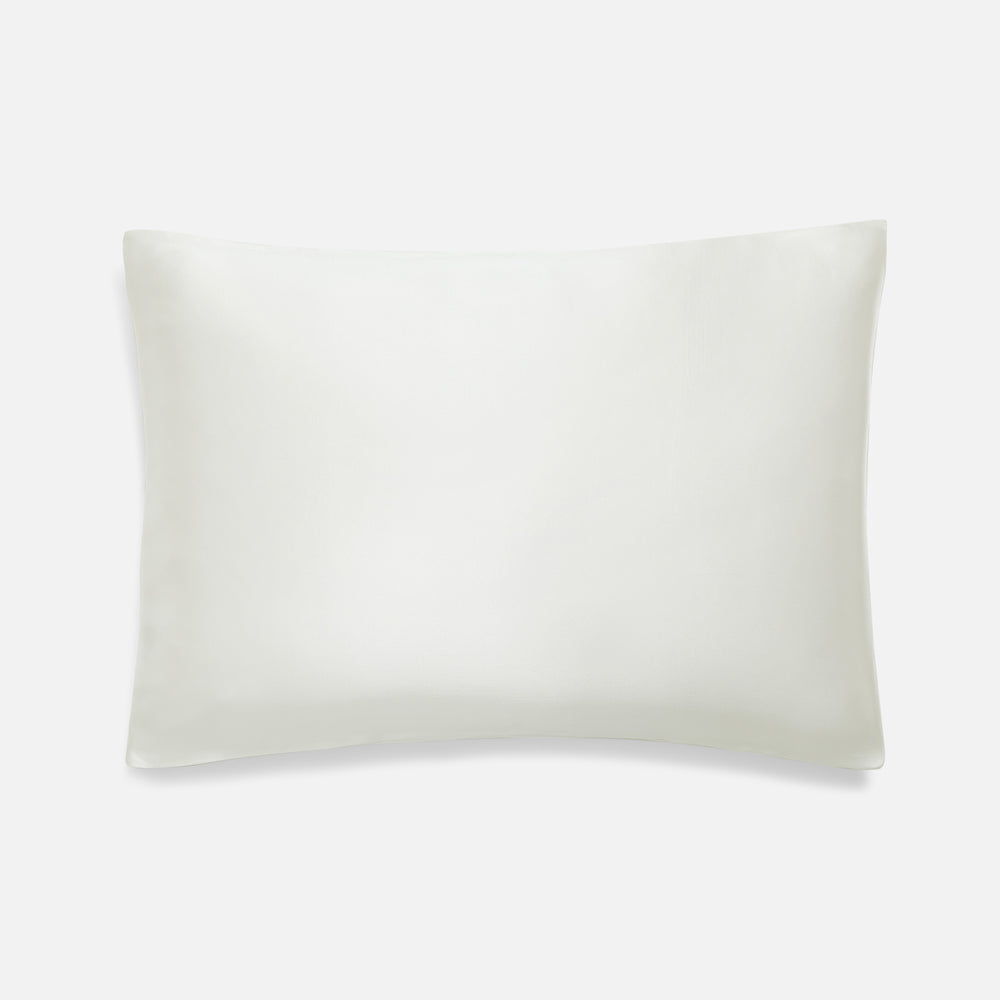
The same 22-momme mulberry silk spec as the premium brands at a noticeably lower price, with an envelope closure and Brooklinen's bedding-grade quality control.
Verified specs: Mulberry Silk (22 momme) fill · soft feel.
Research pick — based on manufacturer specifications and our research.
Rest Evercool+ Cooling Pillowcases
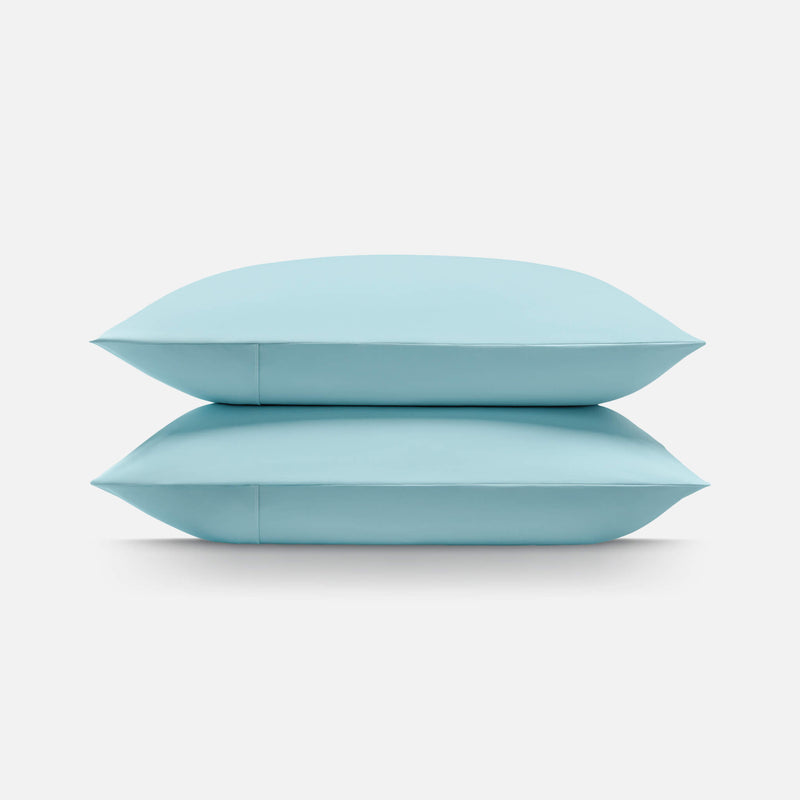
A purpose-built cooling pillowcase pair with a lab-measured Qmax of 0.433 W/cm² — noticeably cool on contact, antimicrobial, and fully machine washable.
Verified specs: Evercool+ Cooling Knit fill · soft feel · 1 year warranty.
Research pick — based on manufacturer specifications and our research.
Ready to give it a squish?
Our highest-rated research pick for this category.
Buying guide
Wash frequency wins
Every two to three days for acne-prone skin — more impactful than any fabric choice.
Silk glides, cotton launders
Silk is gentlest on inflamed skin; percale cotton survives the hot, frequent washing hygiene demands.
Skip softener and fragrance
Detergent and softener residue on the case is a common, fixable irritant for sensitive skin.
Ask about your treatment
Retinoid or prescription users: some dermatologists prefer cotton because silk leaves more product on the skin.
What your pillowcase actually does to your skin
A pillowcase accumulates oils, dead skin, hair product residue, and bacteria, then presses all of it back against your face for hours every night. That is re-exposure, not cause: the evidence does not support pillowcases causing acne, but dermatologists broadly agree that a grimy sleep surface can aggravate existing breakouts and irritation.
The honest framework is hygiene and friction. Wash the case often enough that buildup never gets a chance, and choose a fabric that does not drag on inflamed skin when you turn.
Silk versus cotton for reactive skin
Silk's case is glide and low absorbency: it does not drag on irritated skin, and it absorbs less of your skincare than cotton, so products stay on your face. Its weakness is laundry — silk wants cool, gentle washing, which conflicts with the frequent hot washes hygiene argues for.
Crisp percale cotton is the pragmatic pick for acne-prone skin precisely because it survives aggressive laundering: hot water, fast drying, twice-weekly rotation. If you are using a retinoid or prescription treatment, ask your dermatologist whether they have a fabric preference — some prefer cotton because silk's low absorbency leaves more product sitting on the skin's surface.
The habit that beats any fabric
Wash frequency matters more than fabric choice. Every two to three days is the target dermatologists commonly suggest for acne-prone skin; weekly is the minimum. Owning three cases and rotating them is easier than laundering constantly.
Beyond the case: keep hair products off the pillow by styling earlier or wrapping hair, and skip fabric softener and fragranced detergent on anything touching your face — residue from both is a common, fixable irritant for sensitive skin.
Compare another fit
More core pillow guides
FAQ
Keep reading
Affiliate disclosure: Mr. Squish may earn a commission when you buy through links on this page. Affiliate relationships never determine our scores or rankings — see how we test.