
Measure before buying
Contour height is fixed on most models, so the neck roll must match your shoulder width and mattress sink.
Pillow shape guide
Cervical pillows use a raised neck roll and a lower head cradle to hold the spine closer to neutral. They can help positioning, but they are accessories rather than treatments, and fit matters more than any branding.
Start with the fundamentals
Contour height is fixed on most models, so the neck roll must match your shoulder width and mattress sink.
A new contour can feel odd or even sore for several nights while your usual sleeping posture changes.
Persistent numbness, radiating pain, or worsening symptoms need medical advice, not a different pillow.
Research shortlist
These are research picks based on manufacturer specifications, documentation, and owner-feedback patterns—not hands-on testing.
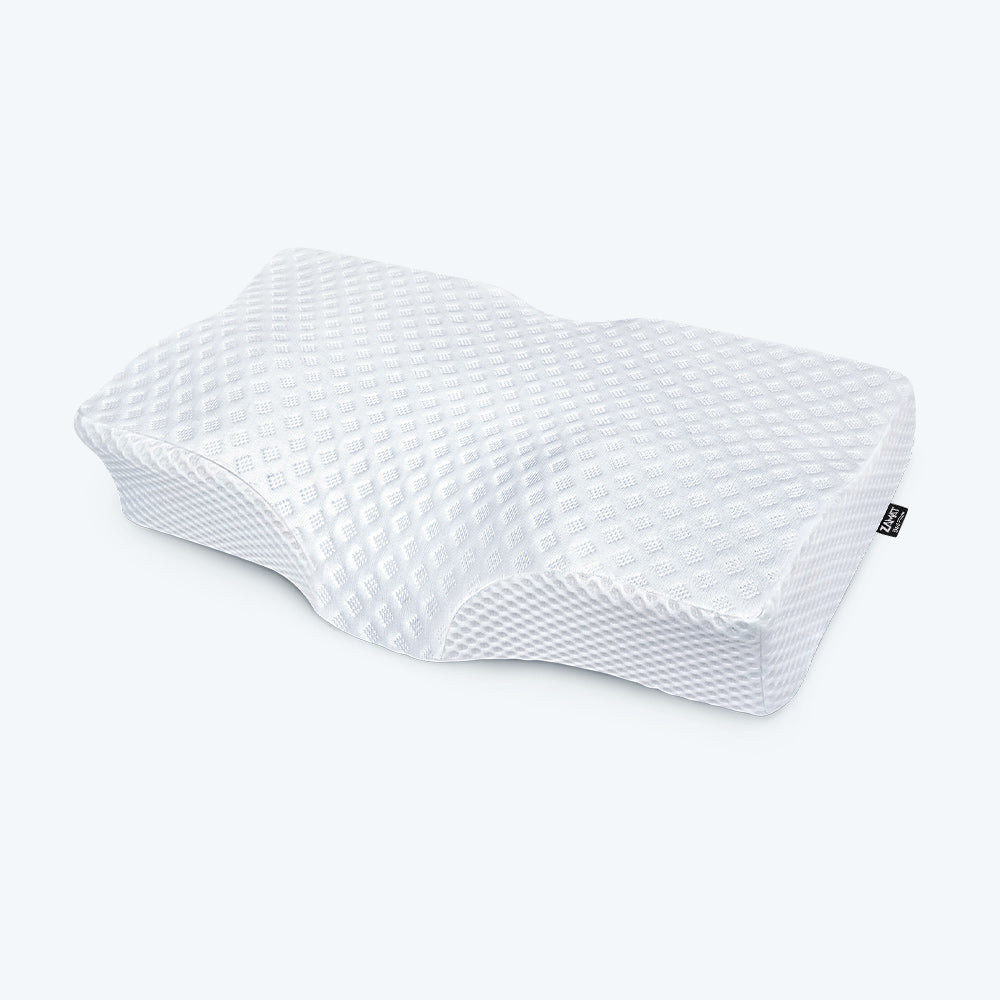
Best for: Side sleepers with morning neck stiffness
A contoured cervical pillow with an adjustable insert and a shoulder-notch design that keeps side sleepers' necks neutral all night.
Read Review
Best for: Back and side sleepers who want firm cervical support
The original ergonomic neck pillow. A dense TEMPUR material wave shape with two lobe heights so you can pick your loft.
Read Review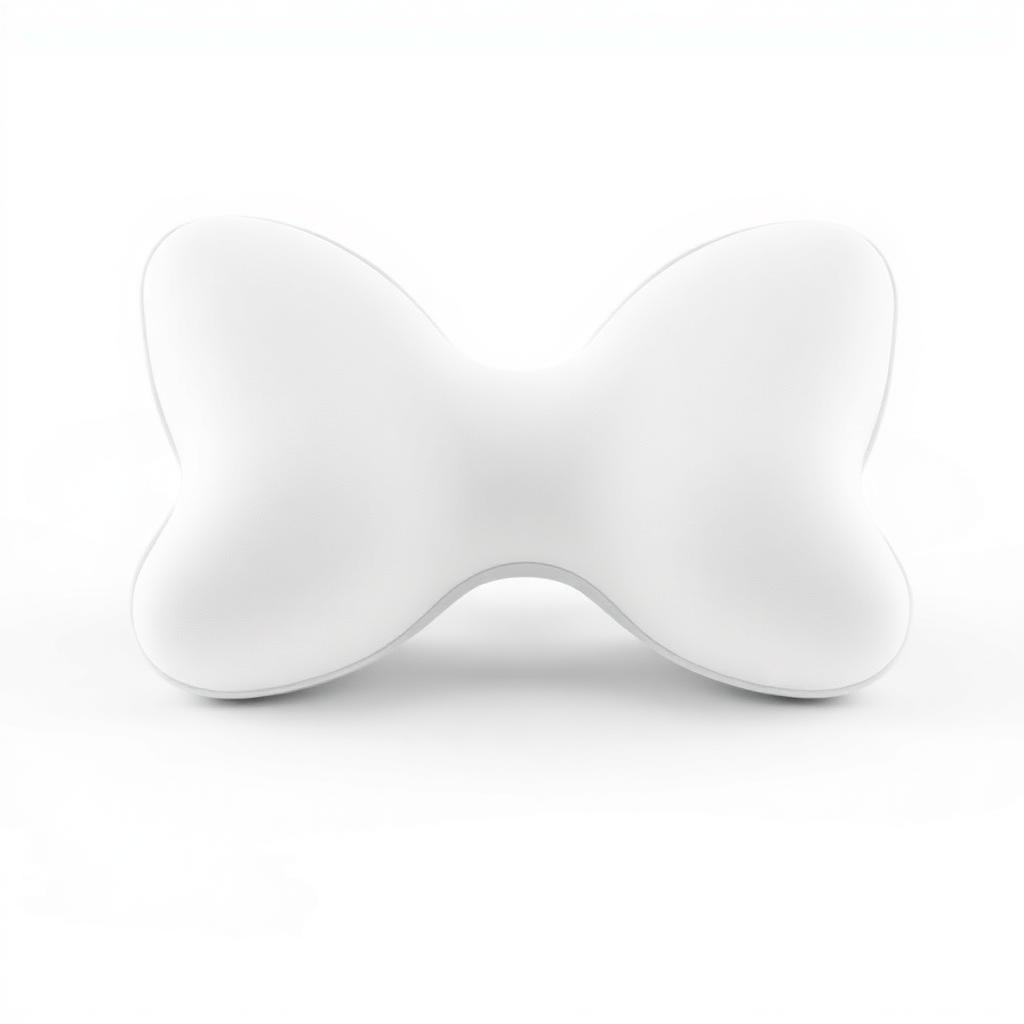
Best for: Back and side sleepers with chronic neck stiffness
A butterfly-shaped memory foam contour with a raised cervical roll and wings intended to limit side-to-side movement. Its fixed, structured shape makes correct sizing especially important.
Read ReviewCervical pillows hold a fixed contour that supports the neck's curve; regular pillows are shapeable but passive. Who should switch, and who should not.
Two home measurements — shoulder gap and neck depth — predict cervical pillow fit better than any size chart. Here's how to take them.
A neck roll supports the neck curve and nothing else; a cervical pillow supports neck and head together. When each makes sense — and when to combine them.