
What's the Best Sleeping Position?
There is no single best position for everyone, but there is usually a best position for your particular problem. Side sleeping suits reflux, snoring, and most back pain. Back sleeping is easiest on the neck and spine when it is properly supported and it is the worst option if you snore. Stomach sleeping is the one position most clinicians would talk you out of. What matters as much as the position is whether your pillow matches it — the wrong loft undoes any positional advantage.
In this guide
Side sleeping
The most common position and the most broadly useful. Left-side sleeping in particular reduces reflux, and side sleeping generally keeps the airway more open than lying on your back, which is why it is the standard first suggestion for snoring.
The costs are shoulder compression and facial contact. You need a high, firm pillow — roughly five to six inches — to fill the gap between ear and mattress, and a pillow between the knees to stop the top leg rotating the pelvis. If your arm goes numb, that is usually shoulder position rather than the pillow.
Back sleeping
The best position for keeping the head, neck, and spine neutral, and the best for avoiding facial creasing. It suits people with neck pain, provided the pillow is medium loft — around four inches — so the head is not pushed forward.
It is the worst position for snoring and for obstructive sleep apnoea, because the tongue and soft palate fall backward under gravity. A small pillow under the knees relieves the lower back for anyone who finds flat-on-back uncomfortable.
Stomach sleeping
Sleeping face-down forces your head to rotate roughly 90 degrees for hours and flattens the natural curve of the lower back. It is the position most associated with waking neck stiffness.
If you cannot give it up, minimise the damage: use a very thin pillow or none at all under your head, and put a thin pillow under your pelvis to stop the lower back arching. Moving to a hugged body-pillow side position is the usual transition route.
Choosing by problem
Where the evidence points for common complaints.
- Acid reflux: left side, ideally with the head and torso elevated on a wedge.
- Snoring and sleep apnoea: side, avoid back.
- Neck pain: back or side with correctly matched pillow loft; avoid stomach.
- Lower back pain: side with a knee pillow, or back with a pillow under the knees.
- Pregnancy after the first trimester: left side, with support under the bump and between the knees.
- Shoulder pain: sleep on the unaffected side, hugging a pillow to support the top arm.
How to actually change position
You cannot control what you do while asleep, so make the target position comfortable and the old one awkward. A body pillow to hug and place between the knees keeps side sleepers on their side. For back-to-side, a wedge or pillow bolstered behind your back stops you rolling flat.
Expect a few weeks. Position habits are strong, and you will drift back at first — the aim is that you spend more of the night in the better position, not that you never move.
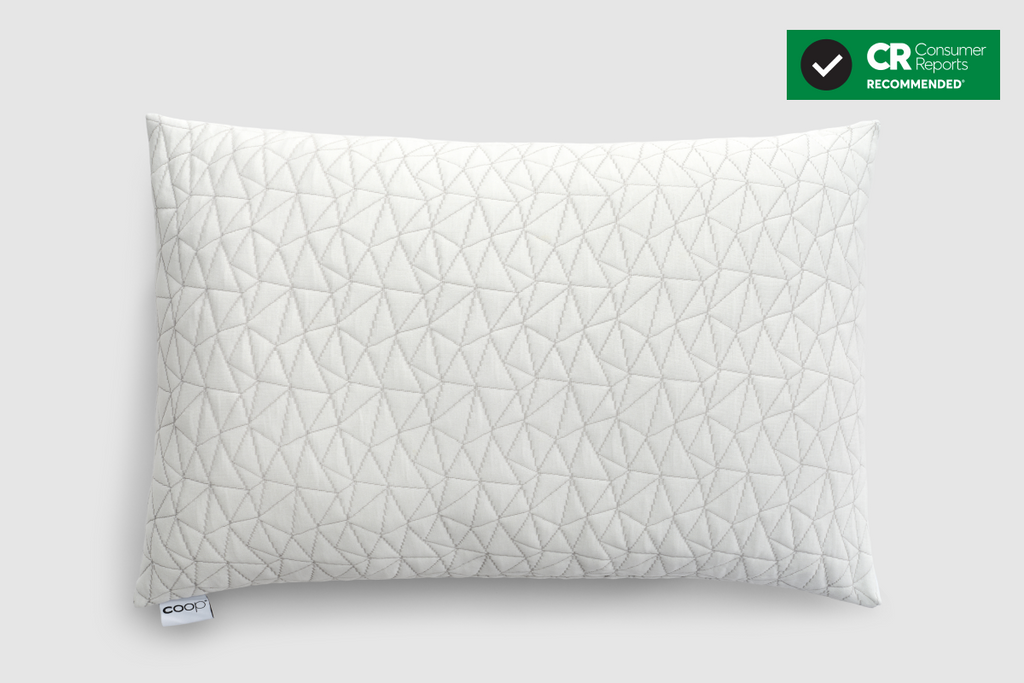
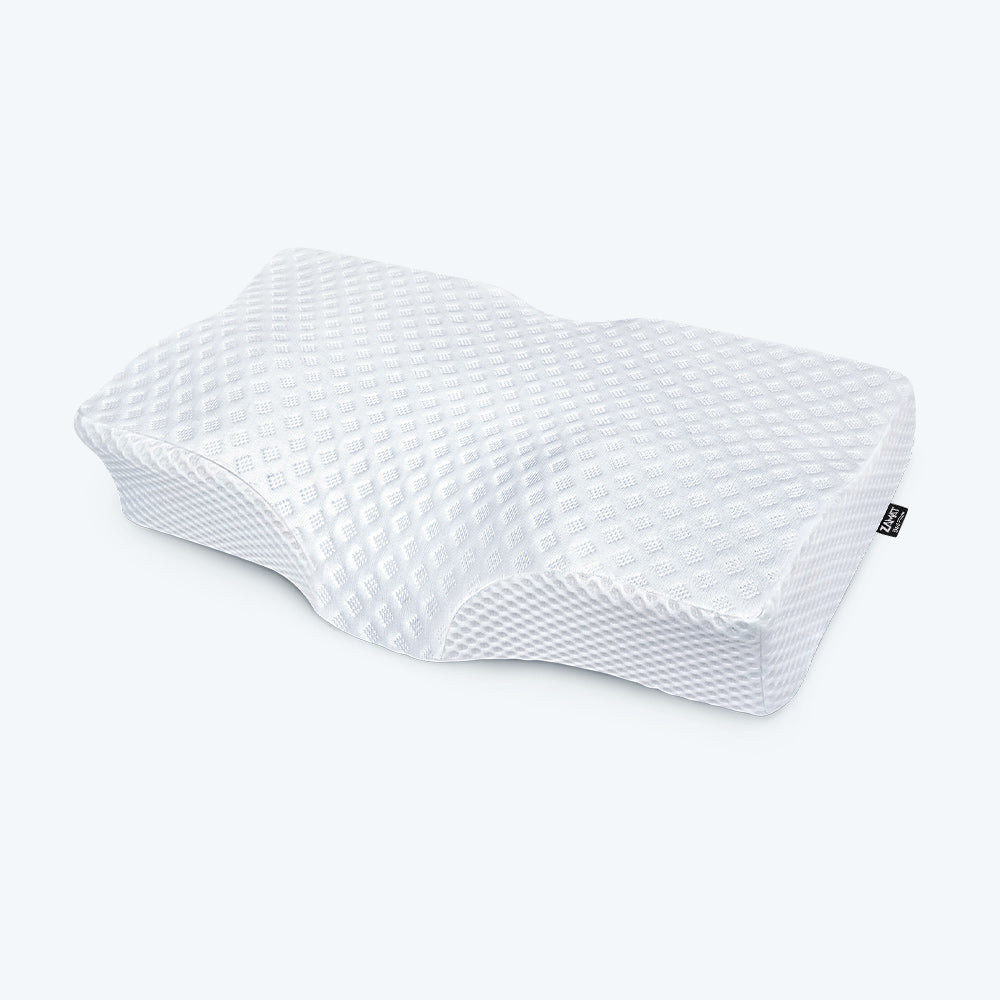
Pillows we recommend for this
FAQ
Is sleeping on your left side better than your right?
For reflux, yes — the stomach's anatomy makes left-side sleeping less likely to let acid escape upward. For everything else, the difference is minor.
Is stomach sleeping really that bad?
It is the hardest position on the neck because of the sustained rotation. If it is the only way you sleep, use a very flat pillow or none rather than forcing a change overnight.
Does sleeping position affect snoring?
Substantially for many people. Snoring often reduces or stops on the side, which is why positional therapy is a standard first step.
What position is best for neck pain?
Back or side, with the pillow loft matched to that position. The pillow is usually the variable that matters more than the position itself.
Can I train myself to sleep on my back?
Often yes, with a supportive pillow under the knees and bolsters at your sides. Do not do it if you snore heavily or have untreated sleep apnoea.
Keep reading
Find the Right Pillow for Your Sleep Style
Get a tailored shortlist based on sleep position, shoulder fit, desired loft and materials using our free Pillow Finder.
Start the Free Pillow Finder →Instant recommendations, no email or signup required. We may earn commissions on some buying links.
Affiliate disclosure: Mr. Squish may earn a commission when you buy through links on this page. Recommendations are based on independent product research; any hands-on test is labelled separately. Learn more.