
Body Pillow vs Pregnancy Pillow: Which Do You Need?
Type 'body pillow' into a search and half the results are pregnancy pillows, which raises a fair question: are they the same thing with different marketing, or genuinely different products? The answer is somewhere in between. Both are long pillows meant to support your top arm, belly, and knees at once — but the shape differences change who each one works for, how much bed they take over, and whether you can keep using them after pregnancy. Here's the honest comparison.
In this guide
The short answer
A body pillow is a single straight or slightly curved pillow, usually 48–60 inches long. A pregnancy pillow is a shaped system — U-shaped, C-shaped, or wedge — designed to support the belly and back simultaneously without you repositioning anything. If you're pregnant and switch sides at night, a U-shape wins. Everyone else — side sleepers with hip pain, shoulder pain, or restless legs — is usually better served by a straight body pillow, which is cheaper, smaller, and easier to wash.
Shape and what it actually changes
A straight body pillow supports one side of you: hug the top, tuck the bottom between your knees, and your pelvis stays level. If you roll to your other side overnight, you have to flip or drag the pillow with you.
A U-shaped pregnancy pillow wraps both sides at once — support in front AND behind — so when you flip sides at 3 a.m. the pillow doesn't move. The trade-off is size: a U-shape effectively occupies a third to half of a queen bed, and partners notice. C-shaped pillows are the middle ground, wrapping one side with support for head, belly, and knees in a single curve. Wedges are a different category entirely: small, firm supports that tuck under the belly or behind the back rather than replacing a full-length pillow.
- Straight body pillow: one-sided support, least bed space, easiest to wash and store.
- U-shaped: both sides at once, best for side-switchers, biggest footprint.
- C-shaped: full support on one side, smaller than a U, can double as a nursing pillow later.
- Wedge: targeted belly or back support, cheap, but doesn't help knees or arms.
Who should buy which
Buy a body pillow if you have hip, shoulder, or lower-back pain as a side sleeper, if you're a hugger who sleeps hot (shredded-foam body pillows breathe far better than the polyester fill in most pregnancy pillows), or if you share a bed and can't surrender half of it. Adjustable-fill body pillows also let you tune the loft, which pregnancy pillows almost never offer.
Buy a pregnancy pillow if you're in the second or third trimester and wake up every time you change sides, if round ligament pain means you need belly support and back support at the same time, or if you want one product that transitions to nursing support after the baby arrives. Pregnant or not, nobody needs a U-shaped pillow unless both-side support is the specific problem being solved.
Cost, washing, and lifespan
Straight body pillows run roughly $40–$80 for good shredded-foam options and most are fully machine washable (check drum size — a 54-inch pillow needs a large-capacity machine). Pregnancy pillows typically cost $50–$110, and most are spot-clean or cover-only washable; the fill is polyester and tends to flatten within a year or two of nightly use. If long-term durability matters, a shredded-foam body pillow with a replaceable cover outlasts a polyester U-shape comfortably.
Pillows we recommend for this
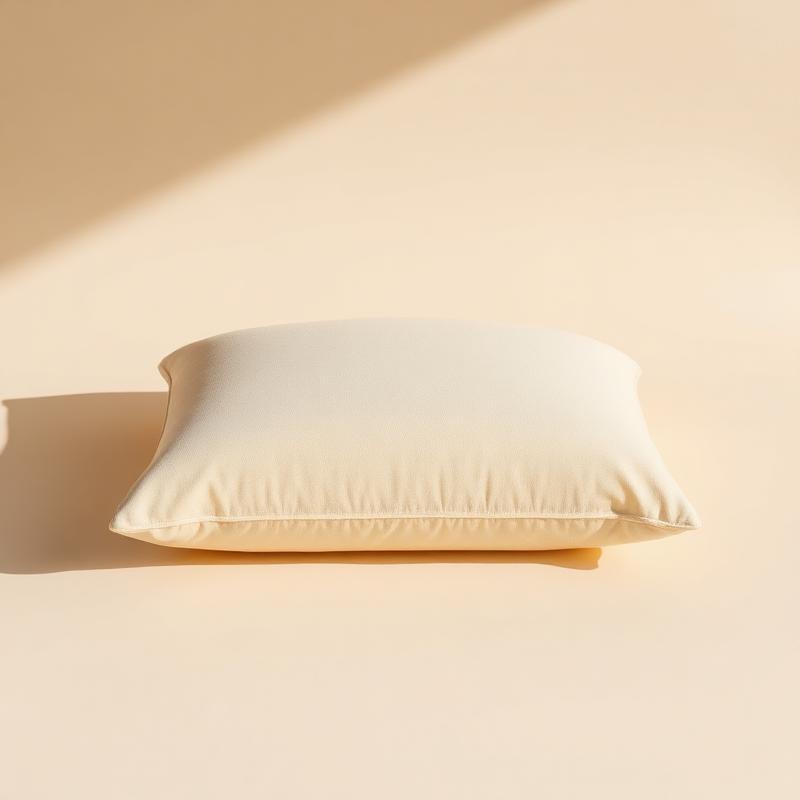
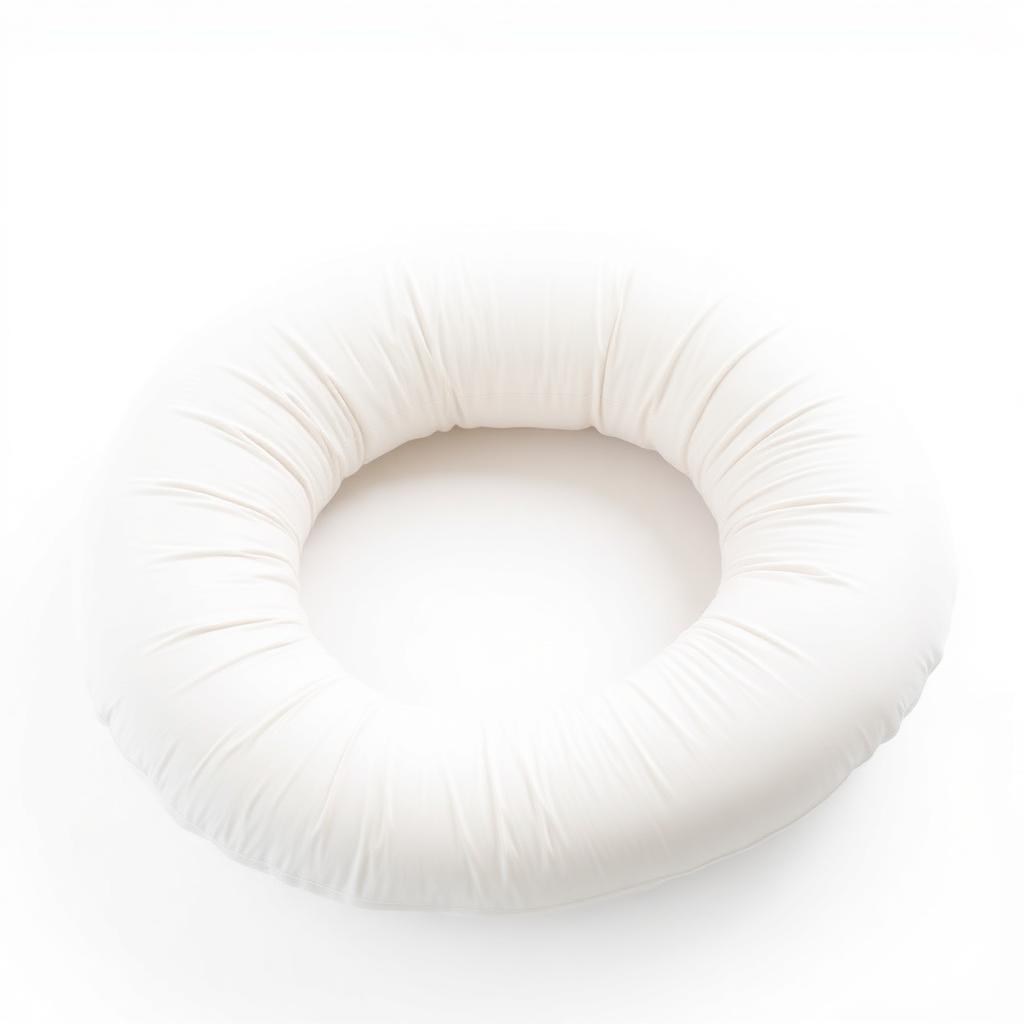
PharMeDoc U-Shaped Pregnancy Pillow
Pregnancy and side sleepers who want full-body support
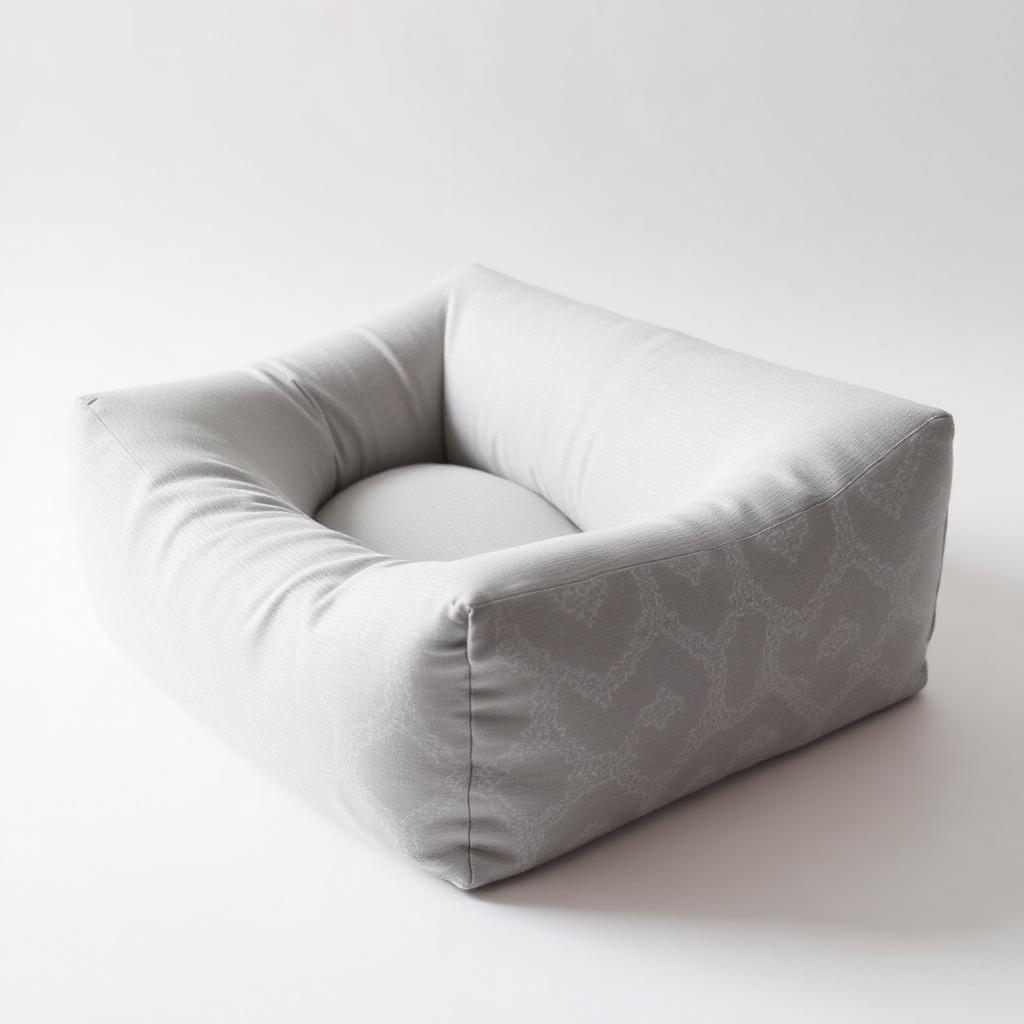
Boppy Side Sleeper Pregnancy Pillow
Smaller beds and second- or third-trimester bump support
FAQ
Can you use a pregnancy pillow if you're not pregnant?
Yes — plenty of people with back pain, reflux, or recovery needs use U-shaped pillows for the both-sides support. Just know they run warm, take up significant bed space, and are usually polyester-filled.
Is a body pillow enough for pregnancy?
For many people, yes — a straight body pillow hugged in front with the bottom between the knees covers belly, arm, and knee support. The case for upgrading to a U-shape is frequent side-switching or needing back support simultaneously.
Which is better for hip pain?
Usually a straight body pillow — firmer, adjustable options keep the top knee at hip height more reliably than the soft polyester in most pregnancy pillows. Knee placement is what fixes hip alignment, not the shape around your back.
Do pregnancy pillows take up the whole bed?
A U-shaped pillow takes up roughly a third to half of a queen bed. In a full-size bed with a partner, a straight body pillow or C-shape is the realistic choice.
Keep reading
Find the Right Pillow for Your Sleep Style
Get a tailored shortlist based on sleep position, shoulder fit, desired loft and materials using our free Pillow Finder.
Start the Free Pillow Finder →Instant recommendations, no email or signup required. We may earn commissions on some buying links.
Affiliate disclosure: Mr. Squish may earn a commission when you buy through links on this page. Recommendations are based on independent product research; any hands-on test is labelled separately. Learn more.