
Do You Need a Mattress Topper?
A mattress topper is a two-to-four inch layer you add on top of an existing mattress to change how it feels. It can absolutely fix the right problem, and it absolutely cannot fix the wrong one. The dividing line is simple: a topper changes the surface feel of a bed, but it cannot restore support that the mattress underneath has lost. Before you buy one, work out which of those two things is actually wrong — and check your pillow first, because a surprising share of what people blame on a mattress is a loft problem at the head of the bed.
In this guide
A topper fixes surface feel, not lost support
If your mattress is structurally sound but feels too firm, too hard on the hips and shoulders, or too slick and bouncy, a topper is the right tool and a cheap one. If the mattress sags in the middle, has a visible dip where you sleep, or leaves your lower back aching because your hips sink out of line, a topper will not fix it. Soft foam on top of a sagging core makes the dip deeper, not shallower.
- Good candidates: too-firm bed, pressure points at hip and shoulder, guest bed that needs softening, dorm or rental mattress you cannot replace.
- Bad candidates: visible sag, broken springs, a bed that is too soft already, a mattress over roughly a decade old.
Match the material to the problem
Each topper material solves one problem well and creates a predictable trade-off.
- Memory foam — best for pressure relief at hips and shoulders. Trade-off: it holds heat and it makes moving around harder.
- Latex — responsive and cooler than memory foam, with a springy feel. Trade-off: heavier and usually the most expensive option.
- Down or feather featherbed — plush, hotel-like surface. Trade-off: needs regular fluffing and gives almost no support.
- Wool — temperature regulating in both directions and naturally resilient. Trade-off: softens the surface only slightly.
- Polyester fibrefill — cheapest, and it flattens fastest. Fine for a guest bed used a few nights a year.
Thickness changes the outcome more than people expect
Two inches adjusts a surface. Three to four inches genuinely changes the feel of the bed, and it also changes your sheet fit and your pillow needs, because raising the sleeping surface changes the distance between your head and the mattress. Anyone who adds a thick topper and then wakes with neck pain usually needs slightly less pillow loft than before, not more.
Check the cheaper fixes first
Before spending on a topper, rule out the things that cost nothing. Rotate the mattress. Check that the foundation or slats are intact — a slat gap wider than about three inches lets foam sag regardless of quality. And test your pillow, because if your head is out of line, the ache you feel in the morning will not be solved by anything happening under your hips.
How long a topper lasts
Latex and high-density memory foam typically outlast fibrefill by years, but every topper is a consumable layer. When the topper starts to show its own body impression, its useful life is over — and if the mattress under it was already tired, that impression will appear quickly.
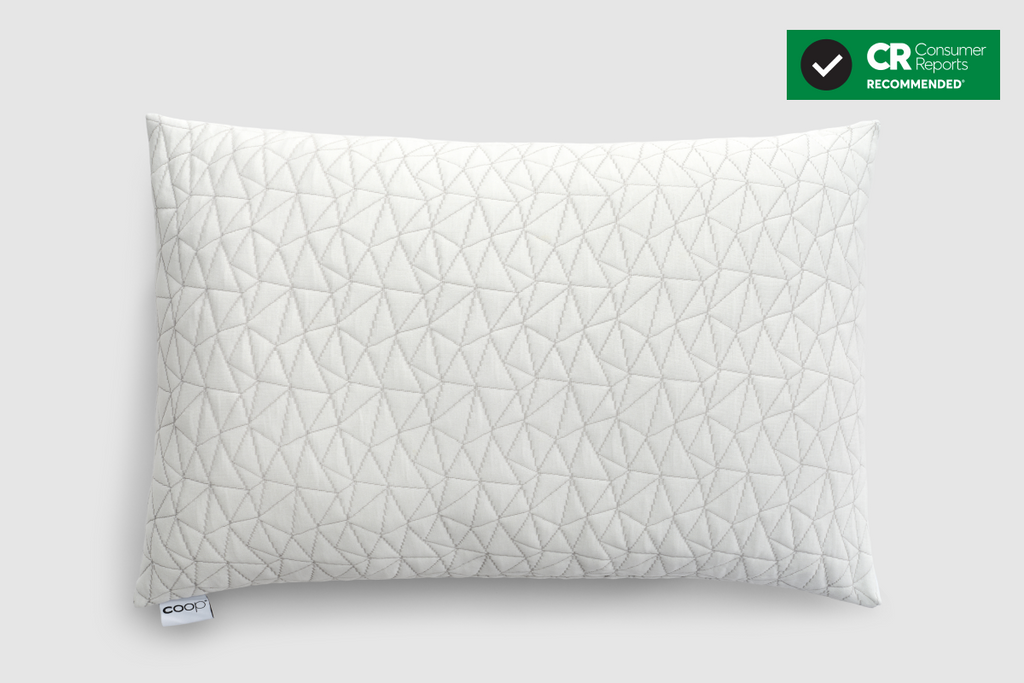
Pillows we recommend for this
FAQ
Will a mattress topper fix a sagging mattress?
No. A topper changes surface feel but cannot restore lost support, and a soft layer over a sag usually makes the dip feel deeper.
Can a topper make a soft mattress firmer?
Only slightly, and only with a firm latex or high-density foam topper. A soft mattress with a firm layer on top still lets your hips sink; the underlying support is what needs to change.
Does a mattress topper change what pillow I need?
Often yes. Adding two to four inches of softer surface lets your shoulder sink further, which usually means you need slightly less pillow loft than before.
What thickness of topper should I buy?
Two inches to adjust the feel, three to four inches to genuinely change it. Thicker than four inches tends to cause sheet fit problems and edge instability.
How long does a mattress topper last?
It varies by material and body weight. Latex and dense memory foam last the longest; polyester fibrefill flattens fastest. Replace any topper that develops its own permanent body impression.
Keep reading
Find the Right Pillow for Your Sleep Style
Get a tailored shortlist based on sleep position, shoulder fit, desired loft and materials using our free Pillow Finder.
Start the Free Pillow Finder →Instant recommendations, no email or signup required. We may earn commissions on some buying links.
Affiliate disclosure: Mr. Squish may earn a commission when you buy through links on this page. Recommendations are based on independent product research; any hands-on test is labelled separately. Learn more.