
Is Your Pillow Too Low? 7 Signs and How to Fix It
A pillow that is too low is the mirror image of the too-high problem — and more common, because pillows lose loft with age and people adapt by compensating instead of replacing. The compensations are the giveaway: if you sleep with a hand under the pillow or fold it in half, your pillow is telling you it is too flat. Here are the signs, the causes, and the fix.
The signs
The unconscious compensations are the most reliable indicators — your body knows the pillow is too low even if you have not admitted it:
- Sleeping with a hand or arm stuffed under the pillow
- Folding or punching the pillow into a heap
- A pulling ache along the top side of the neck (side sleepers)
- Head tipped back with the mouth open (back sleepers)
- Waking to re-fluff or rearrange the pillow
- Neck stiffness that eases as the morning goes on
- A pillow that looks visibly flat or has a permanent hollow
What a too-low pillow does overnight
For side sleepers, a low pillow drops the head below the spine line, bending the neck toward the mattress and straining the muscles on the upper side — the ache arrives along the top of the neck and shoulder. For back sleepers, too-low lets the head tip back, which can narrow the airway and aggravate snoring.
The chronic version is adaptation: you stop noticing the compensations, and the hand under the pillow becomes permanent. That works until it does not — the arm under the pillow goes numb, and now there are two problems.
Why pillows end up too low
Age is the main cause. Down and polyester lose loft continuously and are typically done within one to three years; memory foam develops permanent hollows at two to three years. A pillow that was right when bought is often an inch lower a year later.
The second cause is buying soft when you needed support: a soft pillow compresses under load, so its working height is far below its shelf height. The third is a mattress change in the firmer direction, which grows the gap the pillow must fill.
The fix
For an adjustable pillow, add fill — many brands sell extra fill for exactly this. For a worn-out down or polyester pillow, replacement is usually the honest answer; the fill has broken down and no amount of fluffing rebuilds it.
Use the failure as information: if the pillow was too low within a year, its fill type cannot hold the loft you need. Move to a fill with structural support — shredded foam, latex, or buckwheat — rather than buying the same pillow again.
Pillows we recommend for this
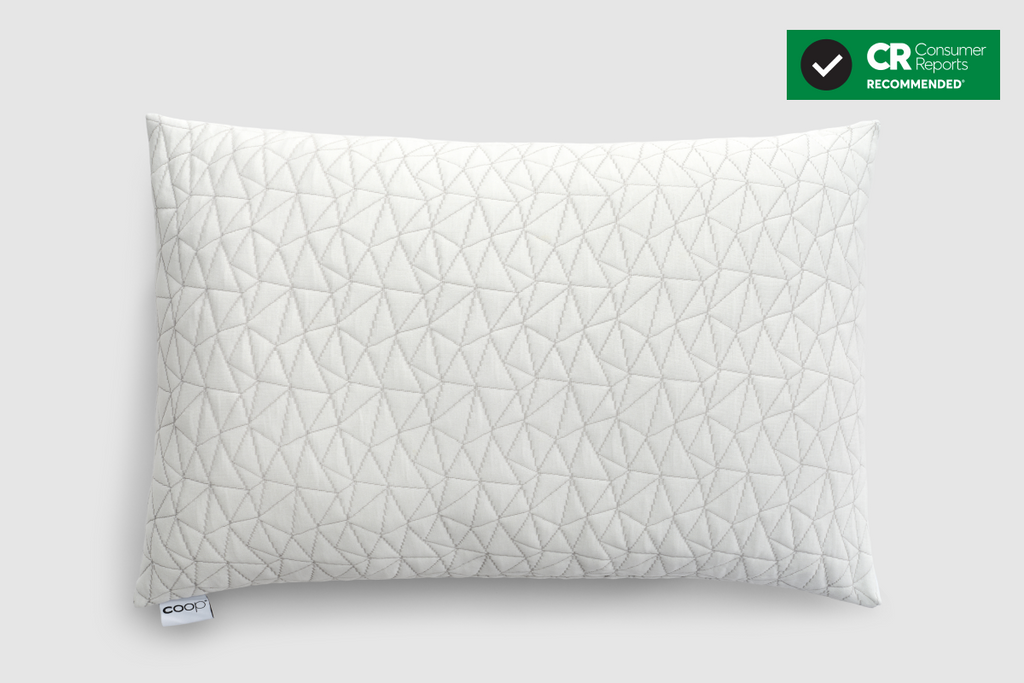
FAQ
Keep reading
Get the Mr. Squish Pillow Cheat Sheet
A simple guide to choosing the right pillow based on your sleep position, body size, and comfort preferences.
No spam. Unsubscribe anytime.
Affiliate disclosure: Mr. Squish may earn a commission when you buy through links on this page. Recommendations are based on independent product research; any hands-on test is labelled separately. Learn more.