
How to Sleep With TMJ Pain Without Making It Worse
Temporomandibular joint (TMJ) pain follows rules that make it unusually responsive to sleep setup. The joint sits just in front of your ear, and anything that compresses it, twists it, or loads the muscles around it for eight hours will greet you in the morning as jaw soreness, a headache, or that click when you yawn. Sleep position and pillow choice are two of the few inputs you fully control — here is how to get them right.
In this guide
Best position: on your back, neck neutral
Dentists and physical therapists who treat TMJ consistently recommend back sleeping. Nothing presses on the jaw joint, the head's weight is supported evenly, and the jaw can hang slightly open in a relaxed position. The key is a pillow that holds your neck in neutral — chin neither tucked nor tipped back — because neck misalignment feeds straight into the jaw muscles.
If you must side sleep
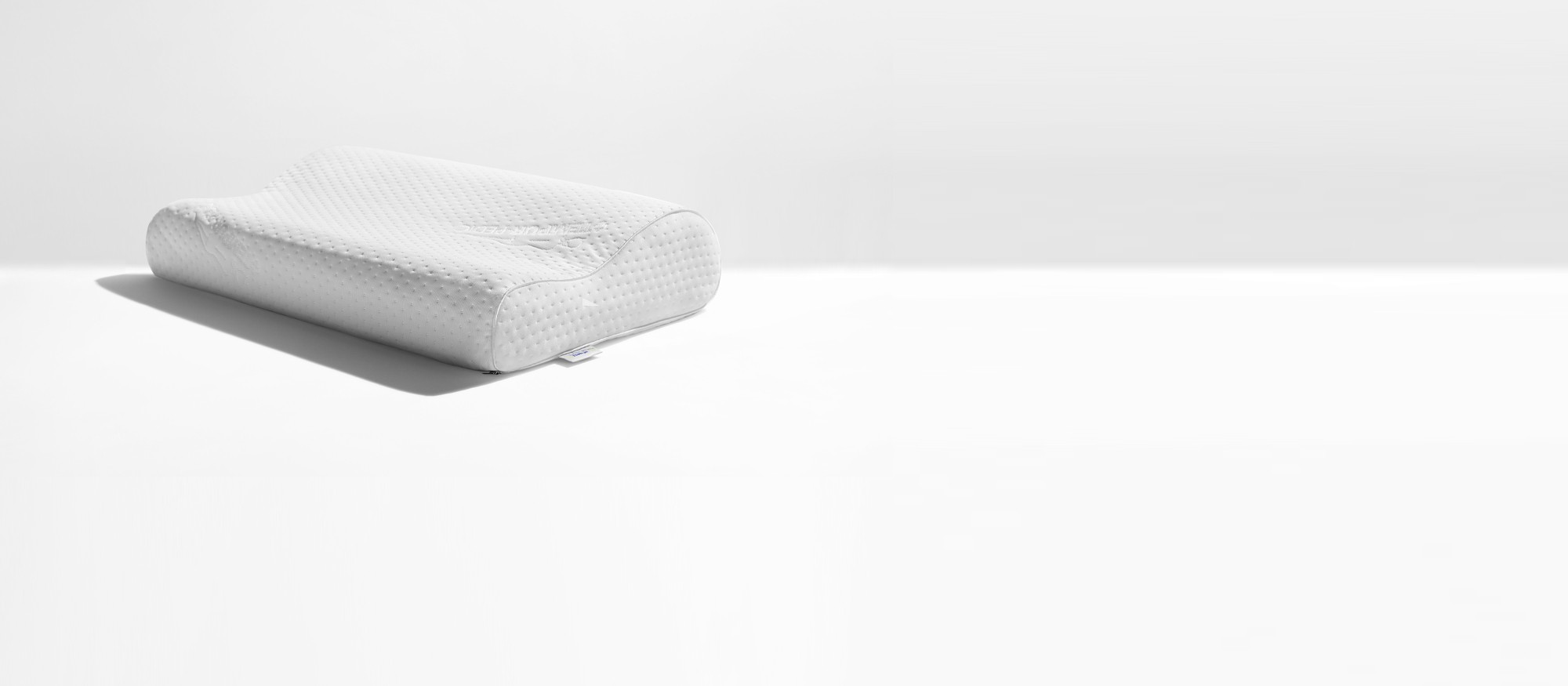
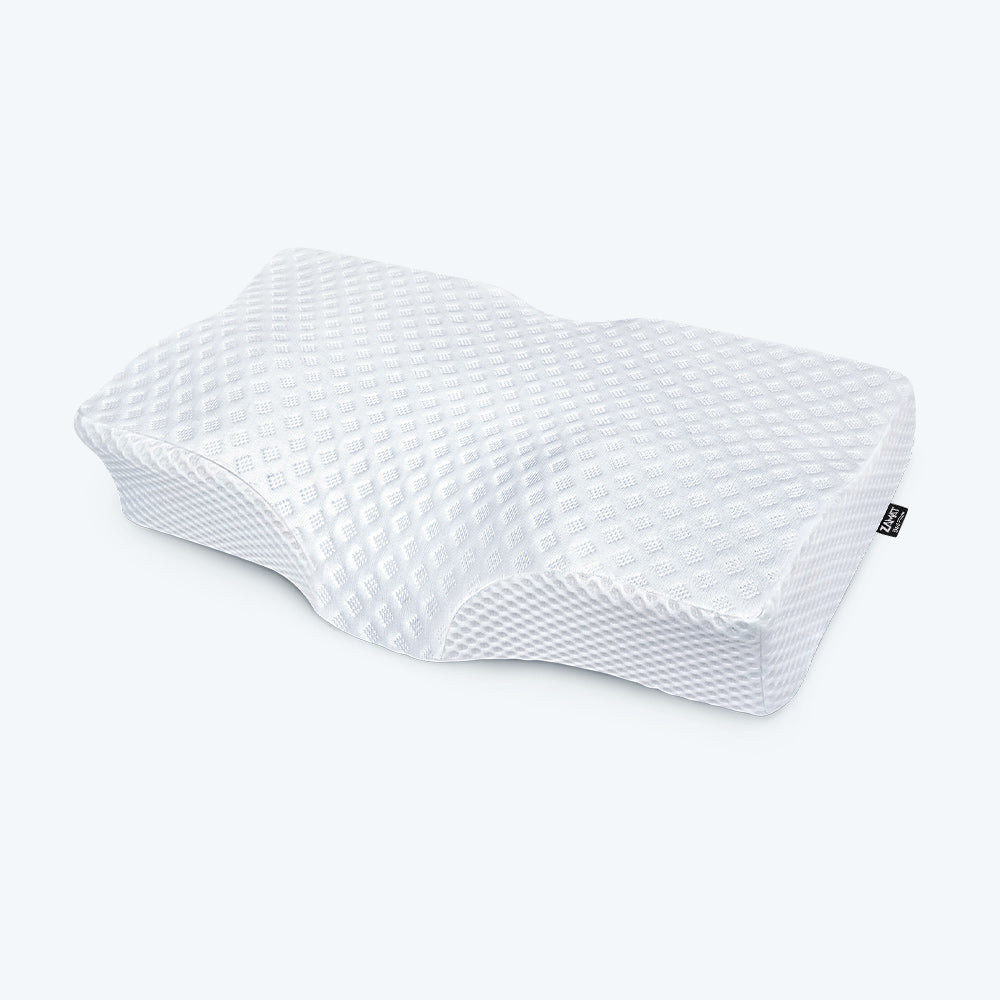
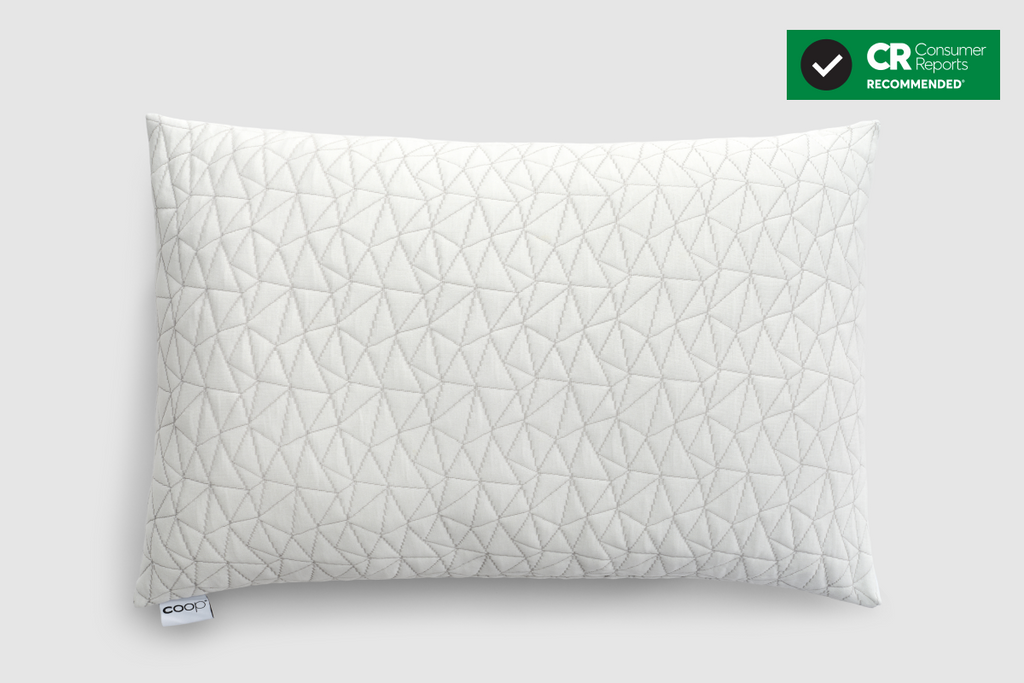
Side sleeping is not forbidden, but the pillow has to do two jobs: be tall enough that your head does not tip down (which strains the jaw-closing muscles on the upper side) and soft enough at the surface that your jaw and ear are not bearing concentrated pressure. An adjustable shredded-foam pillow lets you tune the height; a cervical contour with a shoulder notch keeps the jaw area relatively unloaded. Avoid pressing your hand or arm under the jaw — a common habit that loads the joint all night.
Worst position: stomach sleeping
Stomach sleeping forces your head to rotate fully to one side, and that rotation torques the jaw joint asymmetrically for hours. It is the position most associated with morning TMJ flares. If you are a committed stomach sleeper with TMJ pain, transitioning to back or side is the single highest-impact change you can make.
Clenching and grinding at night
Many TMJ sufferers clench or grind (bruxism) during sleep, and poor sleep posture makes it worse by pre-loading the jaw muscles. A neutral neck position reduces that baseline tension. If you suspect grinding — morning jaw fatigue, worn or sensitive teeth, a partner who hears it — ask a dentist about a night guard. A pillow fixes position; it cannot stop grinding.
When to see a professional
Positional changes manage mechanical stress on the joint, but TMJ disorders have dental, muscular, and sometimes arthritic causes. Get evaluated if you have jaw locking, pain when chewing, significant clicking, headaches that start at the temples, or symptoms that persist despite fixing your sleep setup.
Pillows we recommend for this
FAQ
What is the best sleeping position for TMJ?
On your back with your neck in neutral alignment. Nothing presses the jaw joint and the jaw muscles can fully relax. Side sleeping is second best with the right pillow; stomach sleeping is the worst.
Can a pillow help TMJ pain?
Yes, indirectly. A pillow that keeps the neck neutral reduces strain on the muscles that operate the jaw, and a properly sized pillow keeps head weight off the joint itself. It manages mechanical load — it does not treat the underlying disorder.
Is a firm or soft pillow better for TMJ?
Medium, and matched to position. Back sleepers want a contoured pillow that cradles the neck; side sleepers want enough loft to keep the head level but a surface soft enough not to press the jaw and ear.
Does sleeping on your side cause TMJ?
It does not cause TMJ disorders, but pressing the jaw into a pillow all night — especially with an arm tucked under the jaw — can aggravate an existing one. Back sleeping removes that load entirely.
Keep reading
Find the Right Pillow for Your Sleep Style
Get a tailored shortlist based on sleep position, shoulder fit, desired loft and materials using our free Pillow Finder.
Start the Free Pillow Finder →Instant recommendations, no email or signup required. We may earn commissions on some buying links.
Affiliate disclosure: Mr. Squish may earn a commission when you buy through links on this page. Recommendations are based on independent product research; any hands-on test is labelled separately. Learn more.