
Microbead Pillows Explained
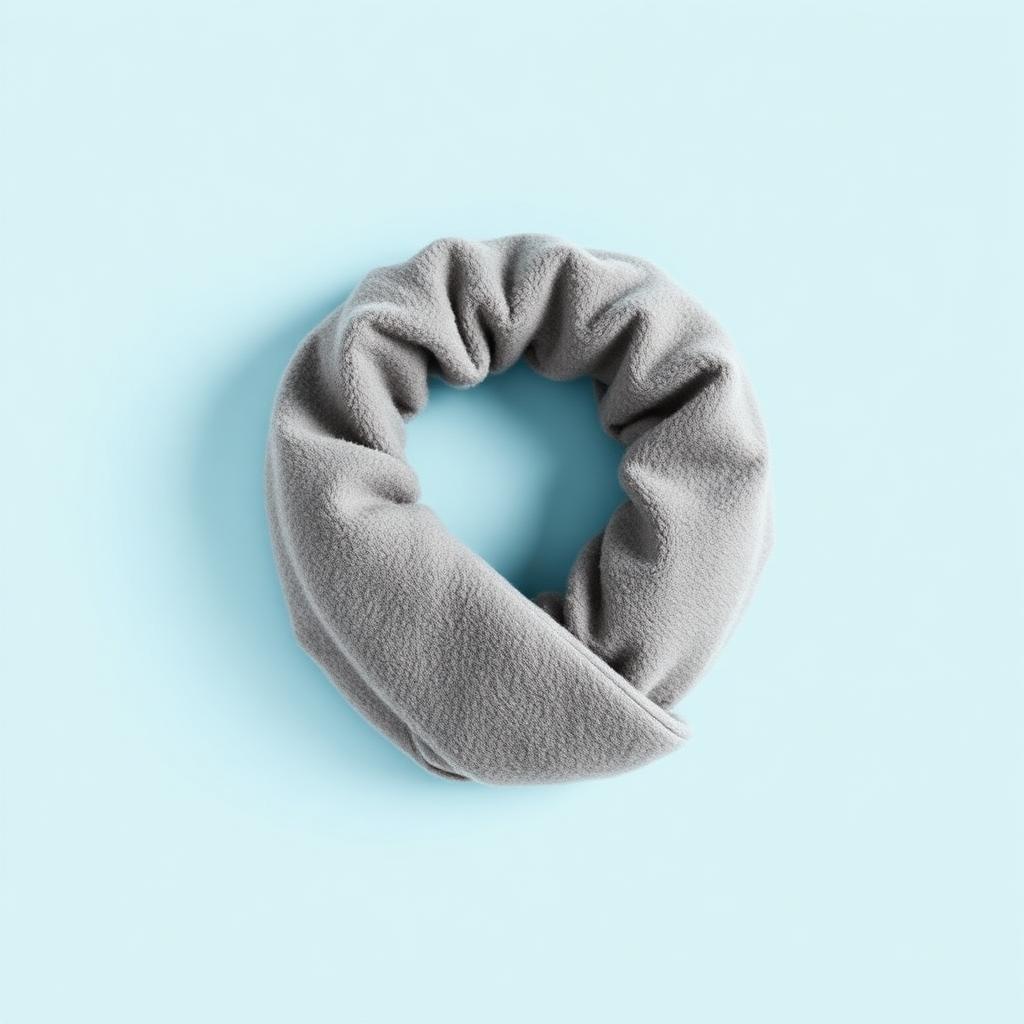
Microbead pillows are filled with tiny polystyrene spheres — the same beads used in bean bags, only much smaller. They flow around whatever presses into them, which gives that distinctive squishy, sand-like feel. Almost every neck pillow sold in an airport is one. They are excellent at conforming and poor at holding a fixed height, which explains exactly where they belong.
How they behave
Beads shift instantly under pressure, so a microbead pillow moulds to a shape without pushing back the way foam or latex does. That is comfortable for propping and lounging and fine for a short nap in a seat.
It is also why they make poor bed pillows: the beads simply migrate out from under the heaviest point, so the loft you need for a full night's neck support does not stay put.
Where microbeads win
Travel neck pillows, lap and reading supports, nursing props, and anywhere you want something that reshapes around an irregular gap. They are also very light, which is why they dominate carry-on-sized products.
For flights, though, a bead-filled U-pillow tends to compress sideways and let the head fall. Inflatable or memory-foam travel pillows hold the head better, which is why our travel picks lean that way.
Durability and care
Beads break down. Over a year or two they crush into smaller pieces, the pillow loses volume and it never comes back — there is no re-fluffing a microbead pillow. Most are spot clean only; a machine wash usually splits a seam and produces a static-charged disaster.
The bottom line
Buy a microbead pillow for travel, lounging or propping, and expect to replace it. Do not buy one as your main bed pillow — a foam, latex or adjustable fill pillow will keep your neck level and a bead pillow will not.
Pillows we recommend for this

FAQ
Are microbead pillows good for sleeping?
Not as a main bed pillow. The beads migrate out from under your head and the loft collapses.
Can you wash a microbead pillow?
Usually only the cover. Machine washing the insert often splits a seam.
How long do microbead pillows last?
Typically a year or two of regular use before the beads crush and the pillow loses volume permanently.
Are microbeads safe?
The beads are inert but a choking hazard if the pillow splits, so keep them away from small children.
Keep reading
Find the Right Pillow for Your Sleep Style
Get a tailored shortlist based on sleep position, shoulder fit, desired loft and materials using our free Pillow Finder.
Start the Free Pillow Finder →Instant recommendations, no email or signup required. We may earn commissions on some buying links.
Affiliate disclosure: Mr. Squish may earn a commission when you buy through links on this page. Recommendations are based on independent product research; any hands-on test is labelled separately. Learn more.