
When Should You Start Using a Pregnancy Pillow?
There is no medical week at which a pregnancy pillow becomes necessary. The honest answer is that you start when sleeping normally stops working — and for most people that lands somewhere in the second trimester, when the bump is big enough to pull the spine forward but not yet big enough to dictate every position. This guide covers the usual timing by trimester, the signs that say start now, and why buying early is rarely wasted.
In this guide
The short answer
Most people start using a pregnancy pillow between 16 and 20 weeks. That window matches two things happening at once: the bump becomes noticeable enough to affect side sleeping, and side sleeping becomes the position generally recommended for the rest of pregnancy.
That said, plenty of people start in the first trimester for reasons that have nothing to do with bump size — early hip pain, breast tenderness that makes front-leaning uncomfortable, or simply wanting to build the side-sleeping habit before it becomes necessary.
By trimester
What tends to drive the decision at each stage.
- First trimester (weeks 1–13): rarely needed for bump support. A wedge or knee pillow helps if you already have hip or lower back pain, and it is a good time to start practising side sleeping.
- Second trimester (weeks 14–27): the common starting point. Around weeks 16 to 20 the bump starts pulling on the abdominal wall when you lie on your side, and belly support becomes the thing you notice missing.
- Third trimester (weeks 28+): most people are using something by now. Reflux, rib pain, restless legs, and needing to get in and out of bed repeatedly all push toward a full-length U or C shape rather than a single wedge.
Signs it is time
Ignore the week count if any of these describe your nights.
- You wake up with lower back or hip pain that was not there before pregnancy.
- Your bump feels like it is pulling downward when you lie on your side.
- You keep waking up flat on your back and having to reposition.
- You are stacking two or three regular pillows to get comfortable — that is a pregnancy pillow's job being done badly.
- Your top knee aches or your pelvis feels twisted in the morning.
- Reflux is waking you and you need your torso elevated.
Start small or go straight to a full-length pillow?
If you are early and unsure, a wedge is the low-commitment option: it is cheap, it takes almost no bed space, and it stays useful later on for reflux and back propping. A partner sharing a queen bed is another reason to start with a wedge or a C-shape rather than a full U.
If you are already past 20 weeks or already sleeping badly, skip the incremental step and get a full-length shape. The wedge-then-upgrade path usually just means buying twice.
Is it worth it if I'm nearly due?
Yes, and this is the most common regret we hear — people wait until 34 weeks and then wish they had bought one at 20. The last six to eight weeks are the least comfortable of the pregnancy, and the pillow keeps earning its space afterwards for feeding support and post-caesarean side-lying.
Pillows we recommend for this
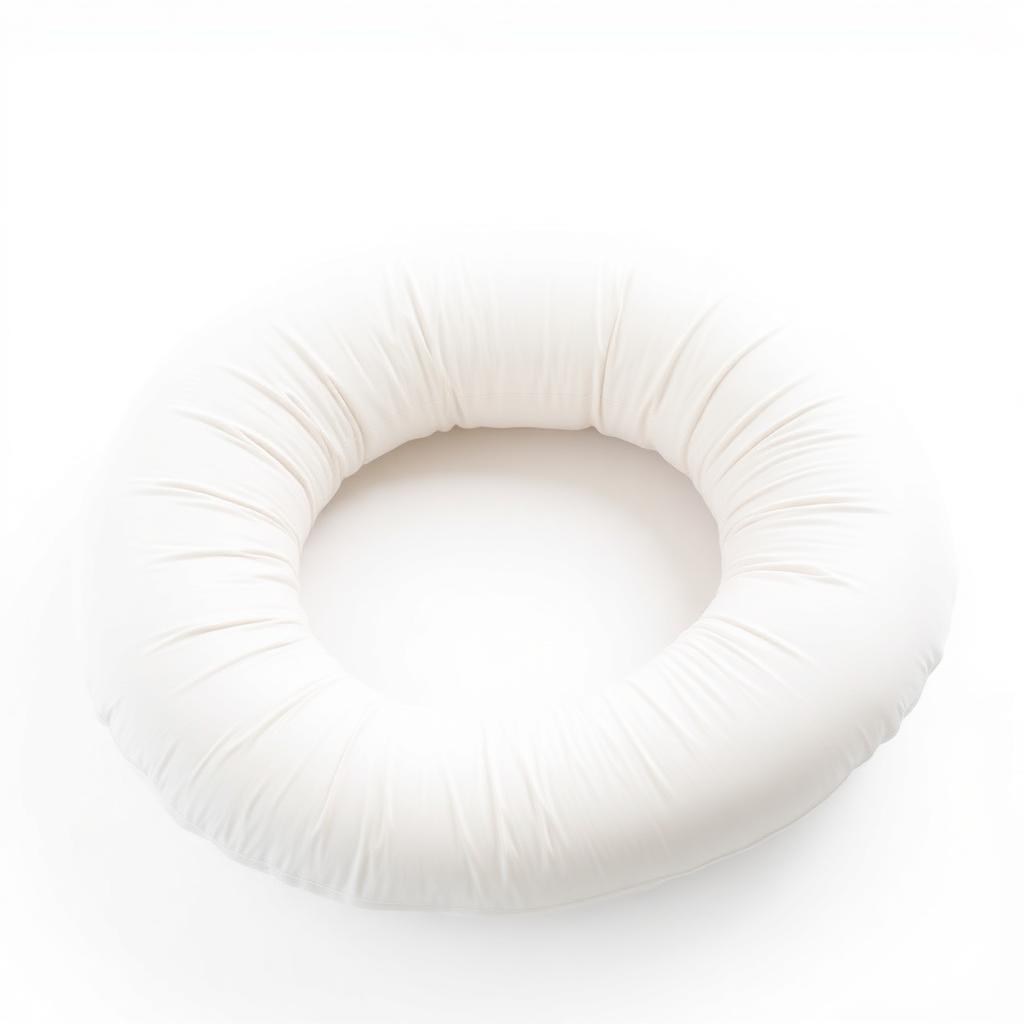
PharMeDoc U-Shaped Pregnancy Pillow
Pregnancy and side sleepers who want full-body support
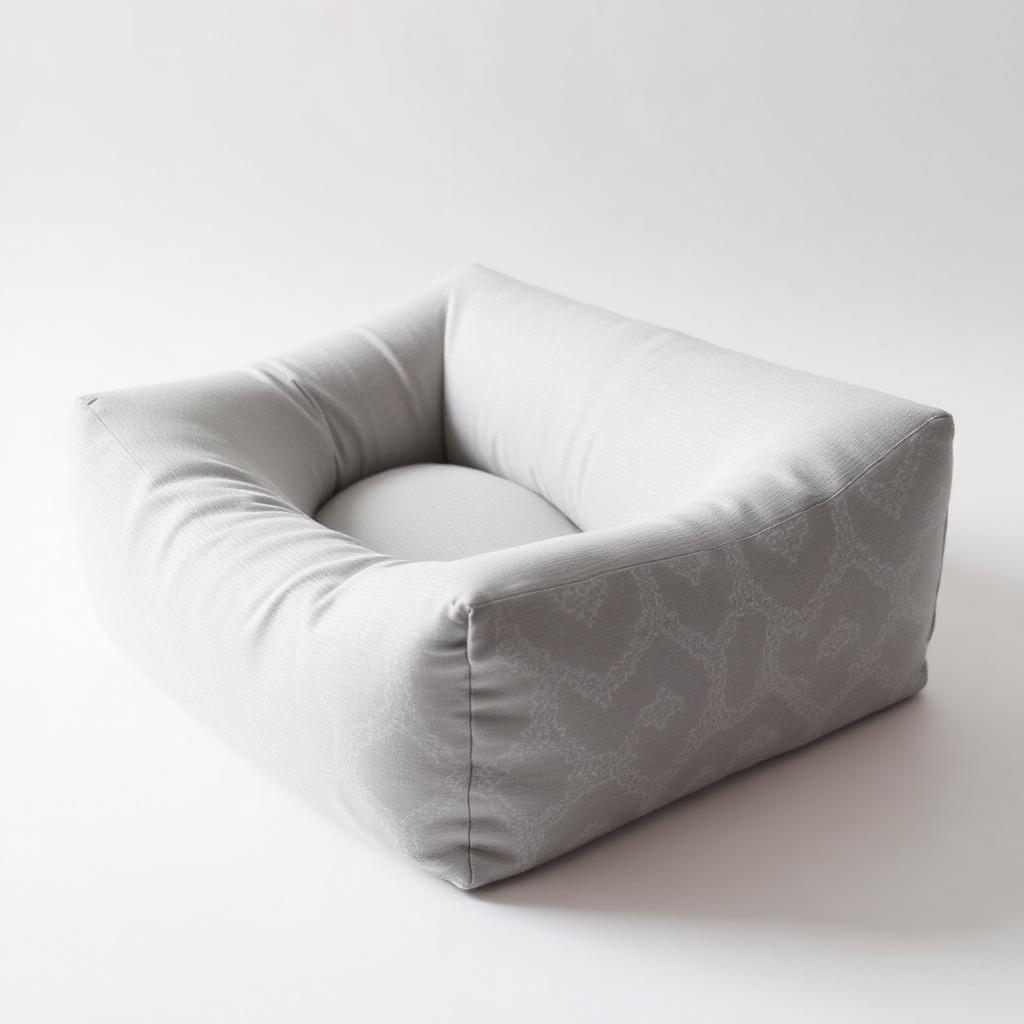
Boppy Side Sleeper Pregnancy Pillow
Smaller beds and second- or third-trimester bump support
FAQ
Can you use a pregnancy pillow in the first trimester?
Yes. There is nothing to wait for — it is just that in the first trimester the benefit is hip and back comfort rather than bump support, so a wedge or knee pillow usually does the job a full U would.
Is 12 weeks too early for a pregnancy pillow?
Not at all. Many people start around then to establish side sleeping before it becomes uncomfortable, particularly if they normally sleep on their front or back.
When should you stop sleeping on your back in pregnancy?
Side sleeping is commonly advised from around the second trimester onwards, but the specifics vary by pregnancy — ask your midwife or doctor rather than following a general rule.
How long will I use a pregnancy pillow after birth?
Many people keep one for months. U and C shapes support feeding positions and side-lying recovery, and a body pillow remains useful for any side sleeper.
Keep reading
Find the Right Pillow for Your Sleep Style
Get a tailored shortlist based on sleep position, shoulder fit, desired loft and materials using our free Pillow Finder.
Start the Free Pillow Finder →Instant recommendations, no email or signup required. We may earn commissions on some buying links.
Affiliate disclosure: Mr. Squish may earn a commission when you buy through links on this page. Recommendations are based on independent product research; any hands-on test is labelled separately. Learn more.