
Best Pillows for Scoliosis
Standard pillow advice assumes a symmetrical spine, so with scoliosis the usual rules only get you part of the way. No pillow corrects a curve, and anything claiming otherwise is overstating what bedding does. What equipment can do is reduce sustained strain: keep the neck from being bent one way all night, and stop the trunk rotating. That usually means an adjustable head pillow you can experiment with, support between or under the knees, and a full-length body pillow to hold the trunk steady. The picks below were selected on adjustability and positional support from manufacturer specifications and verified owner feedback. These are research picks. We have not physically tested these products, and positioning advice from your physiotherapist or orthopaedic team overrides everything here.
These picks are based on manufacturer specifications and our research, not hands-on testing. See how we test pillows
Quick picks
| Pillow | Best for | Score | |
|---|---|---|---|
| Coop Home Goods Original | Side and back sleepers who want to dial in loft | 9.4 | Review |
| Coop Home Goods Body Pillow | Side sleepers, pregnancy, and hip alignment | 8.9 | Review |
| Saatva Latex Pillow | Back and side sleepers who want bouncy, cool support | 9.0 | Review |
| Everlasting Comfort Knee Pillow | Side sleepers who want a strapped-in knee pillow that stays put | 8.4 | Review |
| ZAMAT Original Cervical Pillow | Side sleepers with morning neck stiffness | 9.2 | Review |
Coop Home Goods Original
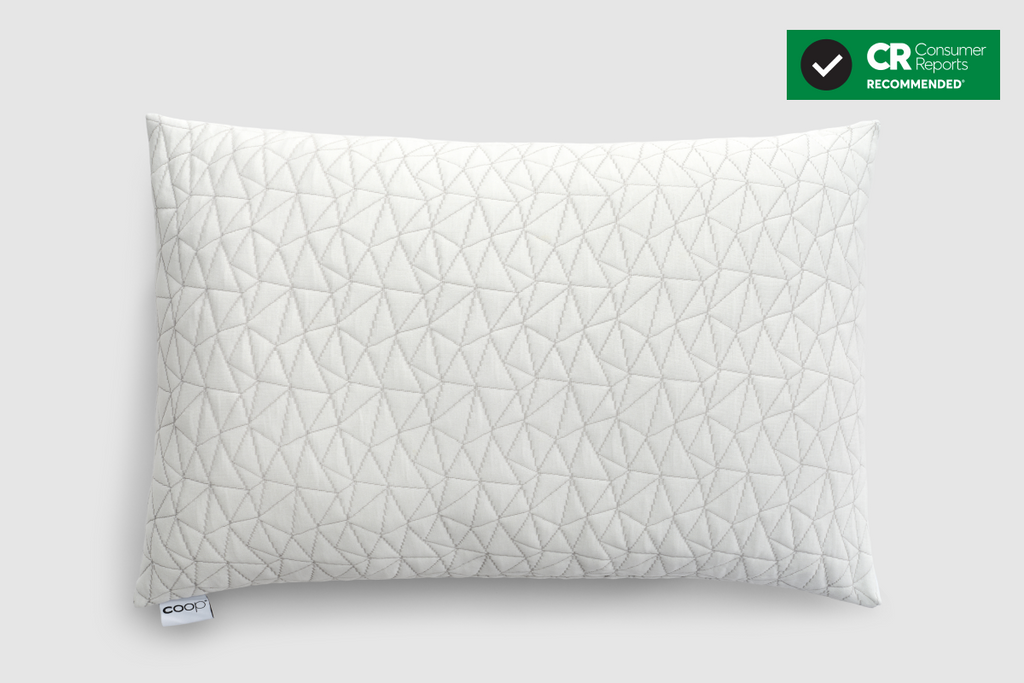
A widely reviewed adjustable pillow with a shredded memory foam and microfiber blend you can add to or remove until the loft suits you.
Verified specs: Cross-cut shredded memory foam + microfiber blend fill · Roughly 3–6 in, fully adjustable loft · medium feel · adjustable fill · 100 nights trial · 5 years warranty.
Research pick — based on manufacturer specifications and our research.
Coop Home Goods Body Pillow
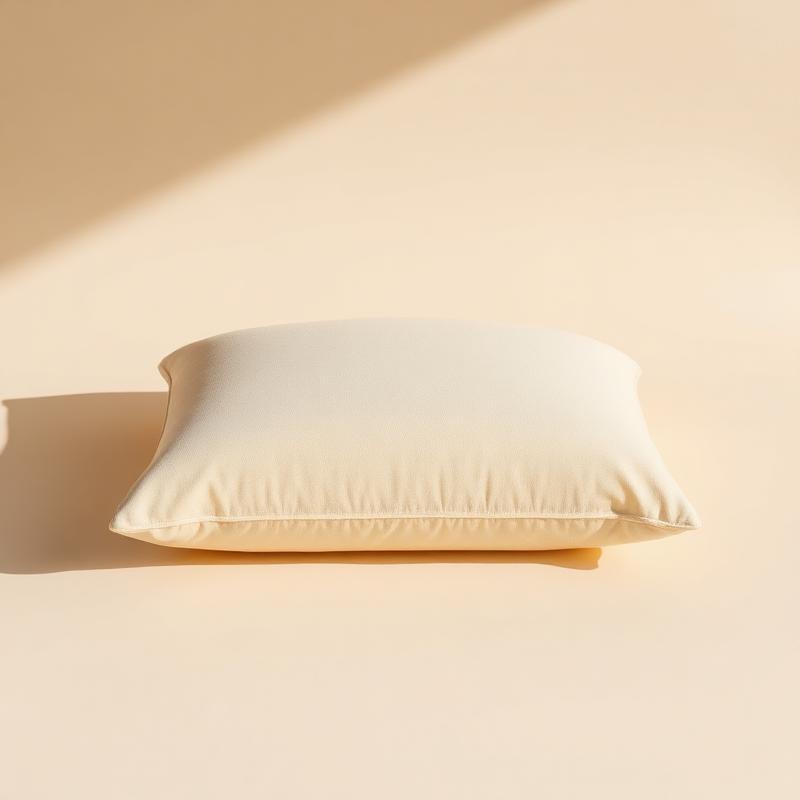
A long adjustable shredded-foam bolster you hug and tuck between your knees. It stops your top hip from rolling forward, which is the quiet cause of a lot of side-sleeper back pain.
Verified specs: Cross-cut shredded memory foam + microfiber fill · Adjustable firmness via fill loft · medium feel · adjustable fill · 100 nights trial · 5 years warranty.
Research pick — based on manufacturer specifications and our research.
Saatva Latex Pillow
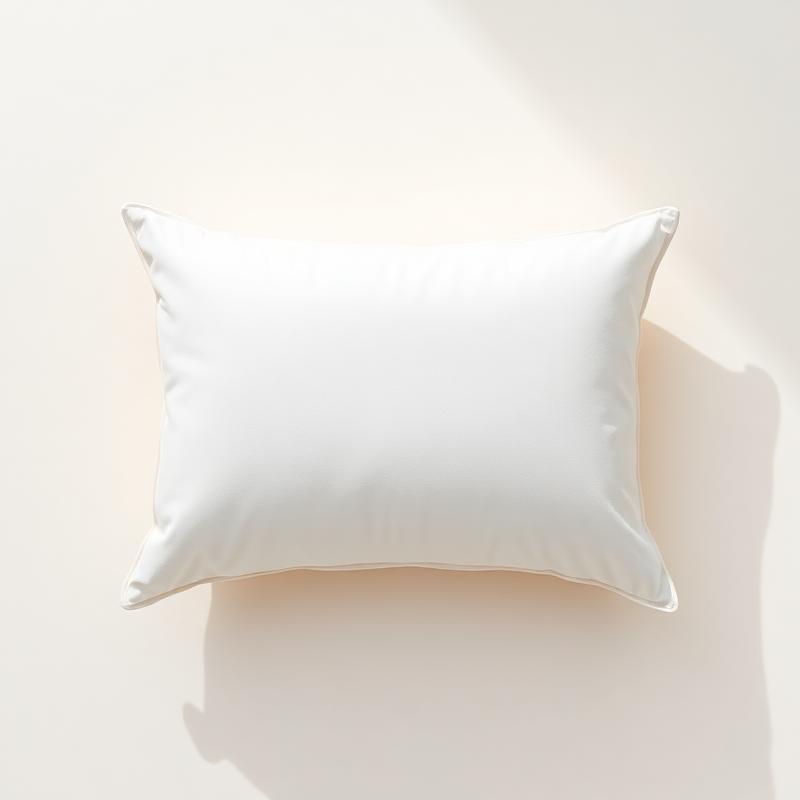
A shredded Talalay latex core wrapped in an organic cotton pillow-top. Its open, responsive construction is designed for more airflow than dense memory foam.
Verified specs: Shredded natural latex core + microdenier fiber pillow fill · Standard or high loft loft · medium feel · 45 nights trial · 1 year warranty.
Research pick — based on manufacturer specifications and our research.
Everlasting Comfort Knee Pillow

An hourglass memory foam knee pillow with an adjustable leg strap so it stays aligned even when you roll over at night.
Verified specs: Solid memory foam fill · medium feel · adjustable fill.
Research pick — based on manufacturer specifications and our research.
ZAMAT Original Cervical Pillow
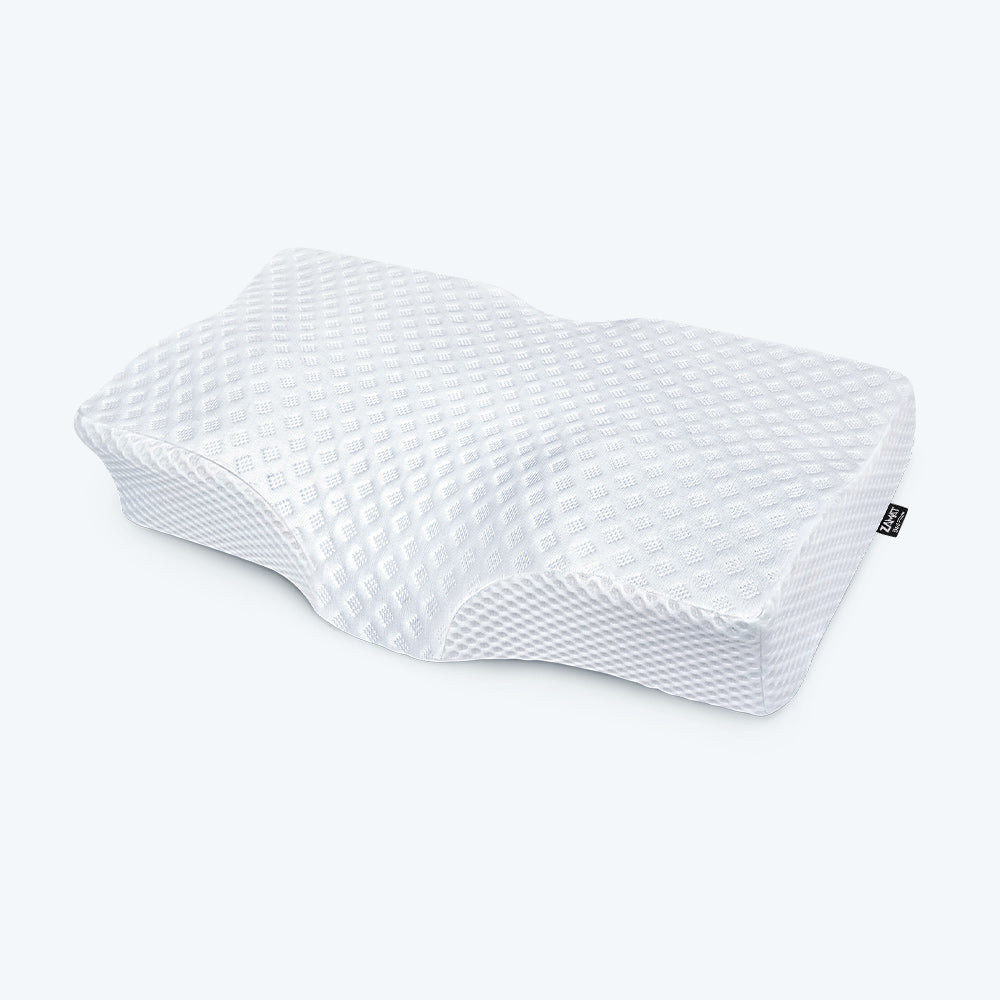
A contoured cervical pillow with an adjustable insert and a shoulder-notch design that keeps side sleepers' necks neutral all night.
Verified specs: Contoured memory foam with removable height insert fill · Adjustable via insert, roughly 3.5–5 in loft · medium feel · adjustable fill · 100 nights trial · 10 years warranty.
Research pick — based on manufacturer specifications and our research.
Ready to give it a squish?
Our highest-rated research pick for this category.
Buying guide
Your comfort outranks the chart
Standard alignment advice assumes a symmetrical spine. With a curve, what feels neutral to you and your physiotherapist's guidance come first.
Support the trunk, not just the head
Knee pillows, a small waist support, and full-length body pillows do more to stop overnight twisting than the head pillow alone.
Adjustability for experimenting
Expect to try several heights and arrangements, which is much easier with a pillow whose fill you can change.
No pillow corrects a curve
Bedding is positioning equipment. Curve management is clinical — monitoring, physiotherapy, bracing, or surgery.
Why alignment advice gets complicated with a curve
Standard pillow guidance assumes a symmetrical spine, so it tells you to keep the head level with a straight neck. With scoliosis, the spine is not symmetrical, and a setup that looks neutral from outside may not feel neutral to you. This is one category where your own comfort and your physiotherapist's guidance outrank generic rules.
What still holds is the principle: the goal is to reduce sustained strain, not to correct a curve. A pillow cannot straighten a spine, and any product suggesting otherwise is overstating what bedding does. What it can do is stop the neck being bent in one direction for eight hours and stop the trunk twisting.
What to look for
Adjustability again leads, because the right head height may be asymmetric to what a chart predicts, and you will likely need to experiment. Shredded fills let you shift fill volume as well as amount, which some people use to support one side slightly more than the other.
Positional support around the trunk often matters more than the head pillow. Side sleepers commonly do better with a pillow between the knees and, for some, a small pillow supporting the concavity of the curve at the waist. Back sleepers sometimes need support under the knees to settle the lower back. Full-length body pillows help stop the trunk rotating overnight.
Work with your clinician
Scoliosis care is individual, especially for adolescents in growth, anyone in a brace, and anyone post-surgery. Positioning advice from your physiotherapist or orthopaedic team should override anything here, and a brace protocol may dictate your sleeping arrangements entirely.
Use this page as an equipment shortlist to discuss, not a treatment plan. Increasing pain, new numbness or weakness, or a visible change in the curve should go to a clinician promptly.
FAQ
Keep reading
Affiliate disclosure: Mr. Squish may earn a commission when you buy through links on this page. Affiliate relationships never determine our scores or rankings — see how we test.