
Protect the mask seal
Cutouts and shaped edges can leave room for full-face and nasal masks when side sleeping.
Pillow feature guide
CPAP pillows use shaped edges, side cutouts, or adjustable loft to create room for a mask and hose. They can improve positioning comfort, but they do not replace prescribed equipment, settings, or clinical guidance.
Start with the fundamentals
Cutouts and shaped edges can leave room for full-face and nasal masks when side sleeping.
Check where your hose exits and whether the pillow leaves it free to move when you turn.
A pillow is a positioning accessory, not a treatment or a reason to change prescribed CPAP settings.
Research shortlist
These are research picks based on manufacturer specifications, documentation, and owner-feedback patterns—not hands-on testing.
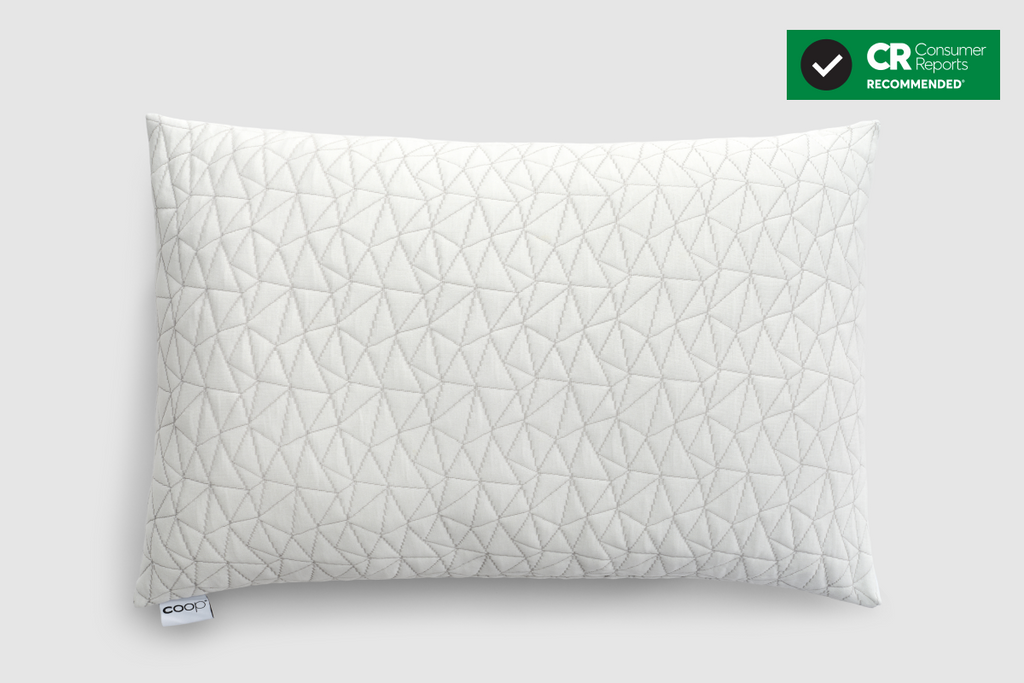
Best for: Side and back sleepers who want to dial in loft
A widely reviewed adjustable pillow with a shredded memory foam and microfiber blend you can add to or remove until the loft suits you.
Read Review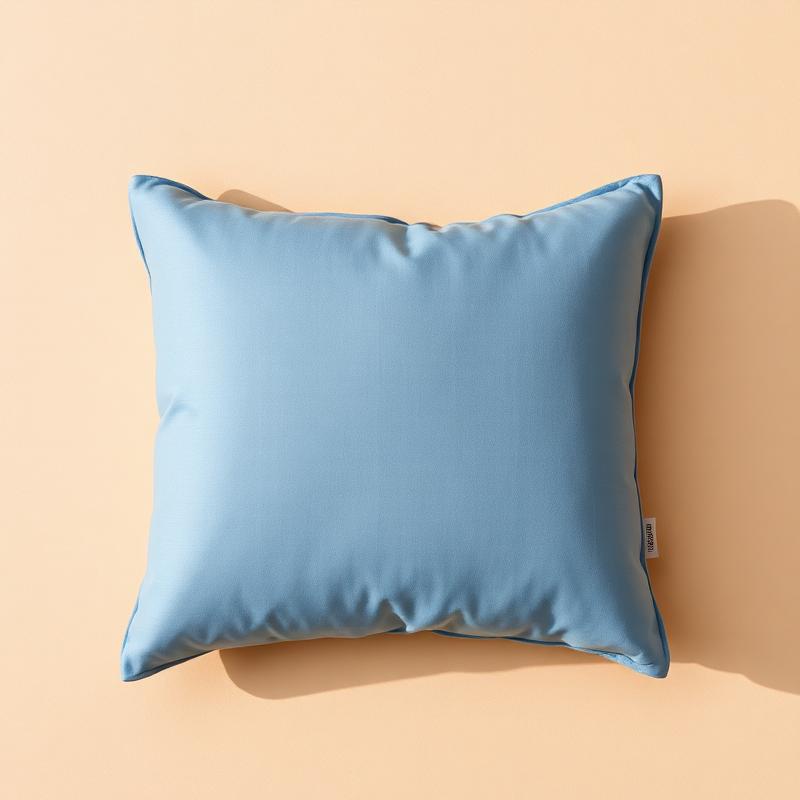
Best for: Hot sleepers who want firm, moldable support
Organic cotton twill filled with buckwheat hulls. It holds whatever shape you push it into, breathes better than any foam, and lasts for a decade — but it rustles.
Read Review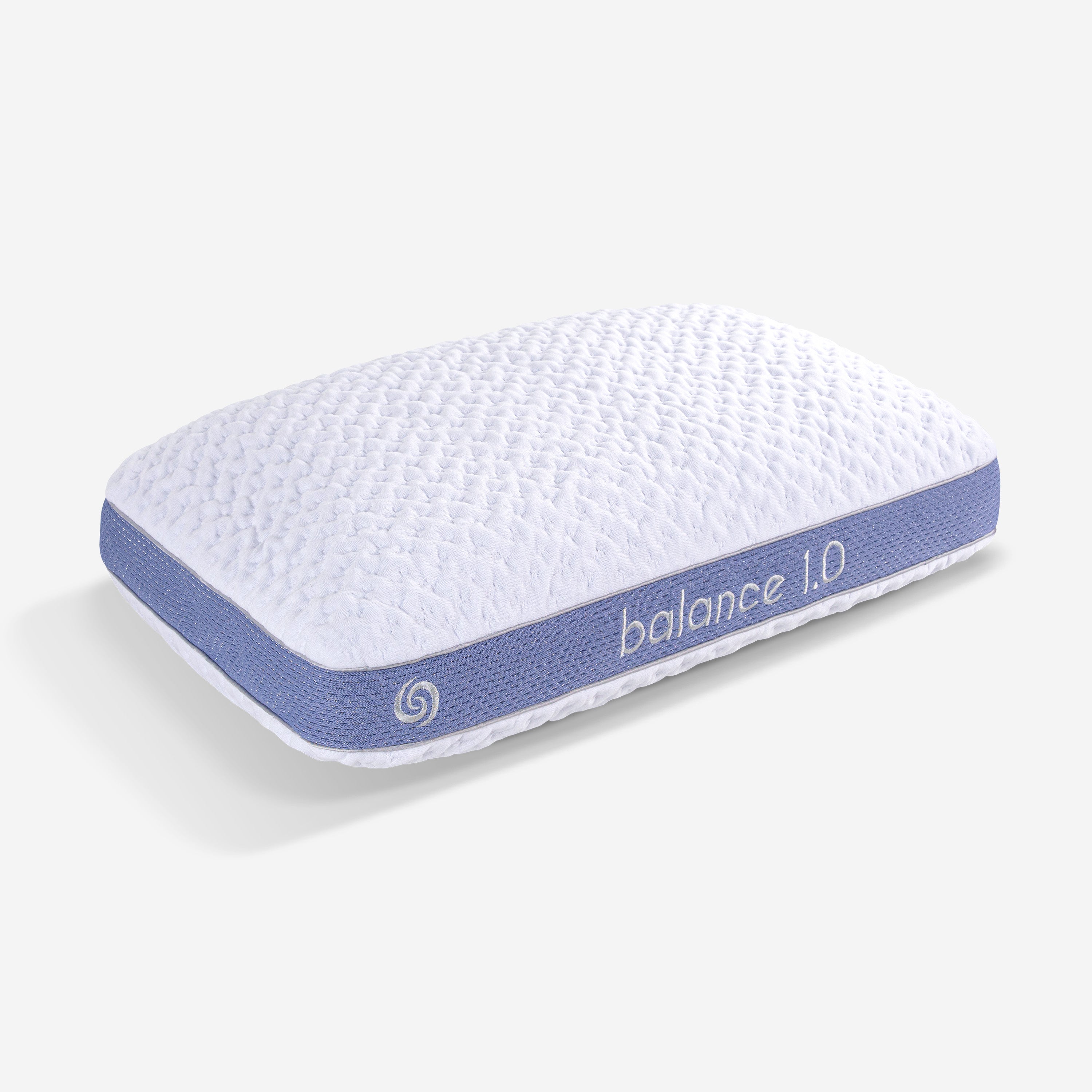
Best for: Hot sleepers who want hypoallergenic + breathable
A performance pillow with moisture-wicking Ver-Tex cover and breathable ventilated core. Hypoallergenic and built for airflow.
Read ReviewStep-by-step positioning for U-shaped, C-shaped, and wedge pregnancy pillows — how to sleep with one on your side, and the mistakes that leave you sore.
One pillow under your head is right for almost everyone — but the pillows you add elsewhere matter more than the ones you stack. Here is the count by sleep position.
Sleep position, loft, fill, firmness, and size — the five decisions that determine whether a pillow works for you, in the order you should make them.