
How to Use a Pregnancy Pillow
A pregnancy pillow only works if it does three jobs at once: fills the gap under your bump, keeps your top knee from dropping forward, and stops you rolling onto your back overnight. Most people buy the right pillow and then use it like a big regular pillow, which is why it feels bulky instead of supportive. This guide walks through the actual positioning for each shape, how to sleep with one through the night, and what to change if you still wake up with hip or back pain.
In this guide
The three jobs a pregnancy pillow has to do
Before the specifics, know what you are aiming for. Once you can feel these three things, any shape can be made to work.
- Belly support: something firm enough under the bump that your abdomen is not hanging toward the mattress and pulling your lumbar spine into a twist.
- Knee separation: your top leg supported at hip height so your pelvis stays level rather than rotating forward.
- Back blocking: bulk behind you so that when you shift in your sleep you land in a supported half-tilt instead of flat on your back.
How to position a U-shaped pillow
A U-shape is the easiest to use because it does all three jobs without being repositioned when you turn over. Lay the closed curve above your head like a headboard, with one leg of the U running down each side of your body.
Lie on your side inside the U. Rest your head on the curved top, hug the front leg of the U with your top arm, and pull the lower part of that same front leg up between your knees. The rear leg of the U sits along your spine and is what stops you rolling onto your back. To switch sides, stay inside the pillow and simply roll — the U supports both directions, which is its main advantage at 3 a.m.
If the U feels too tall under your head, slide your head slightly lower onto the flat of the curve rather than adding a second pillow. Stacking is what creates the chin-to-chest angle that causes morning neck ache.
How to position a C-shaped or J-shaped pillow
A C-shape is a compromise for smaller beds and partners who need the space. Position the top curve under your head and neck, the long body of the C down your front, and the bottom curve tucked up between your knees.
Used this way you get belly support and knee separation but no back block, so add a folded blanket or a standard pillow behind your lower back if you tend to roll. To swap sides you have to turn the whole pillow around, which is the trade-off for the smaller footprint.
How to position a wedge
A wedge is the most targeted and least intrusive option, and it is the one most people underuse. Tuck it under the side of your bump — not directly under your belly — with the thick edge toward the mattress edge so it props the abdomen up and inward rather than lifting it.
A second wedge behind your lower back turns a wedge into a back-blocker. Wedges also work under the knees when you need a short spell on your back in early pregnancy, and against the headboard for propped-up sitting when reflux kicks in later on.
Sleeping through the night with one
The first two or three nights with a full-length pillow usually feel worse, not better, because the bulk changes how you turn. Give it a week before deciding it is wrong for you.
- Aim for a slight tilt rather than a perfect 90-degree side position — most people sleep better rolled about 20 to 30 degrees forward onto the pillow.
- Keep your top knee at hip height, not higher. A knee lifted above the hip re-creates the pelvic rotation you are trying to prevent.
- If you wake with a numb bottom arm, your head loft is too low; slide the arm forward under the pillow rather than under your head.
- Waking on your back happens to everyone and is not a cause for panic — reposition and go back to sleep. Talk to your midwife or doctor about position advice for your pregnancy.
- Use a removable, washable cover. Overnight sweating increases in pregnancy and covers need washing far more often than you expect.
Common mistakes
Almost every complaint about pregnancy pillows traces back to one of these.
- Using it as a head pillow only, so the bump and knees get nothing.
- Adding a regular pillow on top of the U's head curve, which doubles the loft and strains the neck.
- Buying a full U for a shared queen bed — the footprint pushes a partner off the edge, and a C-shape or wedge suits that situation better.
- Skipping knee separation because the top leg feels fine at lights-out; hip pain shows up around hour four.
- Choosing a solid one-piece foam body pillow in a hot climate. Shredded fill and a breathable knit cover run noticeably cooler wrapped against your whole torso.
Pillows we recommend for this
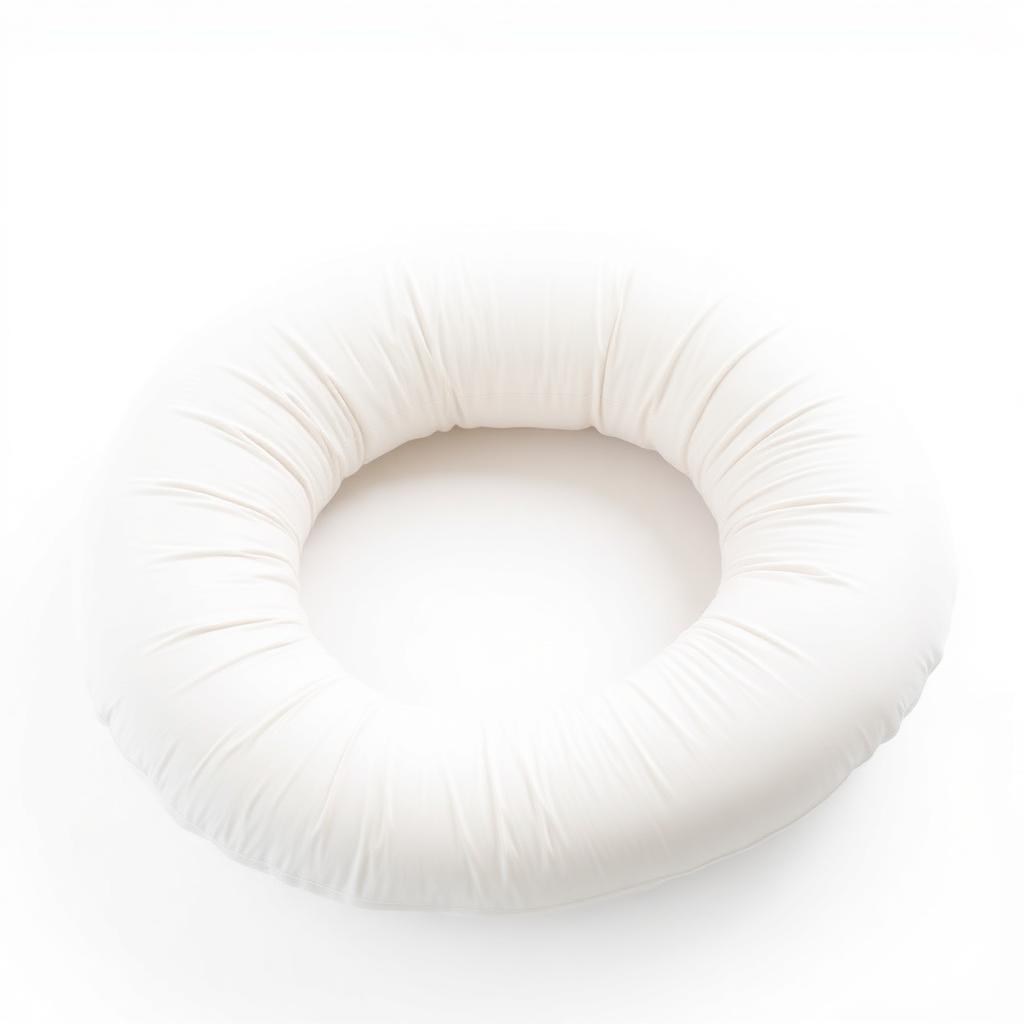
PharMeDoc U-Shaped Pregnancy Pillow
Pregnancy and side sleepers who want full-body support
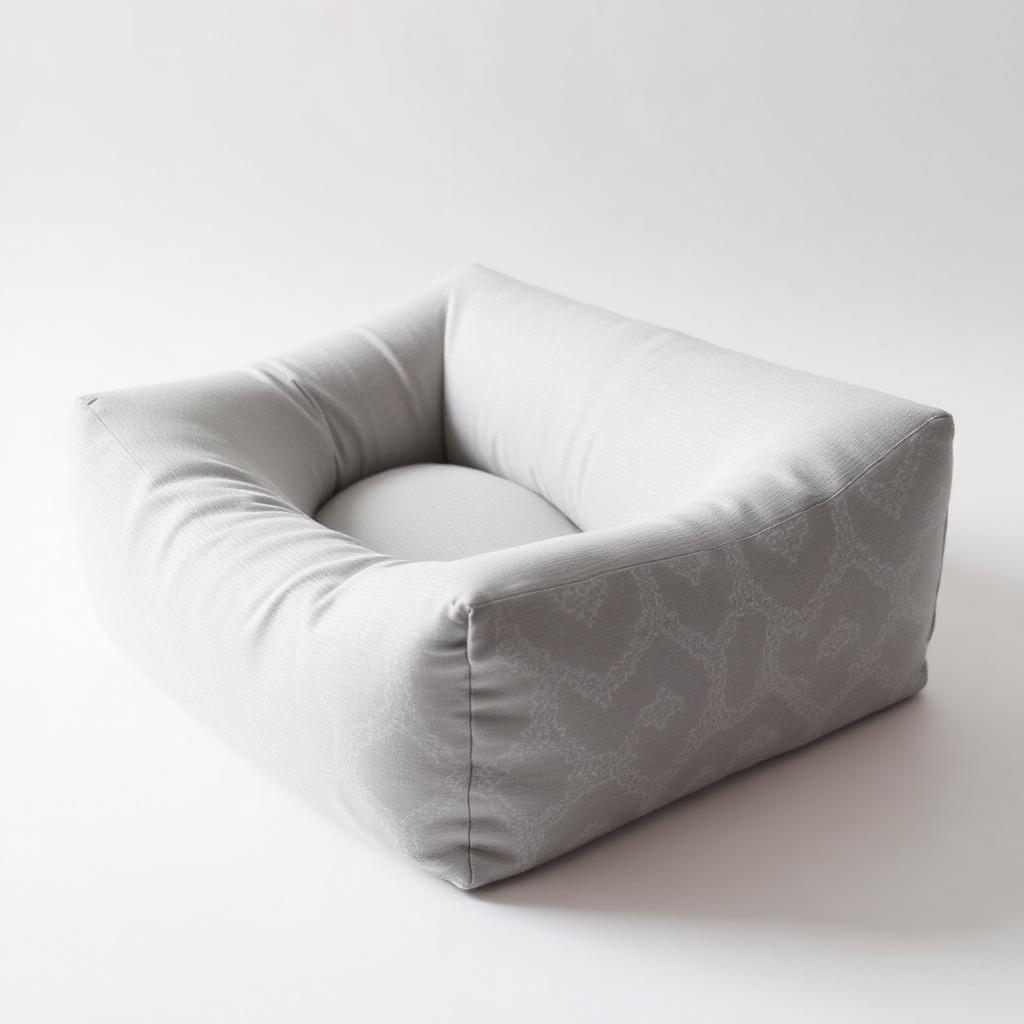
Boppy Side Sleeper Pregnancy Pillow
Smaller beds and second- or third-trimester bump support
FAQ
Which way round does a U-shaped pregnancy pillow go?
The closed curve goes above your head, with the two open legs running down either side of your body. You lie inside it, hugging one leg and putting the lower part of that leg between your knees, with the other leg supporting your back.
Do you put a pregnancy pillow between your legs or under your belly?
Both, at the same time. That is the whole point of the full-length shapes: the middle section supports the bump while the bottom section separates the knees. With a wedge, use one under the side of the bump and a regular pillow between the knees.
Can you use a pregnancy pillow on your back?
You can prop a wedge under your knees or behind your shoulders for short periods, but side sleeping is the position generally recommended in later pregnancy. Follow your midwife or doctor's advice for your own pregnancy.
Can I keep using a pregnancy pillow after birth?
Yes — U and C shapes are widely used for feeding support and for post-caesarean side-lying comfort, and a body pillow stays useful for side sleepers indefinitely.
Keep reading
Find the Right Pillow for Your Sleep Style
Get a tailored shortlist based on sleep position, shoulder fit, desired loft and materials using our free Pillow Finder.
Start the Free Pillow Finder →Instant recommendations, no email or signup required. We may earn commissions on some buying links.
Affiliate disclosure: Mr. Squish may earn a commission when you buy through links on this page. Recommendations are based on independent product research; any hands-on test is labelled separately. Learn more.