
How to Sleep in a Car
Sleeping in a car falls into two very different categories, and mixing them up is what makes people uncomfortable. A roadside nap on a long drive is a short, seated sleep where the only real problem is head support. An overnight car camp is a flat-ish sleep where the problems are temperature, ventilation, and the shape of the surface underneath you. This guide covers both, plus the safety basics worth getting right before you close your eyes.
In this guide
Park somewhere legal and lit
Rules vary widely by country, state, and city, and some places prohibit overnight sleeping in a vehicle entirely. Rest areas, truck stops, and campgrounds are the usual sanctioned options; check local signage and regulations before you settle in.
- Level ground — sleeping on a slope pools blood in your head or slides you off the seat all night.
- Lit and populated beats hidden and dark for both safety and the odds of being asked to move.
- Lock the doors, keep keys within reach, and leave a window cracked for airflow.
- Never run the engine to stay warm while you sleep. Carbon monoxide risk is real and it does not announce itself.
The seated nap setup
For a twenty-to-ninety minute nap in the driver or passenger seat, the whole job is stopping your head from falling. Recline the seat as far as space allows, then support the sides of your neck rather than the back of your head.
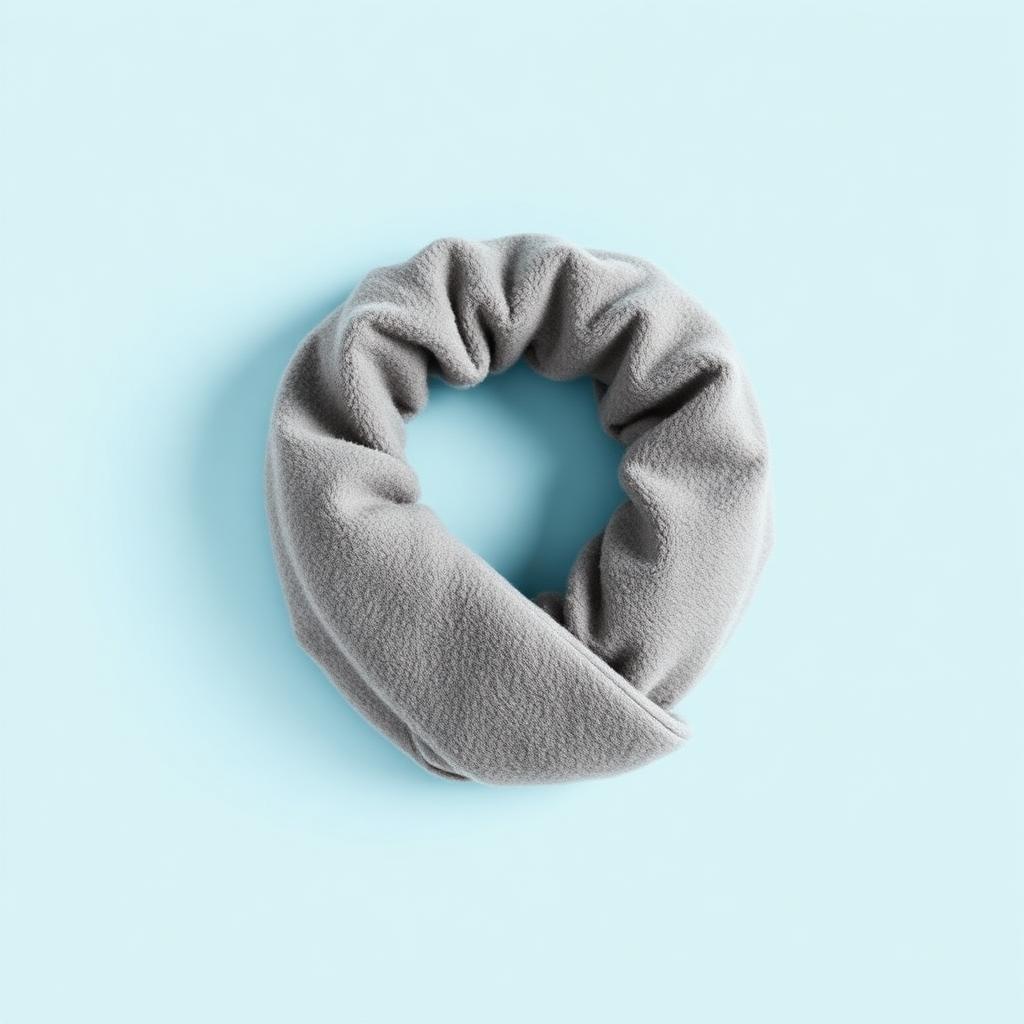
- Use a wrap or U-shaped travel pillow, not a bed pillow — a bed pillow pushes your head forward.
- Roll a jacket into the small of your back so the lumbar curve is filled.
- Slide the seat back and let your knees bend; straight legs in a reclined seat strain the lower back.
- Set an alarm before you drift off, and give yourself ten minutes after waking before driving.
The overnight setup
If the back seats fold, the aim is a continuous flat surface. Most fold-flat rows leave a hump or a gap, and that gap is what wakes you at three in the morning. Fill it before you lie down rather than after.
- A closed-cell foam pad or self-inflating mat over the seat gaps, then a sleeping bag or duvet on top.
- A compressible or inflatable camp pillow at the right loft for your sleep position — side sleepers still need more height than back sleepers, even in a car.
- Two cracked windows on opposite sides for cross-ventilation, with mesh or screens if bugs are a problem.
- Window covers or a sunshade for privacy and for keeping early light out.
Temperature is the thing that wakes you
A car has almost no insulation, so it tracks the outside temperature within an hour or two of the engine going off. Cold is the more common problem, and it usually arrives around 3am when body temperature is at its lowest. Insulate from below first — the seat or floor pulls heat out of you faster than the air does.
Protect your neck and back
Most road trip stiffness comes from sleeping with the head unsupported and the spine twisted. Whichever setup you use, aim for the same thing a bed aims for: ear, shoulder, and hip roughly in line, with the gap under your neck filled and nothing forcing your chin toward your chest.
Pillows we recommend for this

FAQ
Is it safe to sleep in a car with the windows closed?
You will not run out of oxygen in a normal car overnight, but condensation and stuffiness build up quickly. Cracking two windows slightly is more comfortable and keeps the glass clear.
Can I leave the car running for heat?
No. Running the engine while you sleep carries a genuine carbon monoxide risk, especially in enclosed or snow-blocked conditions. Use bedding and insulation instead.
What pillow is best for sleeping in a car?
For seated naps, a wrap or U-shaped travel pillow that supports the sides of the neck. For lying flat in the back, a compressible camp pillow at a loft that matches your sleep position.
Is sleeping in a car legal?
It depends entirely on where you are. Many rest areas and truck stops allow it, many city streets and car parks do not. Check local signs and rules first.
How do I stop waking up with a stiff neck after sleeping in the car?
Support the sides of your neck rather than the back of your head, avoid letting your chin drop to your chest, and keep the nap under ninety minutes if you are seated upright.
Keep reading
Find the Right Pillow for Your Sleep Style
Get a tailored shortlist based on sleep position, shoulder fit, desired loft and materials using our free Pillow Finder.
Start the Free Pillow Finder →Instant recommendations, no email or signup required. We may earn commissions on some buying links.
Affiliate disclosure: Mr. Squish may earn a commission when you buy through links on this page. Recommendations are based on independent product research; any hands-on test is labelled separately. Learn more.