
How to Sleep With Ear Pain (and What CNH Actually Is)
Waking up with a sore, red, or tender ear is one of the most specific sleep problems there is. The cause is almost always pressure: your ear is pressed between your head and a standard pillow for hours at a time. For most people that is just uncomfortable. For anyone with chondrodermatitis nodularis helicis (CNH), a recent ear piercing, ear surgery, or an ear infection, it can be the reason you cannot sleep through the night. The good news is that the fix is usually mechanical: change how the pillow contacts your ear. This guide covers what CNH is, why standard pillows make it worse, and the simplest ways to sleep without crushing your ear.
In this guide
What is CNH?
Chondrodermatitis nodularis helicis, or CNH, is a benign but painful inflammatory condition that creates a small tender nodule on the ear cartilage. It most often appears on the side of the ear that presses into the pillow. The nodule can be red, scaly, or even crusted, and it hurts when anything touches it.
CNH is sometimes called a pressure sore of the ear because that is exactly what triggers it. Side sleepers are the most common sufferers because one ear is loaded against the pillow all night. Older adults are more likely to develop it, but it can happen to anyone whose ear cartilage is repeatedly compressed.
Why a normal pillow makes ear pain worse
A standard pillow has no place for your ear. When you lie on your side, the entire weight of your head presses your ear flat against a firm surface. Over six to eight hours, that pressure restricts blood flow, irritates the cartilage, and keeps any existing sore from healing.
The problem is worse with dense memory foam or firm latex because those materials do not let the ear sink in. Down and polyester are softer, but they still press the ear against the head. What actually helps is creating a void where the ear can sit without contact.
Pillow solutions that actually work
There are three practical ways a pillow can remove ear pressure. Each has trade-offs.
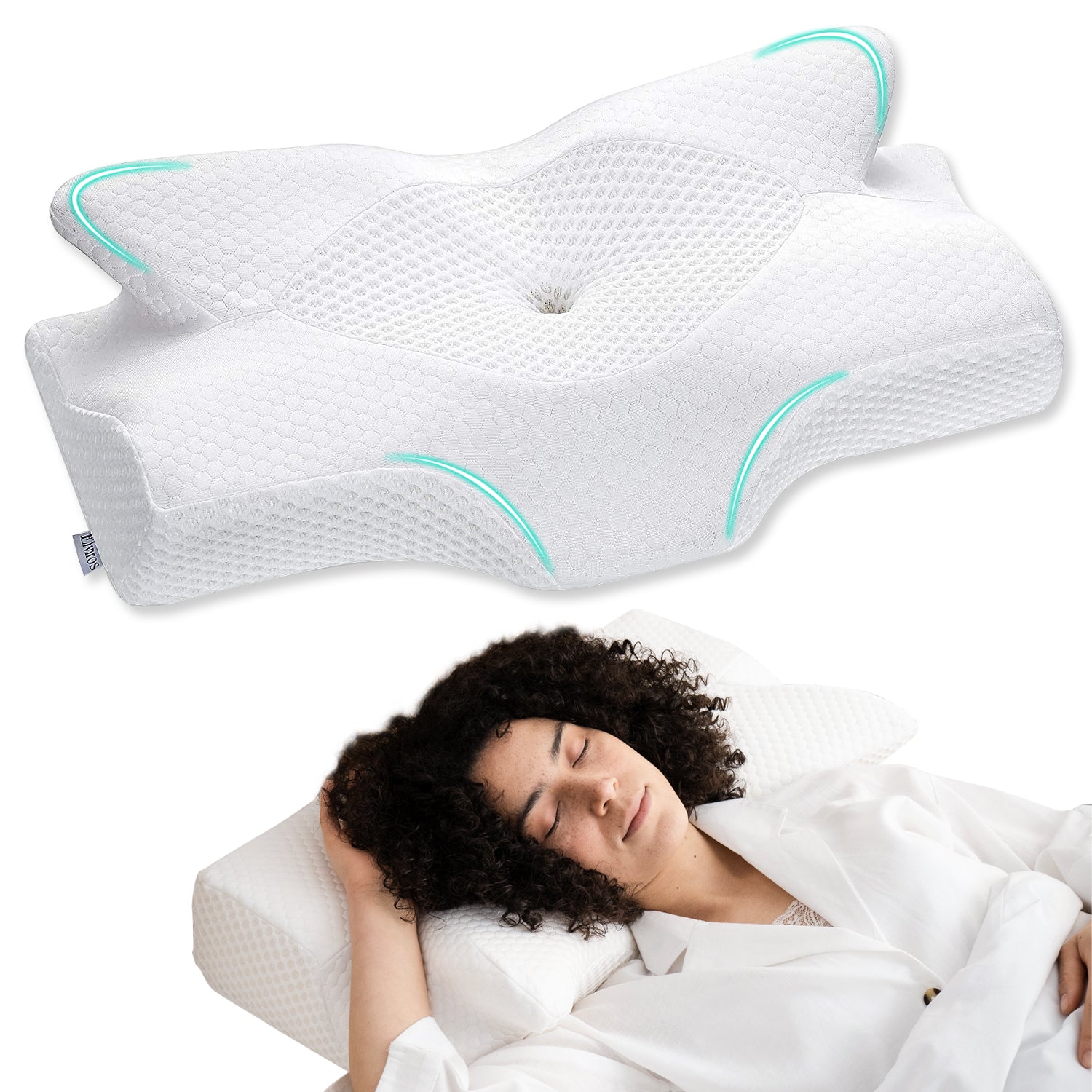
- Ear-hole pillow — a pillow with a centered hole that suspends the ear in open air. This is the most direct solution for CNH and ear surgery recovery.
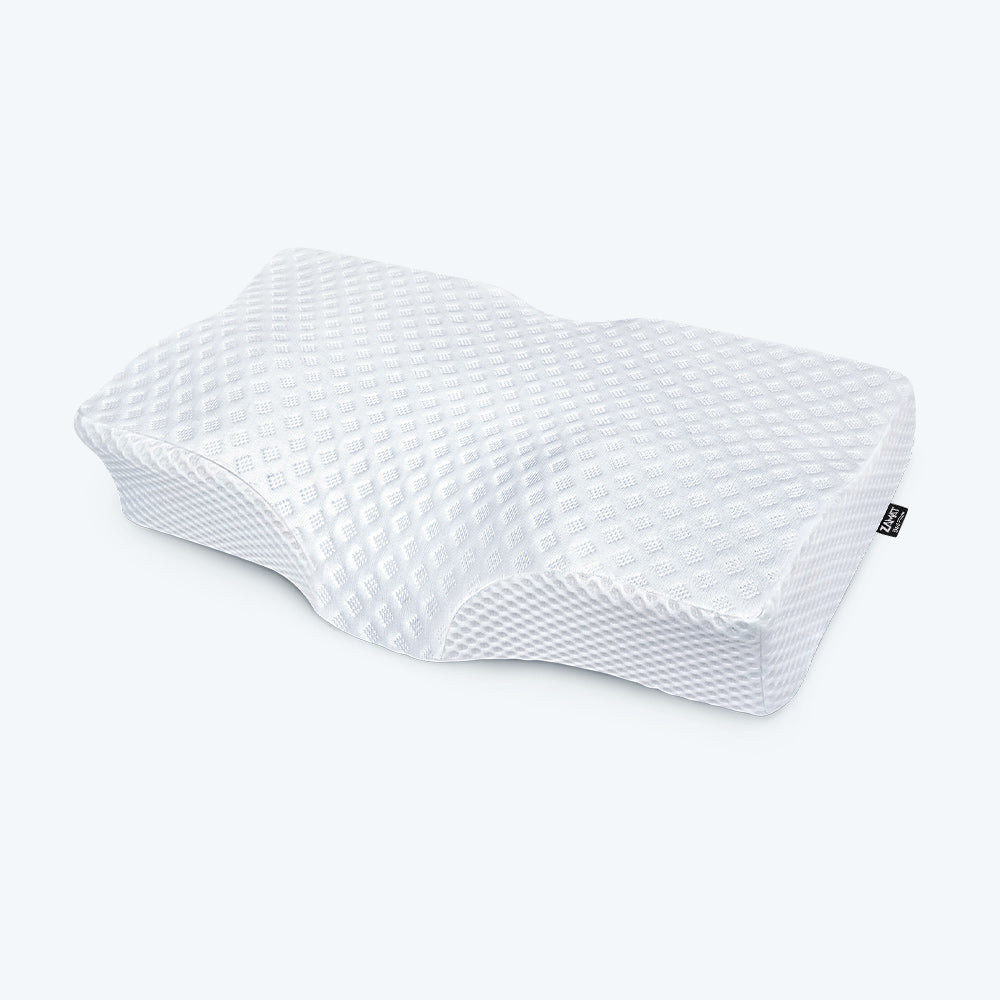
- Contoured cervical pillow with a shoulder notch — the notch creates extra space around the ear and shoulder, reducing pressure even though there is no dedicated hole.
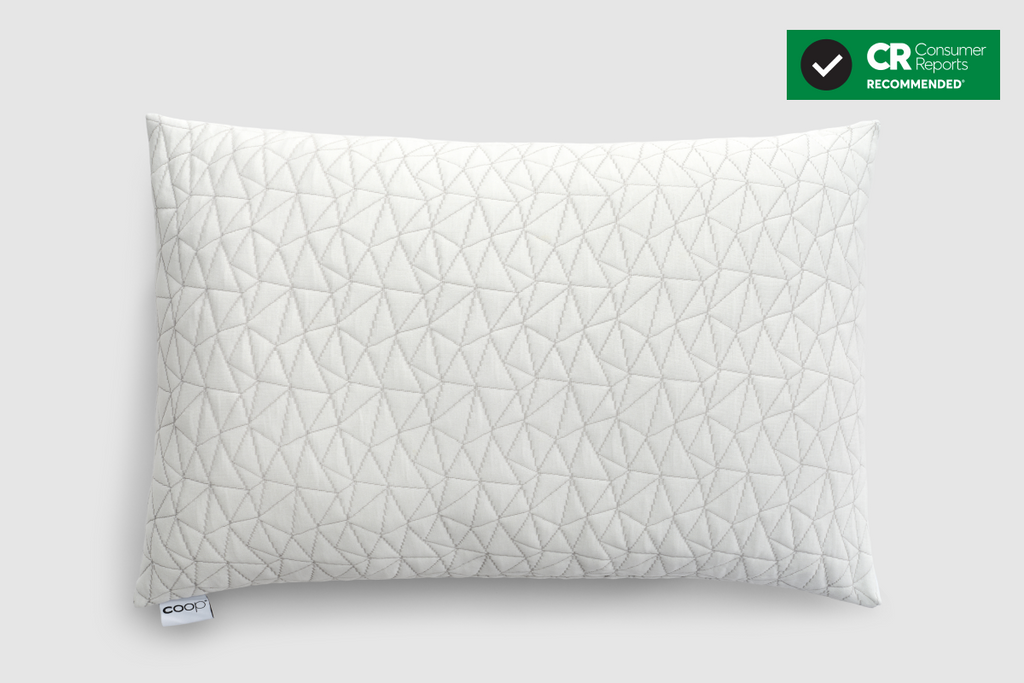
- Adjustable shredded-foam pillow — you can shape the fill to create a small crater under your ear while keeping support under your neck.
- DIY donut or travel pillow — in a pinch, a soft travel pillow with a center opening can keep the ear free, though neck support will be poor.
Sleep positions and habits that help
Pillows help, but position matters too.
- Sleep on the unaffected ear if only one side is sore.
- Back sleeping removes all ear pressure, though it is not practical for everyone.
- Avoid headphones, earbuds, and large earrings in bed.
- Keep nails short so you are not tempted to scratch or pick at the nodule.
- See a dermatologist if the sore bleeds, crusts, or does not improve after two weeks of pressure relief.
When to see a doctor
A pillow can relieve pressure, but it cannot diagnose or cure CNH. See a clinician if you notice a new or changing growth on the ear, if the sore does not heal after removing pressure for several weeks, or if the pain is severe enough to disrupt daily life. A dermatologist can confirm the diagnosis and discuss treatments such as topical medications, injections, or minor procedures if needed.
Pillows we recommend for this

SleepEasy Side Sleeper CNH Pillow with Ear Hole
Side sleepers with CNH, ear surgery recovery, or ear cartilage pain
FAQ
What kind of pillow is best for ear pain?
A pillow with an ear hole or cut-out is best because it removes direct pressure from the cartilage. Contoured cervical pillows and adjustable shredded-foam pillows can also help by creating space around the ear.
Can a pillow cure CNH?
No. A pillow cannot cure CNH, but removing pressure is one of the most important parts of managing it. Many people find the sore heals once they stop pressing on it all night.
Is it safe to sleep on an ear piercing?
Fresh piercings should avoid pressure while healing. An ear-hole pillow or a travel pillow can keep the piercing from being pressed against a standard pillow.
Can I just cut a hole in my current pillow?
You can try, but it is hard to keep the hole open and supportive around the edges. A purpose-built ear-hole pillow holds its shape and supports your head better than a DIY version.
How long does it take for CNH to improve with a new pillow?
Many people notice less pain within a few nights, but the skin lesion itself can take several weeks to heal because cartilage has limited blood supply.
Keep reading
Find the Right Pillow for Your Sleep Style
Get a tailored shortlist based on sleep position, shoulder fit, desired loft and materials using our free Pillow Finder.
Start the Free Pillow Finder →Instant recommendations, no email or signup required. We may earn commissions on some buying links.
Affiliate disclosure: Mr. Squish may earn a commission when you buy through links on this page. Recommendations are based on independent product research; any hands-on test is labelled separately. Learn more.