
How to Sleep to Reduce Snoring: Positions, Pillows, and When to See a Doctor
Snoring happens when airflow through the mouth, nose, and throat is partially blocked during sleep. The tongue and soft palate relax, and as air squeezes through the narrowed space the tissue vibrates. For many people the blockage is positional: lying flat on your back lets the tongue slide backward, while sleeping on your side or with the upper body elevated can keep the airway more open. This guide covers the positions, pillow types, and habits that tend to reduce simple snoring — and the warning signs that mean you should see a doctor instead of buying a pillow.
In this guide
The best sleep position for snoring
Side sleeping is the position most likely to reduce ordinary snoring. When you lie on your side, gravity pulls the tongue and soft tissues forward instead of letting them collapse toward the back of the throat. The airway stays wider and the vibration that produces snoring usually lessens.
Back sleeping is usually the worst position for snorers. Without side-wall support, the tongue and uvula fall backward and the airway narrows. If you cannot train yourself to stay on your side, elevating the upper body with a wedge pillow is the next-best option.
Pillow strategies that help
The right pillow supports the neck so the chin does not drop toward the chest, and it can either keep you on your side or elevate your torso. Here are the approaches that have the strongest track record.
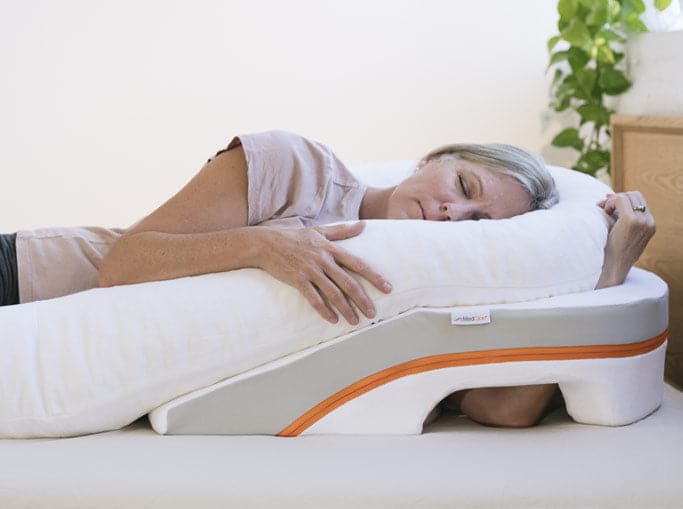
- Wedge pillow: raises the head and torso 30 to 45 degrees, using gravity to keep the airway and esophagus open. MedCline's Reflux Relief System is a medical-grade wedge plus body pillow that also discourages back-rolling.
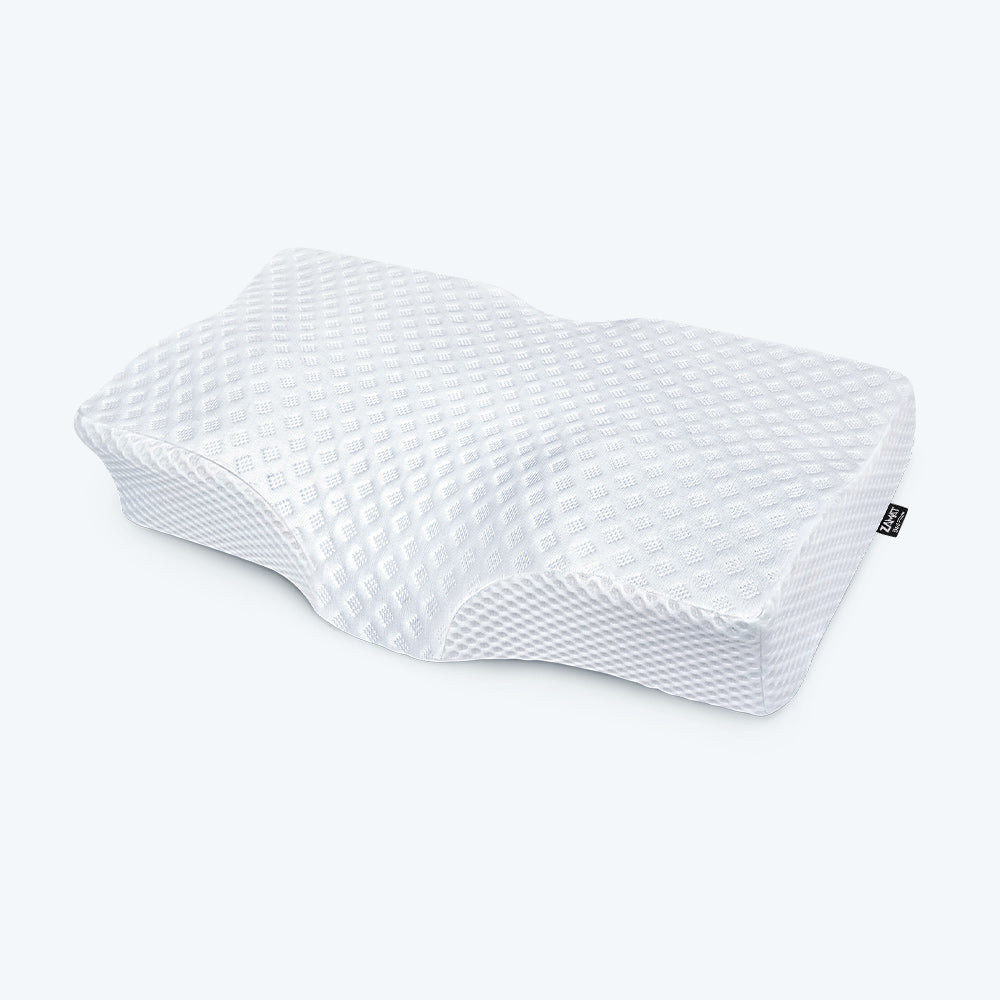
- Cervical contour pillow: supports the natural curve of the neck and keeps the chin from tucking, which helps back sleepers maintain a more open airway.
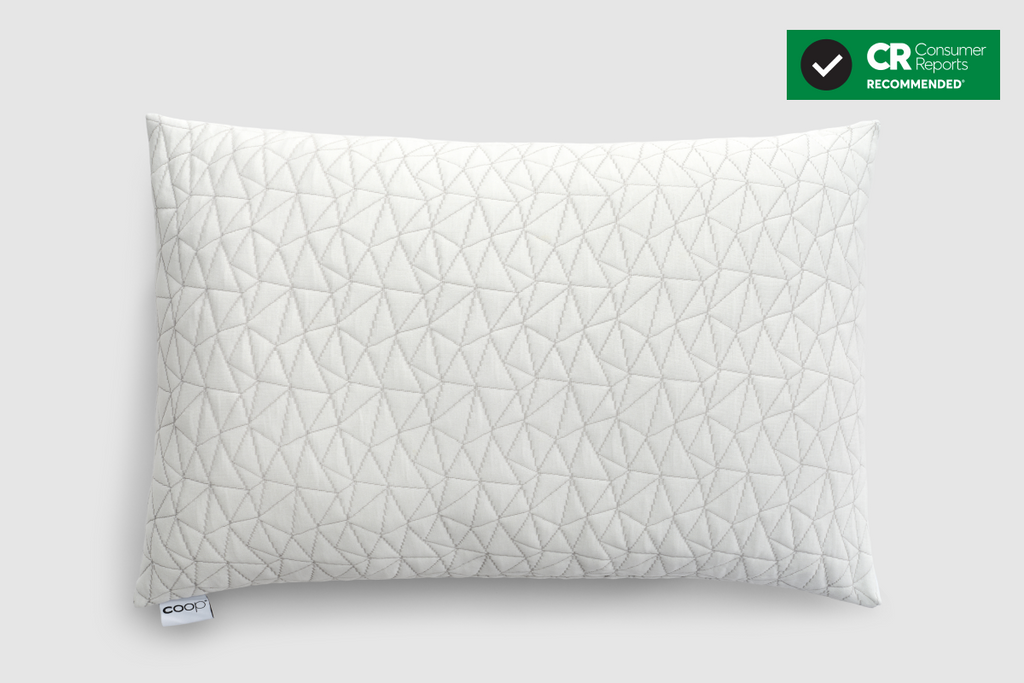
- Adjustable shredded-foam pillow: lets you dial in enough loft to keep the head slightly elevated without over-flexing the neck.
- Smart anti-snore pillow: detects snoring and gently repositions the head automatically. These are expensive and require power, but they can work for positional snorers who roll onto their back.
Habits that make snoring worse
A pillow cannot fix snoring that is caused by inflammation, congestion, or muscle relaxation from alcohol. If you are trying to reduce snoring, address these factors at the same time.
- Alcohol within three hours of bedtime relaxes throat muscles and worsens snoring.
- Nasal congestion from allergies or a cold forces mouth breathing, which increases vibration.
- Excess weight, especially around the neck, narrows the airway during sleep.
- Sedatives and some sleep medications can deepen muscle relaxation and make snoring louder.
When snoring is not just snoring
Simple, positional snoring is annoying but usually harmless. Obstructive sleep apnea is not. If you share a bed, ask your partner whether your snoring includes gasping, choking, or long pauses in breathing. Daytime sleepiness, morning headaches, and high blood pressure are also red flags.
A pillow can help with positional snoring. It cannot treat sleep apnea. If any of the warning signs apply, schedule a sleep study before spending money on anti-snore products.
Pillows we recommend for this

Nitetronic Z6 Smart Anti-Snore Pillow
Shoppers comparing automatic repositioning designs and their limitations
FAQ
Do anti-snore pillows really work?
Positional pillows can reduce mild to moderate snoring by keeping the airway open. Smart pillows that detect snoring and reposition the head have the strongest evidence, but they are expensive. No pillow treats sleep apnea.
Is a high pillow or a flat pillow better for snoring?
It depends on position. Back sleepers usually do better with the head and torso elevated. Side sleepers need enough loft to keep the neck straight. A pillow that is too flat lets the chin drop and can worsen snoring.
Can sleeping without a pillow stop snoring?
Sometimes for back sleepers, but it is not reliable. Without support the neck can fall into an awkward angle. Most people snore less with the right support than with no pillow at all.
Should I use a wedge pillow or a cervical pillow for snoring?
Use a wedge if you are a back sleeper and your snoring is worst when flat. Use a cervical pillow if your snoring comes from your chin dropping toward your chest. Some people benefit from both.
Keep reading
Find the Right Pillow for Your Sleep Style
Get a tailored shortlist based on sleep position, shoulder fit, desired loft and materials using our free Pillow Finder.
Start the Free Pillow Finder →Instant recommendations, no email or signup required. We may earn commissions on some buying links.
Affiliate disclosure: Mr. Squish may earn a commission when you buy through links on this page. Recommendations are based on independent product research; any hands-on test is labelled separately. Learn more.