
How to Sleep With Neck Pain: Positions, Pillows, and What to Avoid
Neck pain and sleep have a two-way relationship: a bad sleep setup causes neck pain, and neck pain wrecks sleep, which lowers your pain tolerance the next day. Breaking the cycle usually starts with mechanics — the position you sleep in and whether your pillow keeps your neck in a neutral curve for the hours you are unconscious. This guide covers the best and worst positions for a sore neck, how to set up your pillow for each, daytime habits that affect nighttime pain, and the red-flag symptoms that mean a pillow is not the answer.
In this guide
The goal: a neutral neck
Every piece of advice in this guide comes back to one principle: keep your neck in neutral alignment. That means your head is neither tilted up, dropped down, nor rotated — your ears line up over your shoulders, and the natural curve of your neck is supported rather than flattened or exaggerated.
Muscles and joints held at an angle for seven or eight hours stiffen and inflame. That is why neck pain from sleep is typically worst in the morning and eases as you move around — and why fixing alignment often fixes the pain within a week or two.
Best positions for neck pain
Back sleeping is the kindest position for a sore neck. Your weight is spread evenly, your spine stays straight, and a medium-loft pillow with neck support — or a contoured cervical pillow — cradles the neck curve without pushing the head forward.
Side sleeping is a close second, and better for snorers. The requirement is enough pillow loft to fill the gap between your shoulder and head so your neck stays horizontal. Too thin and your head drops toward the mattress; too thick and it kinks upward. A pillow between the knees keeps the whole spine in line.
The worst position: stomach sleeping
Stomach sleeping is the single worst position for neck pain because your head must rotate 90 degrees to one side so you can breathe — and it stays rotated for hours. That sustained twist strains the joints and muscles on both sides of the neck.
If you genuinely cannot sleep any other way, use the thinnest pillow possible or none at all under your head, and put a thin pillow under your hips to reduce lower-back arch. Better still, transition gradually: start the night on your side hugging a body pillow, which satisfies the 'pressure on the front' feeling stomach sleepers miss.
Setting up your pillow
The right pillow for neck pain depends on your position and body, not a brand name.
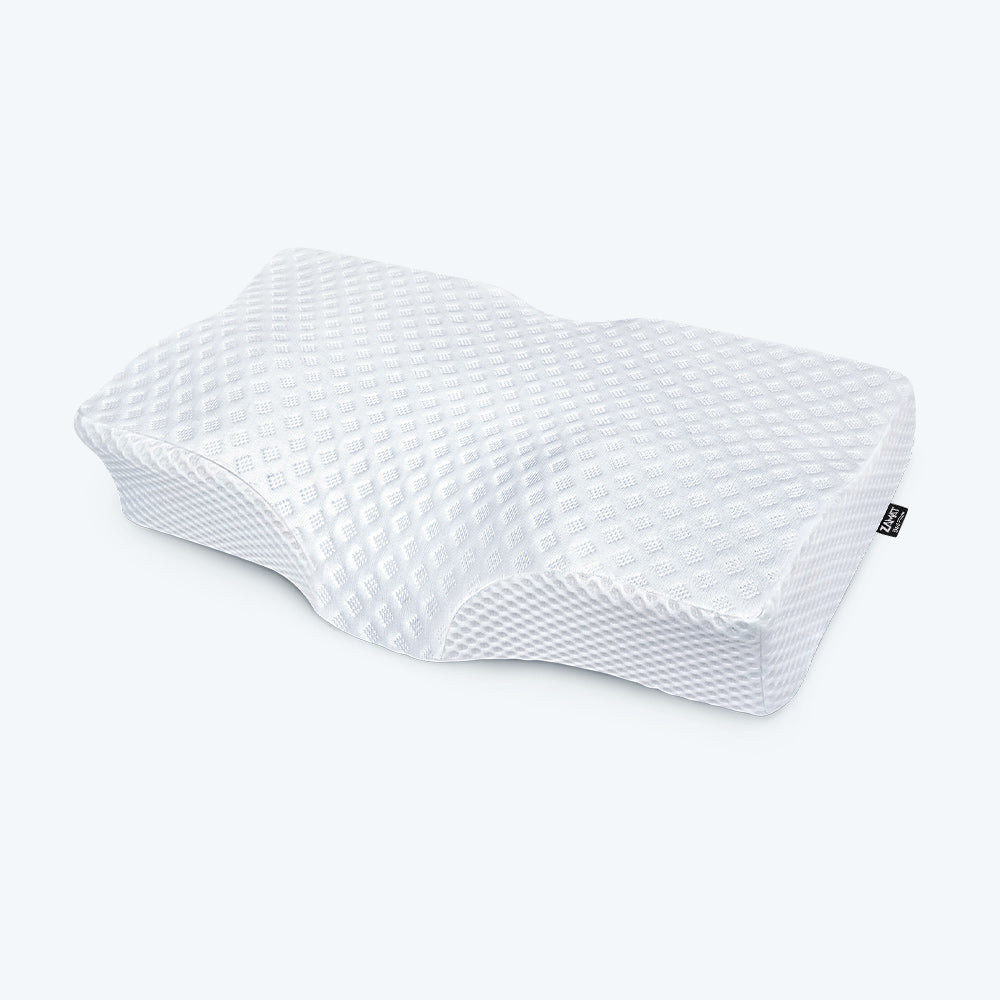
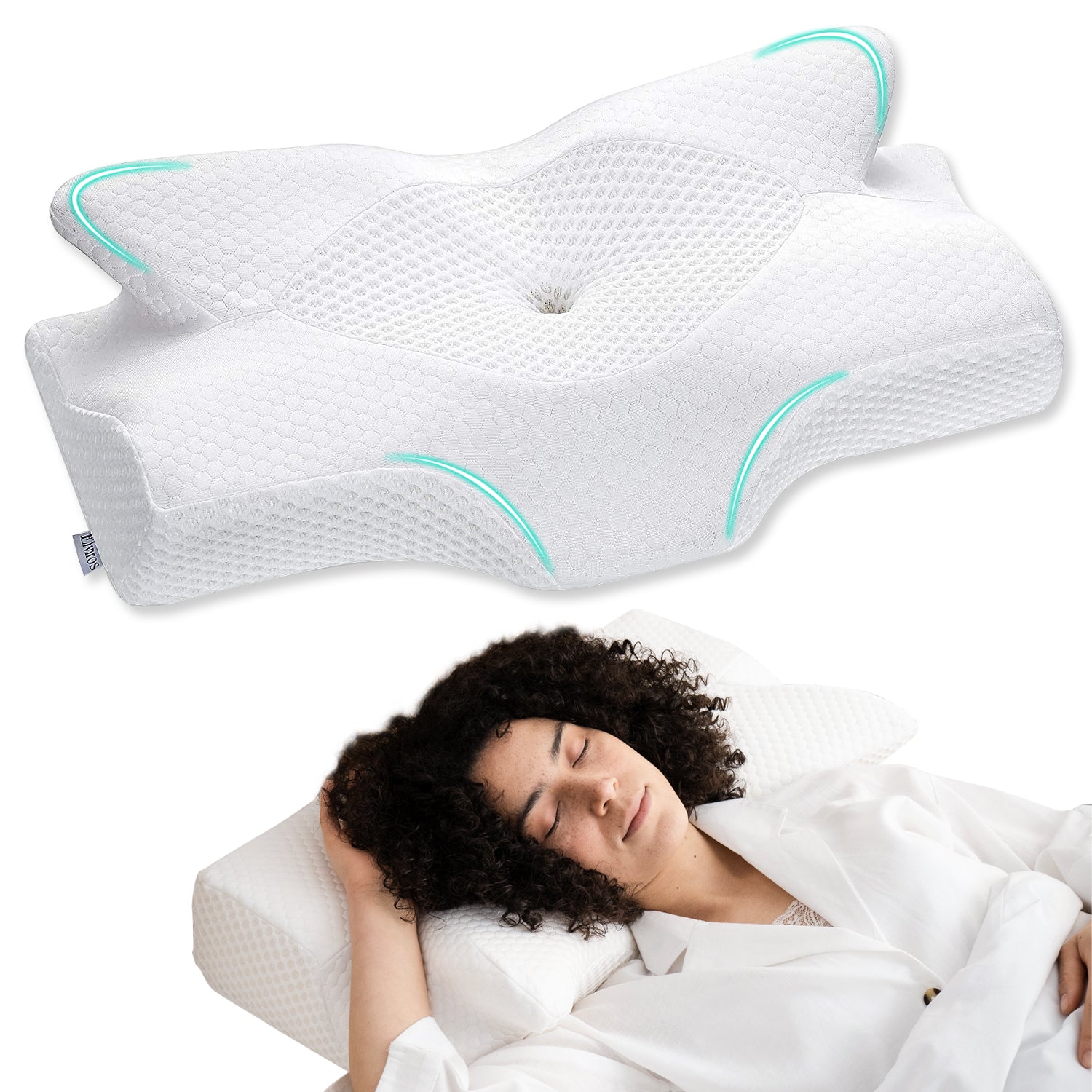
- Side sleepers — a firm, higher-loft pillow that fills the shoulder gap; contoured cervical pillows with a shoulder notch work well here.
- Back sleepers — a medium-loft pillow with a neck roll or contoured dip; the head should be supported without the chin tucking toward the chest.
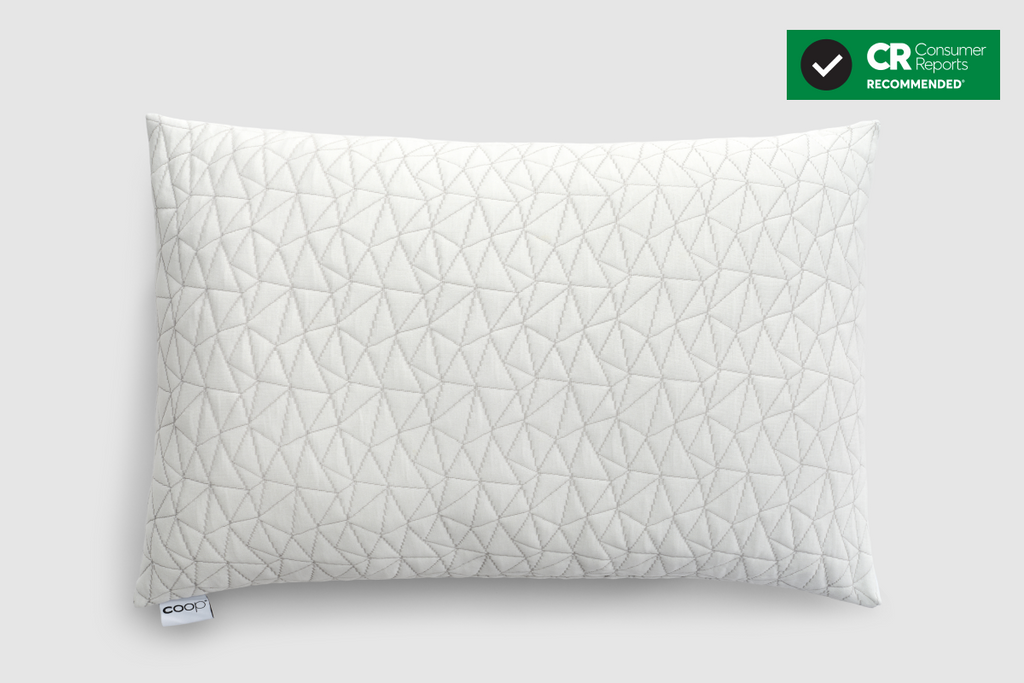
- Adjustable shredded-foam pillows — the safest default for combination sleepers, since you can tune the loft to each position and your mattress firmness.
- Avoid — very soft down or flat polyester pillows that collapse overnight and leave the neck unsupported by morning.
Daytime habits that decide how your neck feels at night
A pillow cannot undo eight hours of forward-head posture at a desk. Screen height, phone use ('text neck'), and stress-related shoulder tension all load the same muscles that ache at night. Simple countermeasures — raising your monitor, taking movement breaks, and gentle chin tucks and neck stretches before bed — reduce the baseline tension your pillow then has to accommodate.
Heat before bed (a warm shower or heating pad on the neck for 15 minutes) relaxes tight muscles, and many people find a stiff neck loosens noticeably faster when they go to bed with warm, relaxed muscles rather than cold, braced ones.
When neck pain needs a doctor
Mechanical neck pain from sleep usually improves within one to two weeks of fixing your setup. See a clinician if pain radiates down your arm or comes with numbness, tingling, or weakness in the hand (possible nerve involvement), if it follows an injury, if it comes with fever or unexplained weight loss, or if it is severe and unrelenting despite position changes. Persistent morning headaches alongside neck pain are also worth discussing — they can signal sleep apnea or other issues a pillow cannot fix.
Pillows we recommend for this

FAQ
What is the best sleeping position for neck pain?
Back sleeping with a medium-loft supportive pillow is best for most people, followed by side sleeping with a pillow thick enough to fill the shoulder gap. Stomach sleeping is the worst because the head stays rotated all night.
Should I sleep without a pillow if my neck hurts?
Usually no — most necks need support, not removal of it. The exception is stomach sleepers, who benefit from a very thin pillow or none. Back and side sleepers do better with a correctly sized supportive pillow than with none at all.
What kind of pillow is best for neck pain?
Contoured cervical pillows and adjustable shredded-foam pillows are the most reliable options because they support the neck curve and maintain loft all night. The right loft depends on your sleep position and shoulder width.
How long does neck pain from sleeping wrong last?
A stiff neck from one bad night usually resolves in one to three days. Pain that persists beyond two weeks, keeps recurring, or radiates into the arm should be evaluated by a clinician.
Can a new pillow make neck pain worse at first?
Yes — especially contoured cervical pillows, which hold the neck in a corrected position your muscles are not used to. Allow a one-to-two-week adjustment period before judging a new pillow.
Keep reading
Find the Right Pillow for Your Sleep Style
Get a tailored shortlist based on sleep position, shoulder fit, desired loft and materials using our free Pillow Finder.
Start the Free Pillow Finder →Instant recommendations, no email or signup required. We may earn commissions on some buying links.
Affiliate disclosure: Mr. Squish may earn a commission when you buy through links on this page. Recommendations are based on independent product research; any hands-on test is labelled separately. Learn more.