
Every MyPillow Version, Compared
Start with the exact listing and label rather than the MyPillow name alone. The current official FAQ gives a clear Classic-versus-Premium distinction, while Giza describes a cotton-case variant and 2.0 has separate labeling. Promotional pages can differ in available size and loft, so a claim from one offer should not be transferred to every model.
In this guide
Giza: identify the exact cotton-case variant
The official Premium Giza listing describes a 100% Giza cotton case, interlocking fill and colored piping to distinguish loft. Its selected sizes and availability need checking on the actual offer.
Giza is not a separate fill material or proof of a measured cooling advantage. Do not apply a Giza sheet-set specification to a pillow simply because both products use the same cotton name.
2.0: use model-specific information
MyPillow maintains a separate 2.0 labeling page. A label-page reference alone does not establish a current purchasable offer, its cover composition, available lofts or an overnight cooling result. Those details are not confirmed in this comparison.
If you are considering a 2.0 retailer or promotional listing, obtain the exact product label, dimensions, care instructions and return terms. Compare it with Premium only after confirming those facts; a version number alone is not a reason to pay more.
Washing: follow MyPillow rather than generic foam advice
The current FAQ specifies a cold or warm regular wash, a balanced load and tumble drying according to the label. It explicitly says no dryer balls and no fabric softener.
Dry the interior completely. A fixed cycle count does not establish dryness, and a warranty covering laundering does not guarantee years of unchanged comfort. Use the care label on the exact item, especially when comparing older versions.
A practical buying order
First choose the size and the way you want to set support. Compare Classic with Premium if two versus four preset loft choices and the gusset matter to you. Consider Giza for its documented case material. Verify a 2.0 offer separately before treating it as a cooling upgrade.
Then compare the delivered price, promotional conditions, return eligibility and warranty. This guide is a documentation-based comparison, not a completed personal sleep test of every MyPillow model.
Sources checked for this guide
- MyPillow FAQ: Classic, Premium, loft colors and care
- Premium product page
- Premium Giza product page
- MyPillow 2.0 labeling reference
Checked October 16, 2026. Consult the linked source for current guidance.
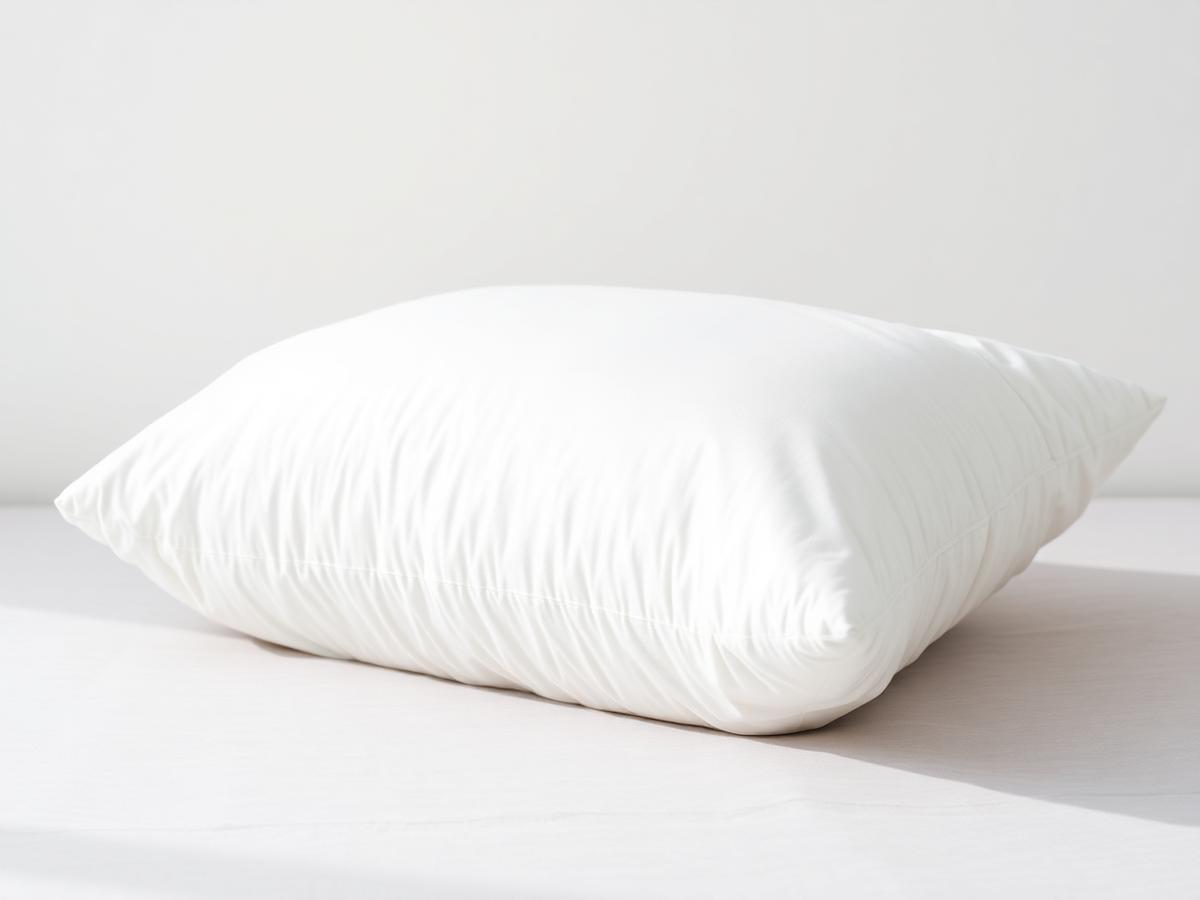
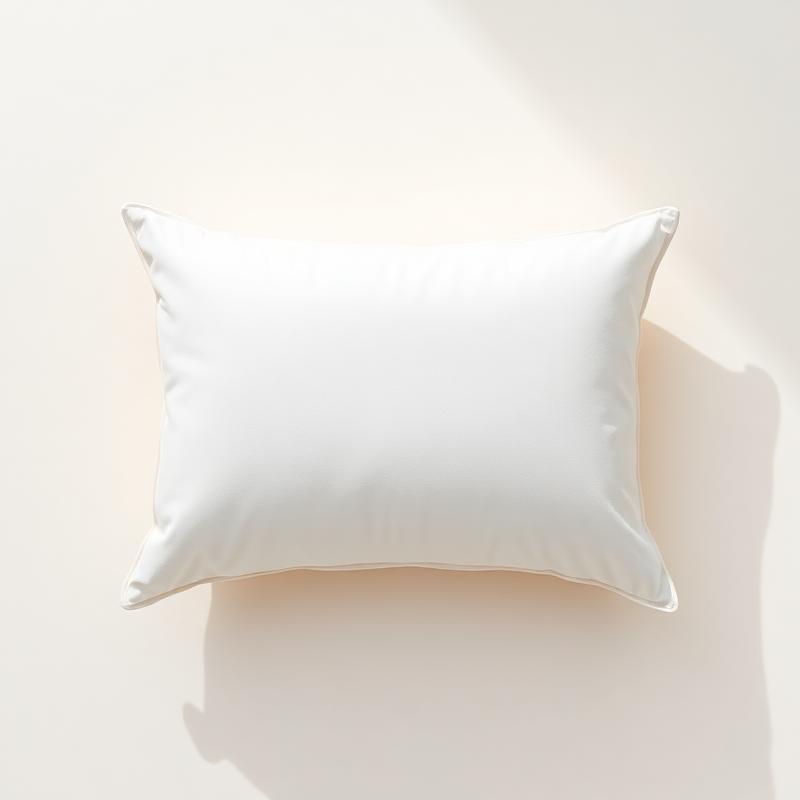
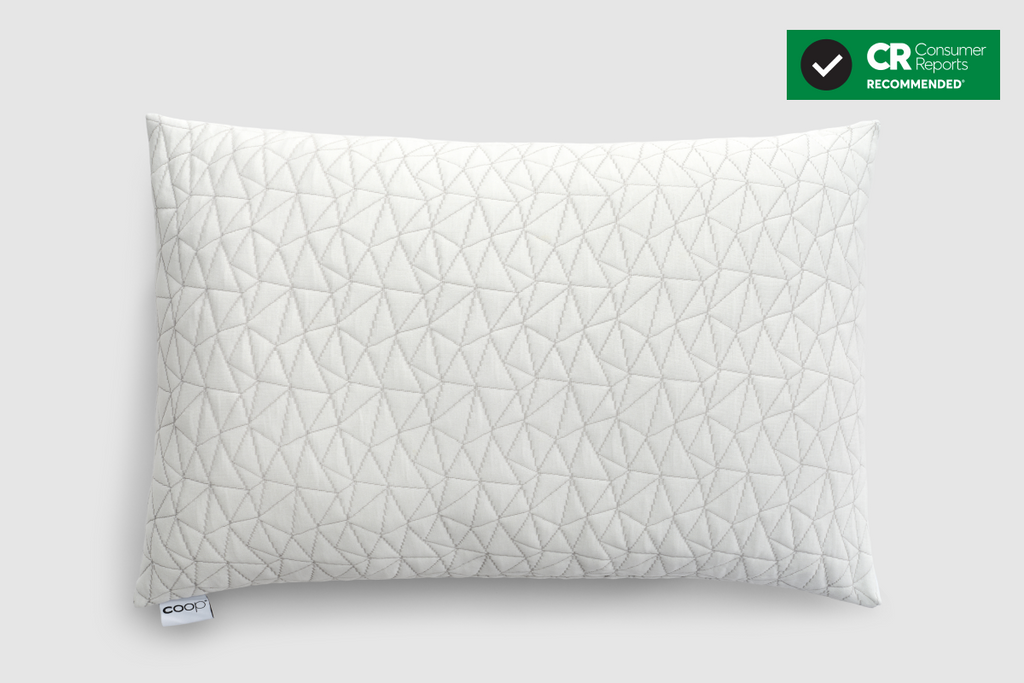
Pillows we recommend for this
Direct comparison
MyPillow Classic vs Premium
Compare the two products side by side using their published construction, fit, care, and price information.
Read the head-to-head →FAQ
Does Premium let me remove fill?
The documented adjustment is reshaping and selecting a preset loft level, not a removable-fill system.
What is the main Classic-versus-Premium difference?
The current FAQ gives two loft levels for Classic, four for Premium and a 2-inch gusset on Premium. Check the options on the exact promotional offer.
Is Giza a different filling?
The cited Premium Giza page identifies Giza cotton in the case and the brand’s interlocking fill. Giza is not itself a filling.
Is 2.0 proven cooler than Premium?
No controlled overnight comparison is recorded here, and the current offer specifications have not been confirmed in this guide.
Should I use dryer balls with MyPillow?
The current official FAQ says no dryer balls or fabric softener. Follow your exact item’s care label.
Keep reading
Find the Right Pillow for Your Sleep Style
Get a tailored shortlist based on sleep position, shoulder fit, desired loft and materials using our free Pillow Finder.
Start the Free Pillow Finder →Instant recommendations, no email or signup required. We may earn commissions on some buying links.
Affiliate disclosure: Mr. Squish may earn a commission when you buy through links on this page. Recommendations are based on independent product research; any hands-on test is labelled separately. Learn more.