
Why Your Arm Falls Asleep When You Sleep on Your Side
Waking up with a dead arm is unpleasant but usually benign: sustained pressure on a nerve slows its signalling until you move and it recovers. The reason side sleepers get it most is simple — your body weight rests directly on one shoulder and arm for hours. Which fingers go numb tells you which nerve is involved, and that determines the fix.
In this guide
What numbness actually is
The pins-and-needles feeling is a nerve conduction problem, not a circulation problem, despite the common phrase about cutting off blood flow. Sustained pressure compresses the nerve and disrupts its ability to send signals; the tingling as it returns is the nerve recovering, not blood rushing back.
This matters practically: the fix is relieving mechanical pressure on the nerve path, which is about shoulder position and arm position, not about warming the arm up or shaking it out.
Which fingers go numb tells you which nerve
Pay attention next time it happens — the pattern is genuinely diagnostic.
- Thumb, index, middle finger: median nerve, compressed at the wrist. Sleeping with wrists curled is the usual cause and a neutral wrist splint often resolves it.
- Ring and little finger: ulnar nerve, compressed at the elbow. Sleeping with the elbow bent tightly is the cause; keeping the arm straighter fixes most cases.
- Whole arm and shoulder together: pressure at the shoulder or the brachial plexus from lying directly on the shoulder joint.
- Numbness down the outside of the arm with neck pain: possible cervical nerve root irritation, which is a neck problem rather than an arm problem.
- Both arms, most nights, plus daytime symptoms: worth a clinical assessment rather than a pillow change.
Fixing it with pillow and position setup
Most cases resolve with three changes, and they cost nothing to try.
- Correct your head pillow loft. Too flat a pillow tips your head down and drives more of your weight onto the shoulder. Correct loft for side sleeping is roughly 5 to 6 inches.
- Stop tucking your arm under the pillow. That position both loads the shoulder and bends the wrist and elbow.
- Hug a body pillow. It supports the top arm forward, opens the chest, and keeps you from rolling onto the down-side shoulder.
- Pull the down-side shoulder slightly forward so you are resting just behind the joint, not directly on the ball of it.
- Keep the elbow relatively straight and the wrist neutral — the two easiest wins for ulnar and median symptoms.
- Put a pillow between the knees. It stops the hips rotating, which stops the trunk from twisting and loading the shoulder harder.
The mattress role
A mattress that is too firm for a side sleeper does not let the shoulder sink in, so all your upper-body weight concentrates on the shoulder joint instead of spreading across the ribcage. If your arm goes numb every night and your loft is correct, mattress firmness is the next thing to look at — a plush topper is the cheap test.
The inverse is also possible: a very sagging mattress drops the shoulder and torso unevenly and twists the spine, which can irritate a nerve root at the neck.
When numbness needs medical attention
Occasional numbness that clears within a minute or two of moving is normal. These patterns are not.
- Numbness that persists for more than 20 to 30 minutes after you get up, or lingers all day.
- Weakness — dropping things, a weak grip, or difficulty with buttons and keys.
- Visible muscle wasting at the base of the thumb or between the fingers.
- Numbness accompanied by neck pain radiating below the elbow, which suggests a cervical nerve root.
- Sudden numbness with face droop, slurred speech, or weakness on one side of the body — this is a medical emergency, call emergency services immediately.
Pillows we recommend for this
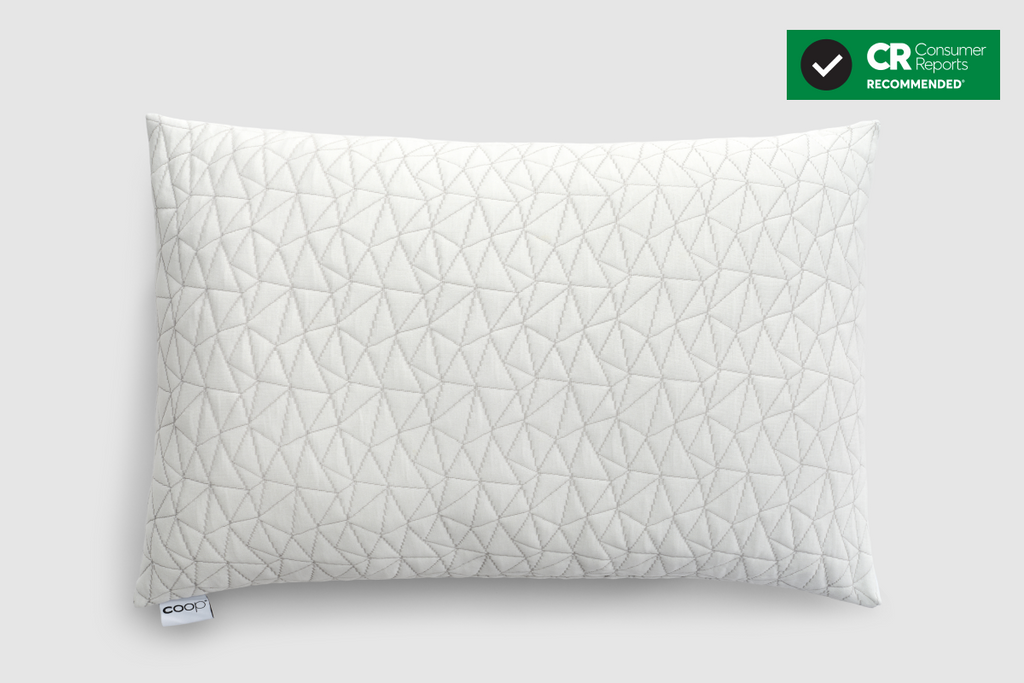

HoneyDew Scrumptious Side Pillow
Side sleepers who want a plush feel that still holds loft
FAQ
Is it bad if my arm falls asleep every night?
Occasional numbness that resolves within a minute of moving is harmless. Nightly numbness suggests sustained nerve compression, which is worth fixing with position and pillow changes — and worth a clinical assessment if it continues after those changes or comes with weakness.
What pillow stops my arm going numb when side sleeping?
A correctly lofted head pillow of about 5 to 6 inches plus a body pillow to hug. The head pillow keeps weight off the shoulder and the body pillow supports the top arm so you stop tucking it under you.
Does a shoulder cutout pillow help?
It can. Side-sleeper pillows with a shoulder notch let the shoulder slot in rather than being pushed up toward the ear, which reduces the compression at the joint. They work best when the rest of your loft is already right.
Should I stop sleeping on my side?
Usually no. Side sleeping is good for reflux, snoring, and sleep apnea. Fix the setup first — loft, arm position, body pillow, mattress firmness — before giving up the position.
Keep reading
Find the Right Pillow for Your Sleep Style
Get a tailored shortlist based on sleep position, shoulder fit, desired loft and materials using our free Pillow Finder.
Start the Free Pillow Finder →Instant recommendations, no email or signup required. We may earn commissions on some buying links.
Affiliate disclosure: Mr. Squish may earn a commission when you buy through links on this page. Recommendations are based on independent product research; any hands-on test is labelled separately. Learn more.