
How to Get Yellow Stains Out of Pillows
Yellowing is not dirt in the usual sense. It is the residue of body oils, sweat, and skin-care products oxidising in the fibres over months, which is why it appears in a halo around where your head sits and why a normal wash barely touches it. Whether it can be removed depends entirely on what is inside the pillow: washable fibre and down fills respond well to a whitening soak, and foam or latex cores cannot be soaked at all.
In this guide
First, identify what you have
Check the care tag before anything else. Down, down alternative, and polyester fibre pillows are usually machine washable and can be whitened. Memory foam, latex, and buckwheat pillows cannot — the core is either destroyed by water or impossible to dry.
- Down / down alternative / polyester fibre — washable, whitening soak works.
- Memory foam and latex — spot clean only; the stain is usually permanent.
- Buckwheat — hulls must stay dry; wash the empty casing only.
The whitening soak for washable pillows
This is the method that actually shifts oxidised oil, and it works because it soaks before it agitates.
- Fill a tub or top-loading washer with the hottest water the tag allows.
- Dissolve one cup of laundry detergent, one cup of powdered oxygen bleach, half a cup of borax and half a cup of dishwasher detergent fully in the water before the pillows go in.
- Submerge the pillows and press the air out. Soak for at least an hour, up to overnight for heavy yellowing.
- Wash on a gentle cycle, then run a second rinse with no detergent to clear all residue.
- Dry fully in a dryer on low with two or three clean tennis balls or dryer balls to break up clumps. Fibre and down must be bone dry or they will mildew.
Gentler options that still work
If you would rather not use bleach or borax, half a cup of white vinegar in the wash cuts oil residue and neutralises smell, and a paste of baking soda and water dabbed onto the stain before washing lifts lighter yellowing. Sunlight is also a genuine whitener: dry the pillow outdoors and UV will fade what remains.
Lemon juice appears in a lot of advice online. It does help slightly, but it weakens fibres over repeated use — save it for occasional stubborn spots.
Foam and latex: what you can and cannot do
You cannot soak them, so you cannot reverse deep yellowing. What you can do is stop it spreading: vacuum the bare core, blot the stained area with a barely damp cloth and a drop of mild detergent, blot again with clean water, then air dry flat for a full day. Deodorise with baking soda afterwards.
Be aware that latex naturally darkens to a light tan over the years from oxidation and light exposure. That colour change is normal ageing, not a stain, and no cleaning will reverse it.
When yellowing means it's time to replace the pillow
A stain is cosmetic; a pillow that has lost support is not. If your pillow is yellowed and also fails the fold test — fold it in half, and if it stays folded instead of springing back, the fill is spent — replace it rather than wash it. Most fibre and down pillows last one to two years, foam two to three, and latex or buckwheat three or more.
Prevention, which is much easier
Use a zippered pillow protector and wash it every two to four weeks; wash pillowcases weekly. Go to bed with dry hair and let night creams absorb before lying down — leave-on skin-care is a bigger contributor to yellowing than sweat for a lot of people. Air the bed for twenty minutes each morning before making it, so overnight moisture leaves the pillow instead of sitting in it.
Pillows we recommend for this
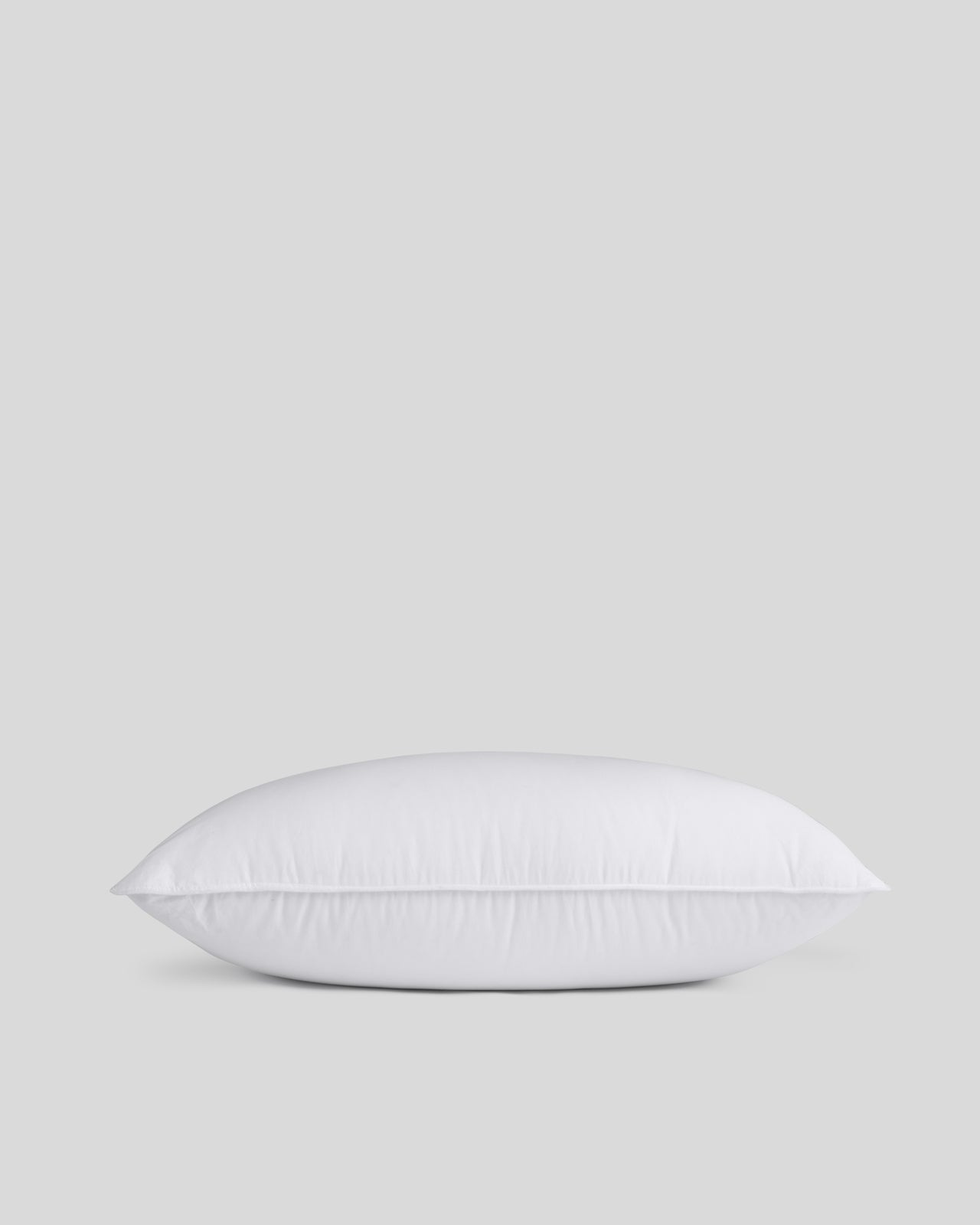
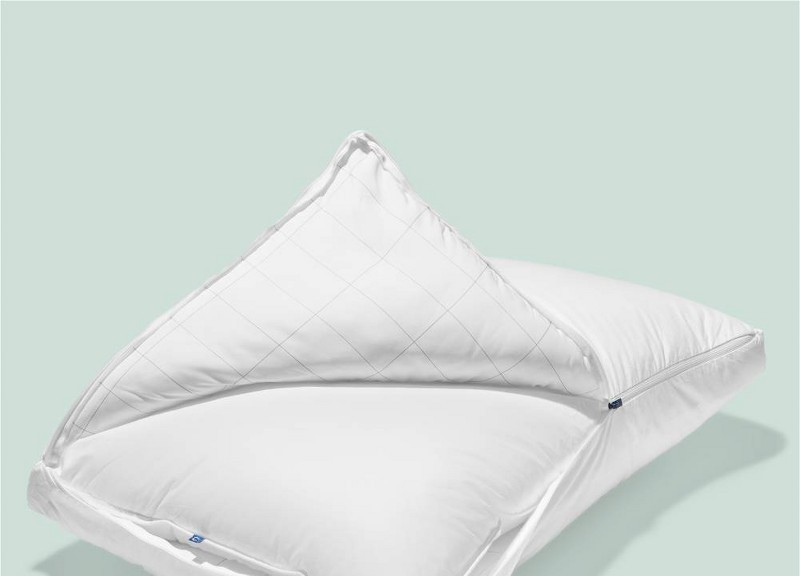
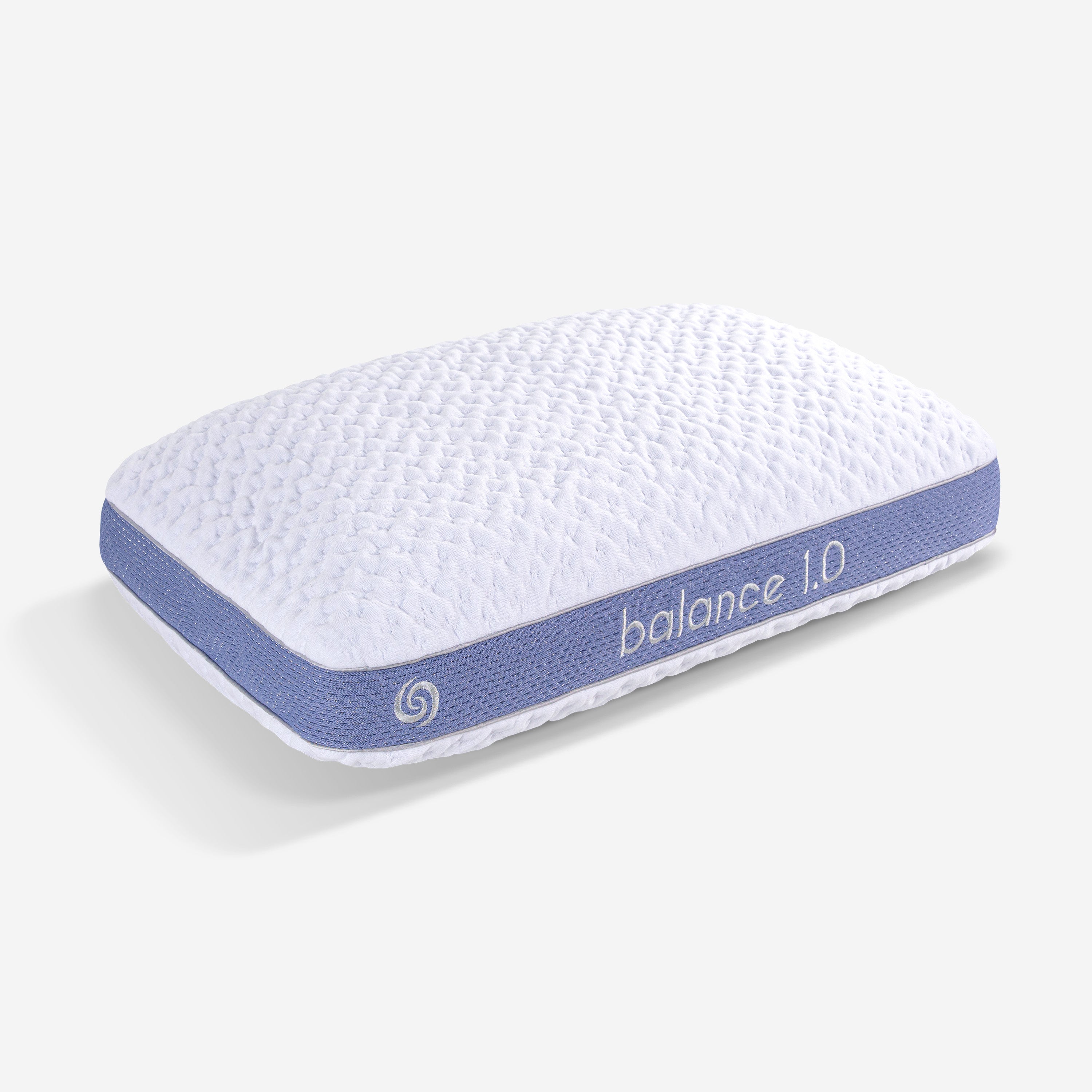
Bedgear Balance Performance Pillow
Sleepers comparing moisture-wicking covers and preset heights
FAQ
Why do pillows turn yellow?
Body oils, sweat and skin-care residue soak into the fibres and oxidise over time. The yellow ring appears where your head rests because that is where moisture and oil concentrate.
Can yellow pillow stains be removed?
On washable fibre and down pillows, yes — a hot soak with oxygen bleach, borax and detergent removes most of it. On memory foam and latex it is usually permanent.
Does baking soda whiten pillows?
It lifts light yellowing and neutralises odour, but it is not strong enough alone for a deep-set stain. Combine it with a hot oxygen-bleach soak for best results.
Are yellow stains on a pillow unhygienic?
The stain itself is oxidised oil rather than active bacteria, but it signals that sweat and oils have been reaching the fill, which also feeds dust mites. Clean it and add a protector.
How often should you wash pillows?
Wash washable pillows every four to six months, pillowcases weekly, and protectors every two to four weeks.
Keep reading
Find the Right Pillow for Your Sleep Style
Get a tailored shortlist based on sleep position, shoulder fit, desired loft and materials using our free Pillow Finder.
Start the Free Pillow Finder →Instant recommendations, no email or signup required. We may earn commissions on some buying links.
Affiliate disclosure: Mr. Squish may earn a commission when you buy through links on this page. Recommendations are based on independent product research; any hands-on test is labelled separately. Learn more.