
Why Does My Pillow Smell — and How to Fix It
A pillow absorbs a surprising amount over a year: sweat, skin oils, saliva, hair product, and shed skin, all of which feed the bacteria that produce the smell. Identify the cause first, because the fix for body-oil odor is completely different from the fix for a damp-storage smell or a brand-new foam smell.
In this guide
Work out which smell you have
The smell itself tells you the cause.
- Sour or musty, worse in the morning: sweat and skin oils broken down by bacteria. The most common cause by far.
- Sharp, chemical, on a new pillow: off-gassing from foam. Temporary and unrelated to hygiene.
- Mildew or basement-like: moisture trapped in the core, usually from incomplete drying after a wash or from damp storage.
- Yellow staining with the odor: oxidized body oils and sweat, which is a sign the fill is saturated rather than just dirty on the surface.
- Faintly rubbery: normal for natural latex, and it fades over weeks.
Fixes by fill type
What you can do depends on what is inside.
- Down, down-alternative, polyester: machine wash warm with half the usual detergent, run an extra rinse, then dry fully on low with dryer balls. This resolves most odor completely.
- Solid or shredded memory foam: do not machine wash. Wash the cover, sprinkle baking soda over the foam, leave it several hours, vacuum it off, and air it out for a day.
- Latex: wipe with a cloth dampened in mild soapy water, air dry in shade, and wash the cover hot.
- Buckwheat: empty the hulls onto a sheet, air them in direct sun for a few hours, wash the casing, and reassemble only when both are dry.
- Every fill: a washable pillow protector under the case is the single most effective preventive measure.
The deodorizing steps worth doing
Two cheap methods do most of the work, and one common suggestion is worth skipping.
- Baking soda: an even dusting left on for 4 to 12 hours, then vacuumed off, absorbs a lot of odor and is safe on every fill.
- Sunlight and airflow: several hours outdoors kills odor bacteria. Keep latex and down in shade, and everything else out of all-day sun.
- White vinegar in the rinse cycle: about half a cup helps on washable fills and rinses out without leaving a vinegar smell.
- Skip fabric softener: it coats fibers, traps oils, and reduces absorbency, which makes odor worse over time.
- Skip fragrance sprays: they mask the smell for a night while the source keeps growing.
Preventing it coming back
Odor is a maintenance problem, so the answer is a routine rather than a one-off deep clean.
Use a washable protector and wash it every two to four weeks along with the pillowcase. Wash washable pillows two to three times a year. Let the bed air for 20 minutes before making it, so overnight moisture evaporates instead of getting sealed under a duvet. Do not sleep on a pillow with wet hair — it is the fastest route to a mildew smell inside the fill.
If a strong smell persists after a full wash and a complete dry, the fill is saturated and the pillow is finished.
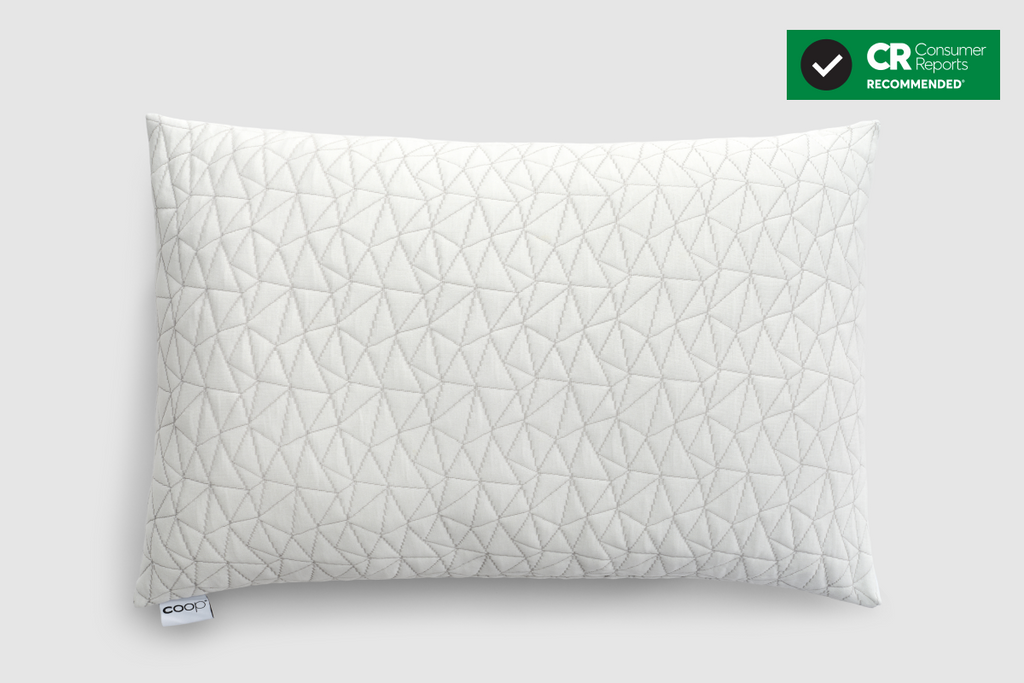
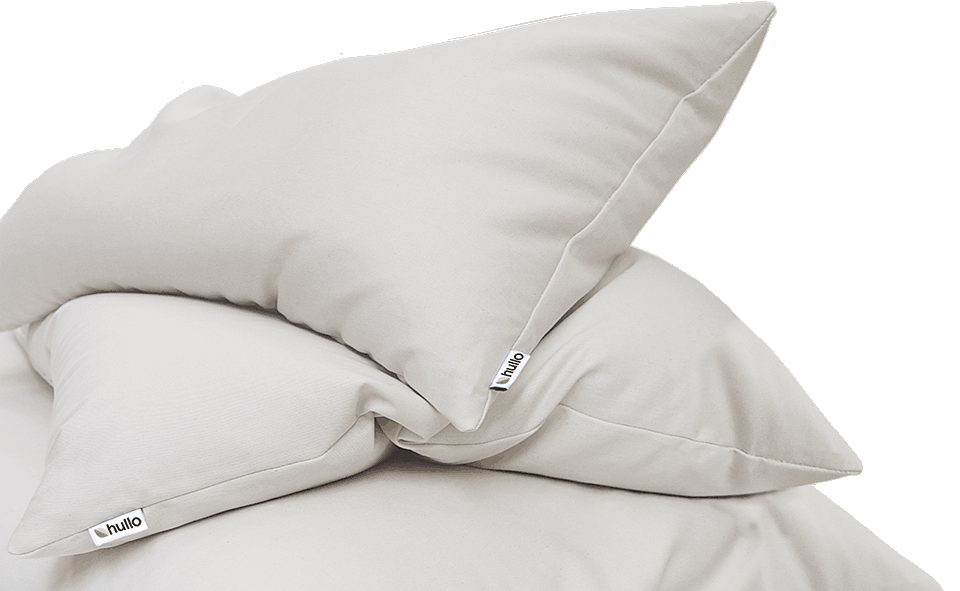
Pillows we recommend for this
FAQ
How do I get the smell out of a memory foam pillow?
Never machine wash it. Wash the cover, cover the foam with baking soda for several hours, vacuum it off, and air the foam in a breezy spot for a full day. Repeat once if needed.
Why does my pillow smell like sweat even after washing?
Either the fill is saturated with oxidized oils that washing cannot lift, or the pillow was not dried all the way through. Re-dry it completely first; if the smell survives that, replace it.
Does a new pillow smell mean it is unsafe?
Not usually. New foam pillows release volatile compounds for a few days, which smells chemical but is temporary. Air the pillow out for 48 to 72 hours before sleeping on it.
How often should I wash my pillow?
Two to three times a year for washable fills, with the pillowcase and protector washed every two to four weeks. That schedule prevents most odor from developing at all.
Keep reading
Find the Right Pillow for Your Sleep Style
Get a tailored shortlist based on sleep position, shoulder fit, desired loft and materials using our free Pillow Finder.
Start the Free Pillow Finder →Instant recommendations, no email or signup required. We may earn commissions on some buying links.
Affiliate disclosure: Mr. Squish may earn a commission when you buy through links on this page. Recommendations are based on independent product research; any hands-on test is labelled separately. Learn more.