
Best Pillows for Acid Reflux and GERD
Nighttime reflux is a gravity problem. Lying flat lets stomach acid reach the esophagus, and the fix that gastroenterologists actually recommend is elevating the whole torso by 6 to 8 inches — not stacking pillows under your head, which just bends your neck and can make pressure on your stomach worse. The picks below start with a dedicated reflux wedge system designed around that 6-to-8-inch guideline, plus adjustable pillows that work for milder cases or for building elevation on a budget. These are research picks based on manufacturer specifications, published clinical guidance on head-of-bed elevation, and published owner commentary (not independently verified).
This shortlist combines product research with named firsthand experience on the individual reviews that document it. It is not a comparative sleep trial or a measured performance ranking. See how we test pillows
Quick picks
Shortlist order is editorial, not a ranking of measured performance. Compare each option’s fit, construction, price, and return terms before choosing.
| Pillow | Best for | Construction | |
|---|---|---|---|
| MedCline Reflux Relief System | Acid reflux and GERD sufferers who sleep on their left side | Wedge + Body Pillow | Review |
| Coop Home Goods Original | Side and back sleepers who want to dial in loft | Shredded Memory Foam | Review |
| ZAMAT Original Cervical Pillow | Side sleepers with morning neck stiffness | Contour Memory Foam | Review |
We may earn a commission from purchase links. Prices vary by size and seller; check current terms. Affiliate disclosure
MedCline Reflux Relief System
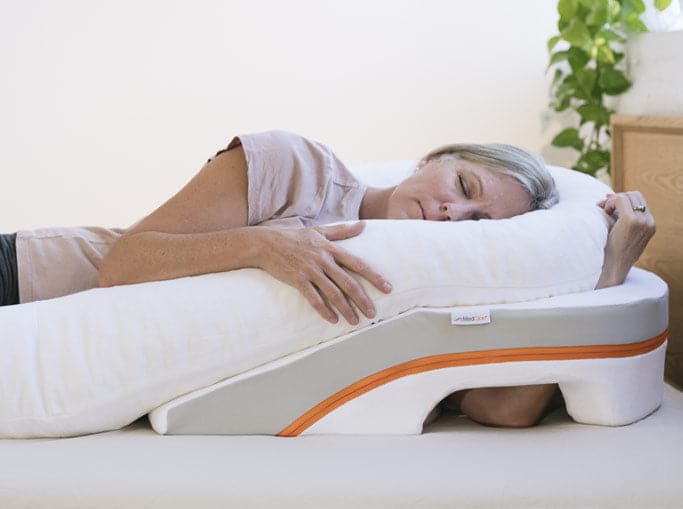
A patented arm-pocket wedge plus body pillow that holds you at an incline on your left side all night — the position clinical research links to the biggest drop in night-time reflux.
Verified specs: Wedge + Body Pillow fill · firm feel · 100 nights trial · 3 years warranty.
Research pick — based on manufacturer specifications and our research.
Coop Home Goods Original
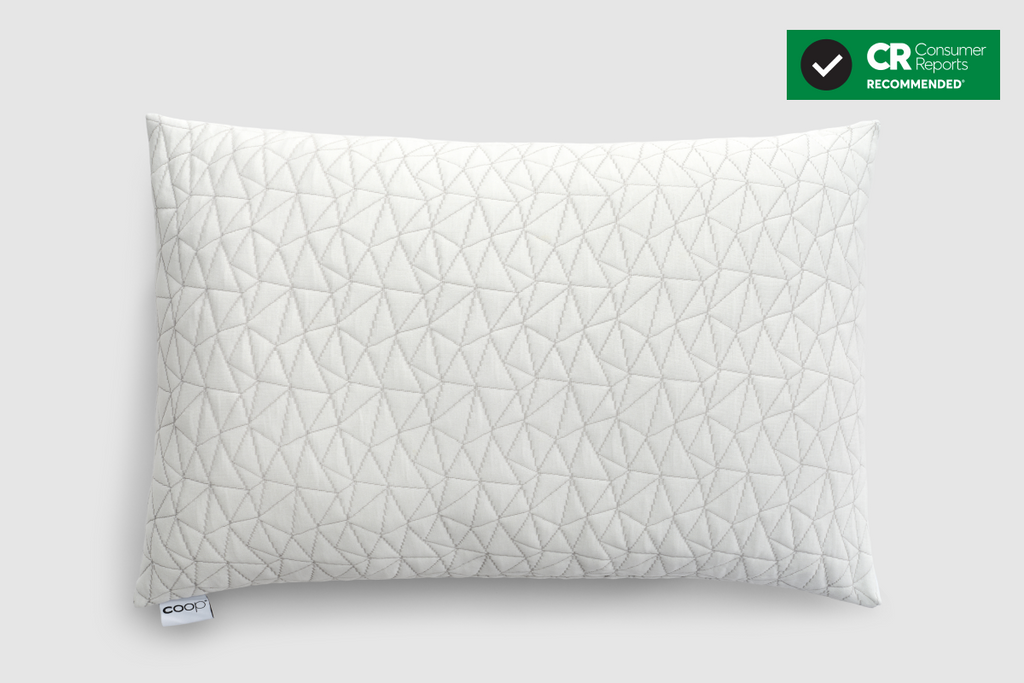
An adjustable memory-foam-and-microfiber pillow. Ben Trapskin contributes firsthand Coop experience; product specifications are documented separately.
Firsthand contributor: Ben Trapskin has firsthand experience with Coop and contributes that experience to this review.
Firsthand contributor: Ben Trapskin; product facts checked separately.
ZAMAT Original Cervical Pillow
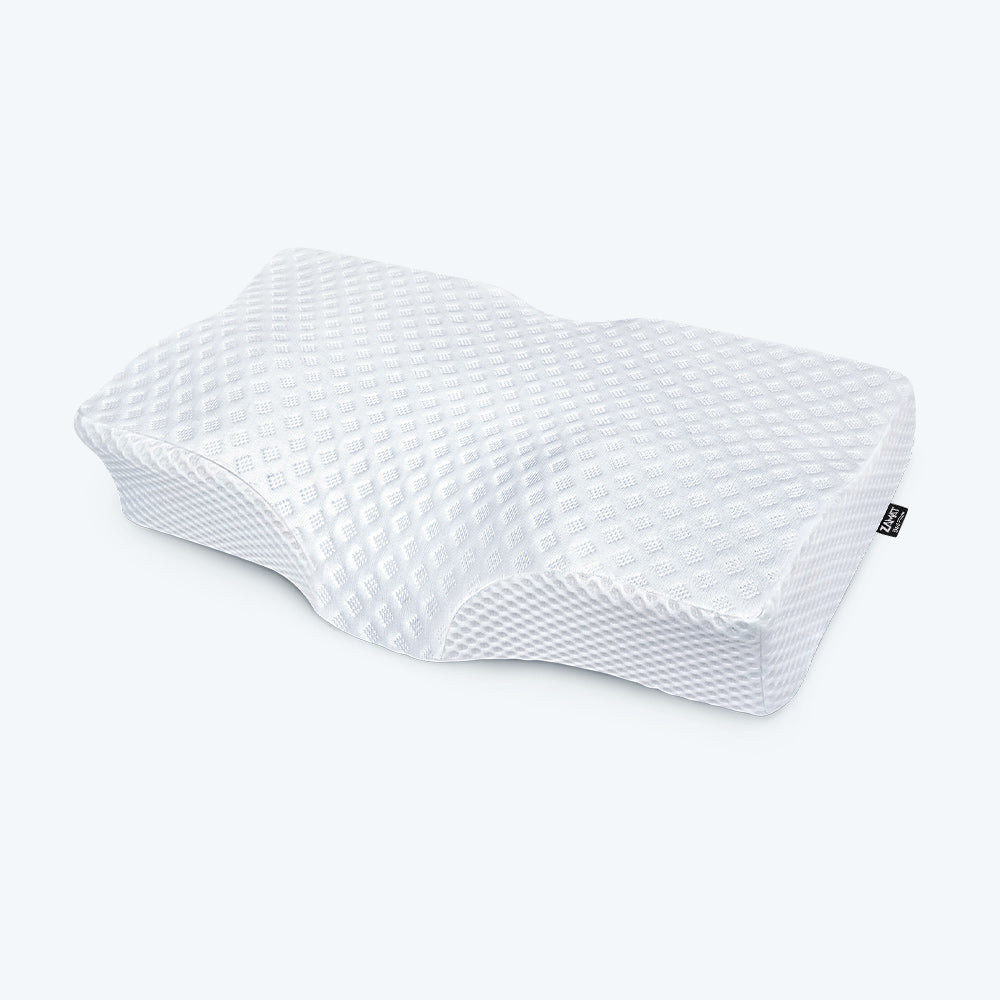
A contoured cervical pillow with an adjustable insert and a shoulder-notch design that is intended to accommodate side sleepers’ shoulders; fit depends on loft and mattress sink.
Verified specs: Contoured memory foam with removable height insert fill · Adjustable via insert, roughly 3.5–5 in loft · medium feel · adjustable fill · 100 nights trial · 10 years warranty.
Research pick — based on manufacturer specifications and our research.
Ready to give it a squish?
Start with the first option in this shortlist, then compare its fit and trade-offs with the alternatives.
Buying guide
Elevate the torso, not the head
A gradual incline from the waist up works; stacking pillows bends the neck and folds the abdomen, which can make reflux worse.
Start around seven to nine inches
That is the usual comfortable starting height within the six to twelve inch wedge range. Higher only helps if you can still sleep.
Buy density, not softness
A soft wedge compresses and quietly loses the angle. Denser foam holds the elevation you paid for.
Why elevation is the whole idea
Reflux happens when stomach contents travel back up the oesophagus. Lying flat removes gravity's help, which is why symptoms so often show up at night. Raising the head and chest keeps acid lower for longer, and that is the single mechanism every reflux pillow relies on.
The important detail is what gets raised. Stacking ordinary pillows bends the neck and folds the abdomen, which can increase pressure on the stomach and make matters worse. Effective elevation is a gradual incline that lifts the whole torso from the waist up.
Wedges, adjustable bases, and incline angle
Wedge pillows create that gradual slope in one piece of foam. Commonly cited heights run from about six to twelve inches, corresponding roughly to a thirty to forty-five degree range at the steeper end; a seven to nine inch wedge is a frequent starting point that most people tolerate without feeling propped upright.
Look at the length as well as the height. A short wedge supports only the head and shoulders and reintroduces the folding problem. Longer wedges, or an adjustable bed base, distribute the incline along the back. Density matters too, because a soft wedge flattens and quietly loses the angle you bought it for.
Side sleeping, materials, and other measures
Left-side sleeping is frequently recommended for reflux because of stomach and oesophagus anatomy, and combining a mild incline with left-side sleeping is a common approach. A body pillow can help hold that position through the night.
Beyond bedding, standard guidance includes leaving two to three hours between eating and lying down, and identifying personal trigger foods. Persistent heartburn, difficulty swallowing, or reflux most nights warrants medical assessment rather than a bigger wedge.
Compare another fit
More core pillow guides
FAQ
How high should a wedge pillow be for reflux?
Seven to nine inches is a common starting point, with six to twelve inches the usual available range. Higher is not automatically better if it stops you sleeping.
Can I just stack regular pillows instead?
It is the most common mistake. Stacking bends the neck and folds the abdomen, which can raise pressure on the stomach. A gradual full-torso incline is what works.
Which side should I sleep on for reflux?
The left side is commonly recommended, based on the position of the stomach relative to the oesophagus. Many people combine it with a mild incline.
What wedge firmness lasts?
Denser foam holds its angle; a soft wedge compresses and gradually loses the elevation. Density and warranty are the specifications worth reading.
Do you test reflux outcomes?
No. We compare documented dimensions, incline, foam type, cover, and policies, and we make no medical claims. Frequent reflux should be discussed with a clinician.
Keep reading
Affiliate disclosure: Mr. Squish may earn a commission when you buy through links on this page. Affiliate relationships never determine our recommendations — see how we test.