
Pillow Loft by Body Size
Two people in the same sleep position on the same mattress can need pillows two inches apart, because body size drives loft from two directions at once. Taller, broader frames create a bigger head-to-mattress gap; heavier bodies sink further into the mattress and shrink it again. Understanding which one applies to you is faster than working through pillows by trial and error.
In this guide
The two forces
Frame size sets the gap. Shoulder width scales with height and build, and on your side that width is essentially the distance the pillow has to span. A six-foot-three sleeper with broad shoulders can need twice the loft of a five-foot-two sleeper with narrow ones.
Body weight sets the sinkage. The heavier you are, the further you press into the mattress, and the more of that gap the mattress absorbs. This is why body weight and mattress firmness cannot be considered separately: a heavier sleeper on a plush bed sinks enough to cancel out a good deal of extra shoulder width.
Loft ranges by build, side sleeping
Side sleeping is the position most sensitive to body size, so start here. These assume a medium mattress; adjust down on a plush bed and up on a firm one.
- Petite, under 5'4" and lighter build: about 3 to 4.5 inches
- Average, 5'4"–5'10" and average build: about 4.5 to 5.5 inches
- Tall, 5'11"–6'3": about 5.5 to 6.5 inches
- Very tall or broad-shouldered, over 6'3": about 6.5 inches and up
- Heavier build on a soft mattress: subtract up to an inch from the band above
Back and stomach sleeping
Back sleeping compresses the range: the pillow fills the curve behind the neck rather than a shoulder-wide gap, so most builds land between 3 and 5 inches, with taller and broader sleepers at the upper end. Stomach sleeping compresses it further — under 3 inches for nearly everyone, and body size barely moves the number.
Combination sleepers should aim for the overlap between their positions, which in practice means the back-sleeping number plus a little, or an adjustable pillow set where rolling over does not force a re-adjustment.
Why heavier sleepers need denser fill
Load is what wears a pillow out. A heavier head compresses any fill further and faster, so a pillow that holds five inches for a lighter sleeper may settle to four for a heavier one — and get there sooner in its life. Dense shredded foam, solid latex, and buckwheat hold up far better than loose fills.
It also means a heavier sleeper should buy toward the top of their loft band and expect to top up or replace loose fills more often.
Turning this into a number
If you want the maths done, our Pillow Loft Calculator takes your position, shoulder width, and mattress firmness and returns a target compressed-loft range, and the Pillow Matrix maps every body-weight and height combination for each position. Both are starting points to confirm with the mirror alignment check on your own bed.
Pillows we recommend for this
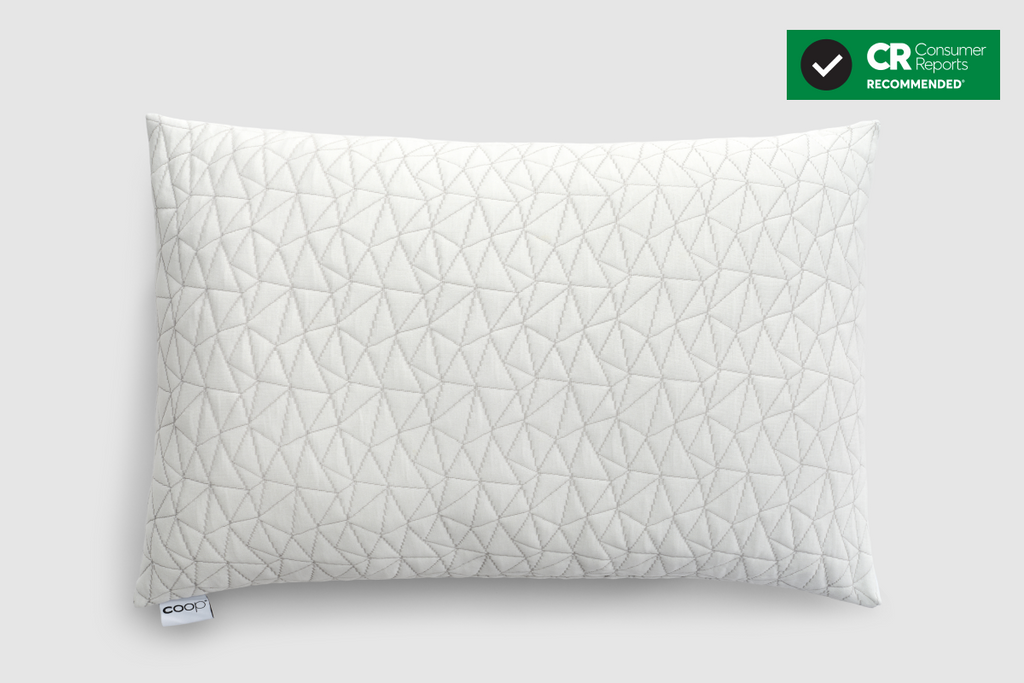
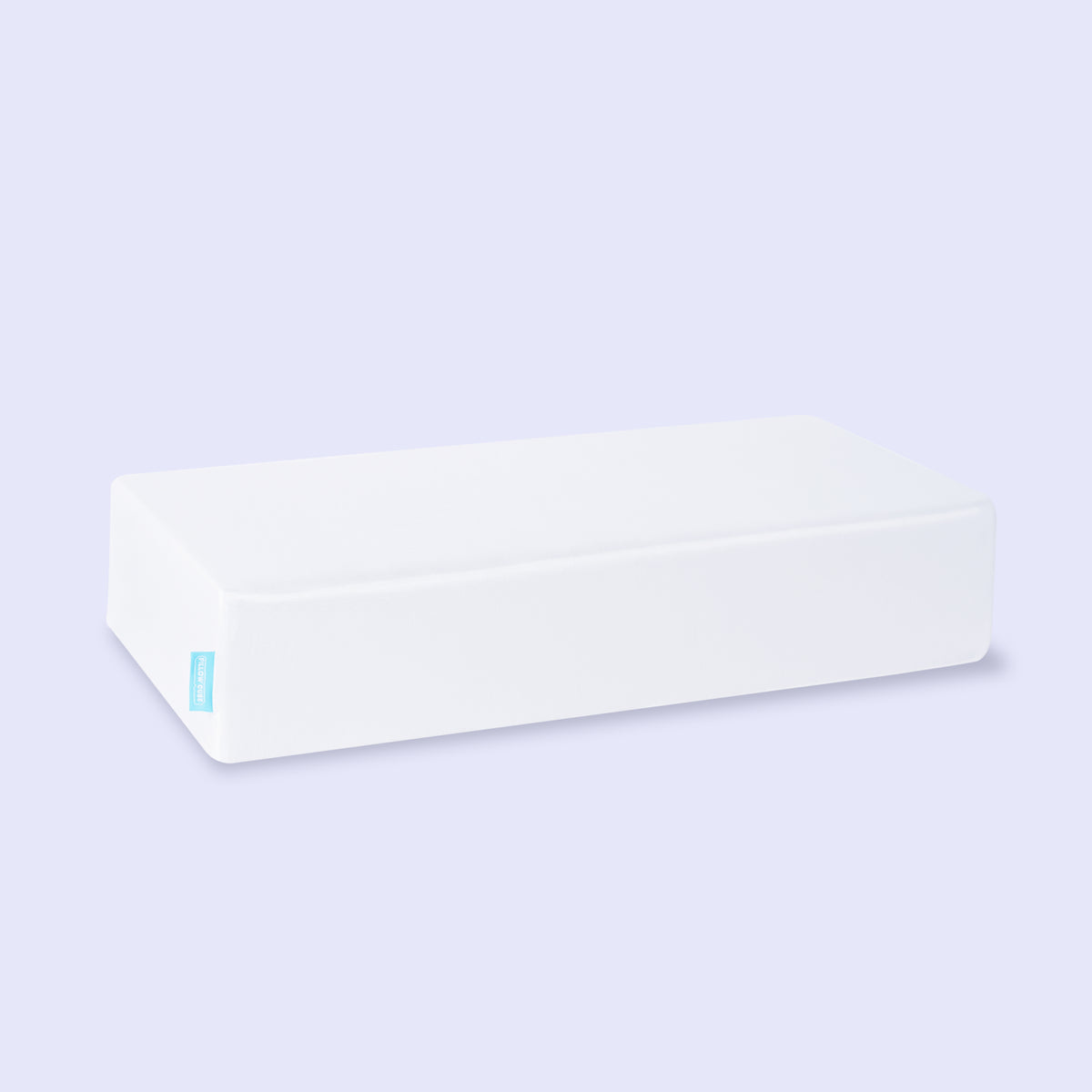
FAQ
Keep reading
Get the Mr. Squish Pillow Cheat Sheet
A simple guide to choosing the right pillow based on your sleep position, body size, and comfort preferences.
No spam. Unsubscribe anytime.
Affiliate disclosure: Mr. Squish may earn a commission when you buy through links on this page. Recommendations are based on independent product research; any hands-on test is labelled separately. Learn more.