
Why Does My Neck Hurt With a New Pillow?
You bought a better pillow and your neck got worse. It is one of the most common pillow complaints, and it has three distinct causes that look identical at 6 a.m.: normal adaptation to a new alignment, a size that does not match your body, or a fill change your neck objects to. Telling them apart matters, because one resolves in two weeks and the other two never will.
In this guide
Cause one: adaptation (the good kind of hurt)
Neck muscles adapt to whatever position your old pillow held them in — including a bad one. A correctly fitting new pillow changes that alignment, and the muscles need one to three weeks to adapt, the same way a new office chair feels wrong before it feels right. The signature is a mild, diffuse ache or unusual awareness of the pillow, worst in the first week, steadily improving.
Adaptation is most pronounced when switching to a cervical contour or from a very soft pillow to a supportive one. The rule of thumb: discomfort that is mild and improving week over week is adaptation. Give it two full weeks.
Cause two: the size is wrong
A new pillow that is too high or too low for your body produces pain that does not improve — it repeats every night because the geometry is wrong every night. The tells are positional: chin pushed toward your chest (too high), or head dropping toward the mattress with a pulling ache along the top of the neck (too low).
This is the failure mode for fixed-loft and contoured pillows, which cannot be tuned. If week two is no better than night one, suspect size. Use the trial window — that is what it exists for.
Cause three: the fill change
Moving between fill families changes more than height. Down-to-foam removes the sinking your neck muscles organized around; foam-to-buckwheat introduces a firmness that creates pressure points on the ear and jaw; anything-to-latex adds a springy pushback some necks read as tension.
Fill-change discomfort sits between adaptation and wrong-size: it often improves, but slowly, and a minority of sleepers simply never enjoy a given fill. If the size checks out and week three still hurts, the fill is the suspect.
When to stop and when to see someone
Stop signals — not adaptation: sharp pain, numbness or tingling in the arms, headaches that were not there before, or pain worsening week over week. Those mean the pillow is wrong for you or something else is going on.
And the honest caveat: if neck pain persists through pillow changes, or exists during the day regardless of sleep, it is no longer a pillow question. Persistent pain deserves a clinician, and no pillow purchase should substitute for that.
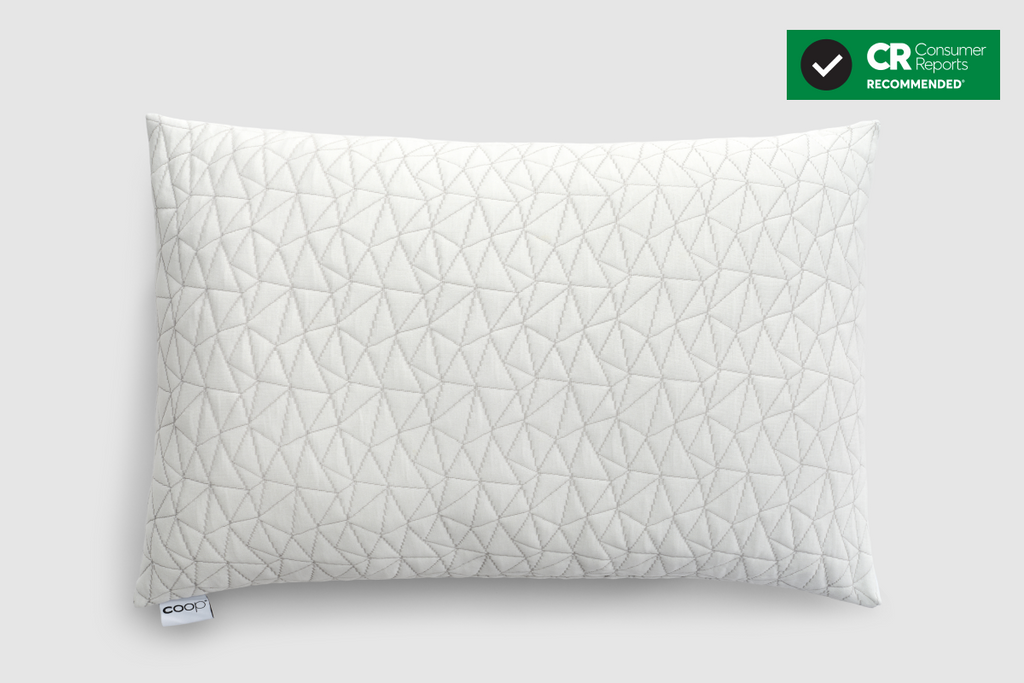
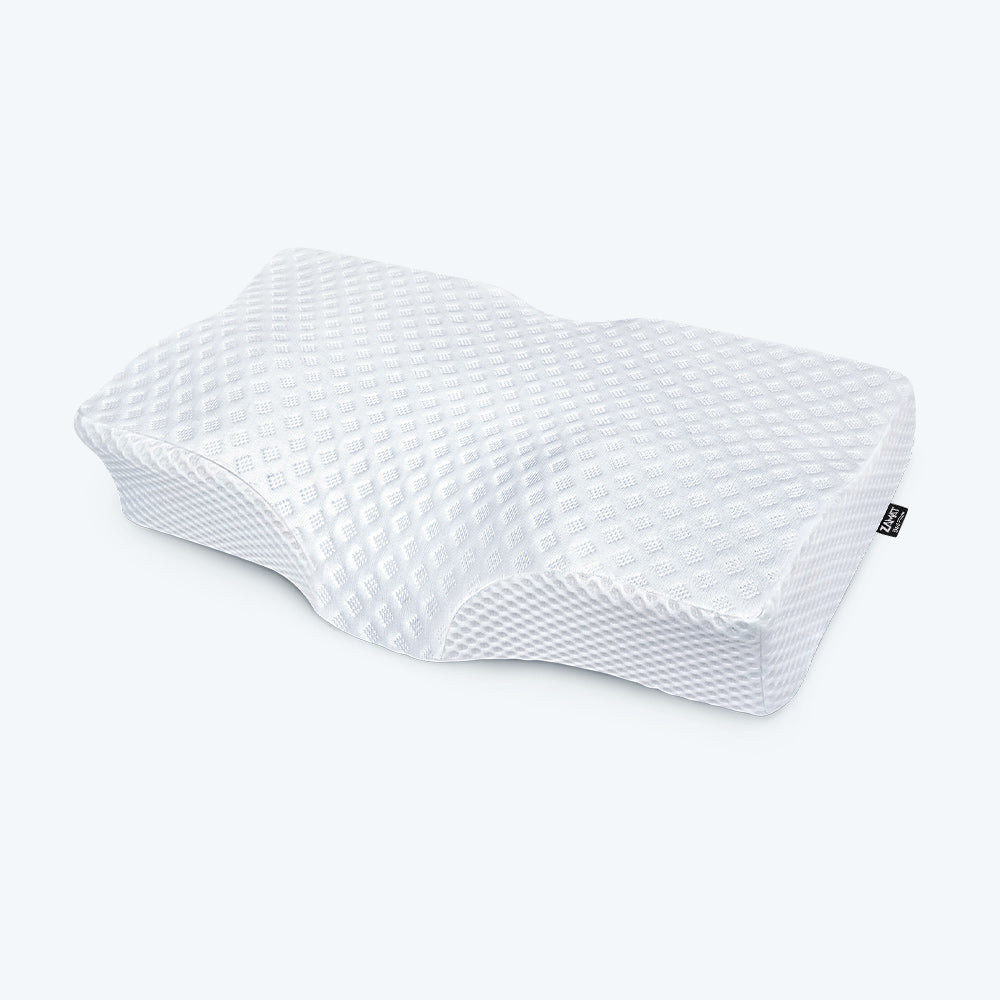
Pillows we recommend for this

FAQ
Keep reading
Get the Mr. Squish Pillow Cheat Sheet
A simple guide to choosing the right pillow based on your sleep position, body size, and comfort preferences.
No spam. Unsubscribe anytime.
Affiliate disclosure: Mr. Squish may earn a commission when you buy through links on this page. Recommendations are based on independent product research; any hands-on test is labelled separately. Learn more.