
Height sets the incline
Lower wedges suit reading and mild elevation; taller ones are typically used for reflux positioning.
Pillow shape guide
Wedge pillows create a fixed incline for the upper body, which people use for reflux positioning, congestion, or sitting up in bed. Height and width drive whether the wedge actually works for you.
Start with the fundamentals
Lower wedges suit reading and mild elevation; taller ones are typically used for reflux positioning.
A narrow wedge is easy to roll off, especially if you move a lot during the night.
Elevation may help symptoms for some people, but reflux and breathing problems need clinical care.
Research shortlist
These are research picks based on manufacturer specifications, documentation, and owner-feedback patterns—not hands-on testing.
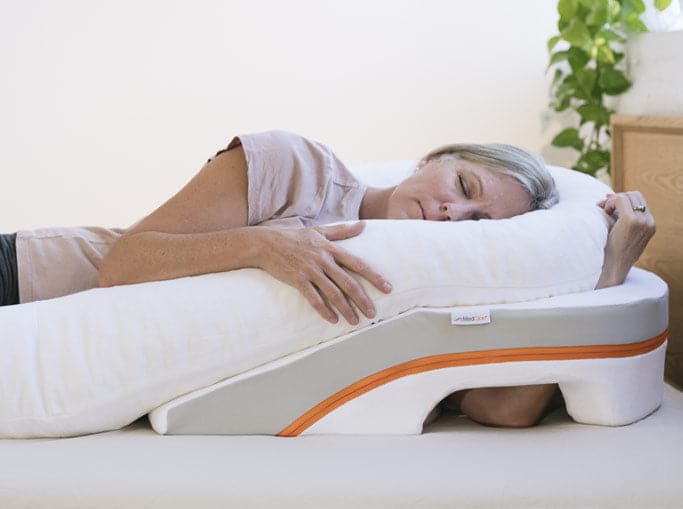
Best for: Acid reflux and GERD sufferers who sleep on their left side
A patented arm-pocket wedge plus body pillow that holds you at an incline on your left side all night — the position clinical research links to the biggest drop in night-time reflux.
Read Review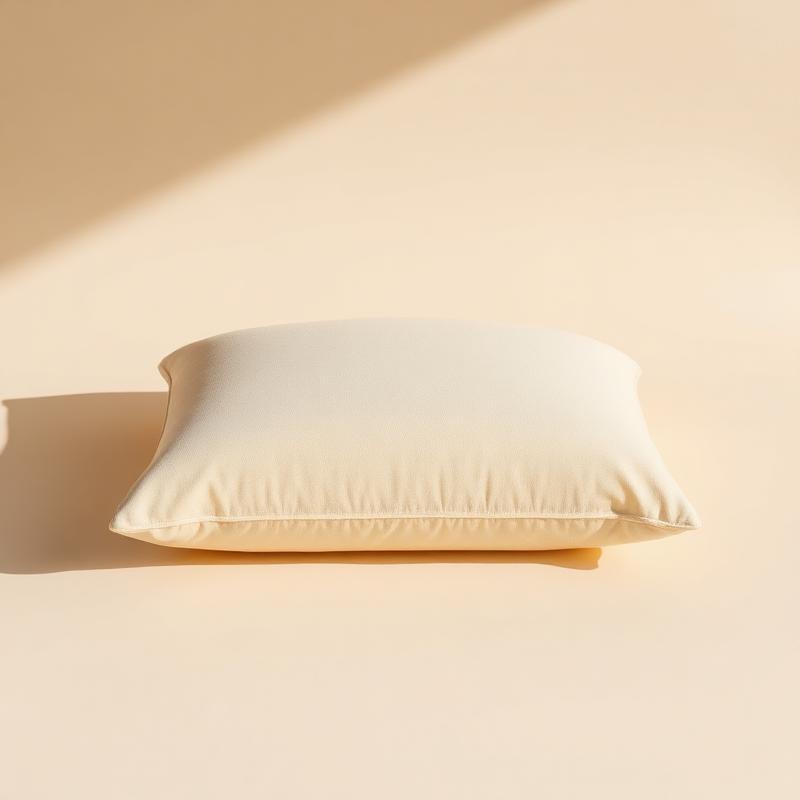
Best for: Side sleepers, pregnancy, and hip alignment
A long adjustable shredded-foam bolster you hug and tuck between your knees. It stops your top hip from rolling forward, which is the quiet cause of a lot of side-sleeper back pain.
Read Review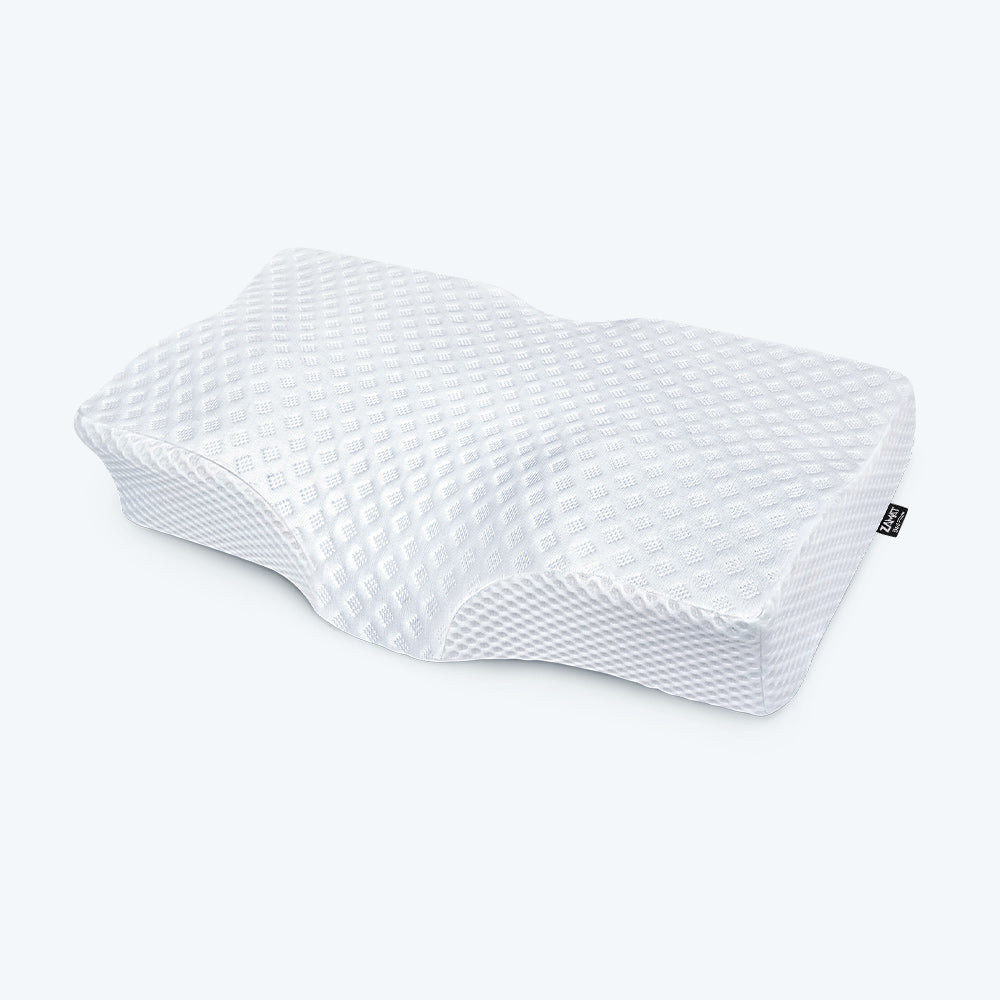
Best for: Side sleepers with morning neck stiffness
A contoured cervical pillow with an adjustable insert and a shoulder-notch design that keeps side sleepers' necks neutral all night.
Read ReviewWedge pillows come in 7, 10, and 12-inch heights and 30 to 32-inch widths. Here's how to match height, angle, and width to reflux, snoring, breathing, or post-surgery recovery.
Reflux, snoring, congestion, post-surgery recovery, leg swelling, and reading in bed — an honest look at what a wedge pillow helps with and what it doesn't.
The right angle, the right position, and the right pillow on top — everything you need to actually stay comfortable on a wedge pillow all night, whether it's for acid reflux, snoring, or congestion.