
How to Sleep With Acid Reflux (Without Waking Up Burning)
Nighttime reflux is worse than daytime reflux for a simple reason: lying down removes gravity from your side. Stomach acid pools against the valve at the top of the stomach, slips into the esophagus, and sits there far longer than it would if you were upright. The fixes that actually work are positional — which side you lie on, how high your torso sits, and when you last ate. This guide covers all three, plus the single most common pillow mistake that turns a reflux problem into a reflux-plus-neck-pain problem.
In this guide
Sleep on your left side
Stomach anatomy is asymmetric: the esophagus joins the stomach on the right. Left-side sleeping keeps the stomach's contents below the valve opening; right-side sleeping positions the valve below the acid line. Studies measuring esophageal acid exposure consistently find right-side and back sleeping produce the most reflux episodes, left-side the fewest.
Elevate your torso 6–8 inches — not just your head
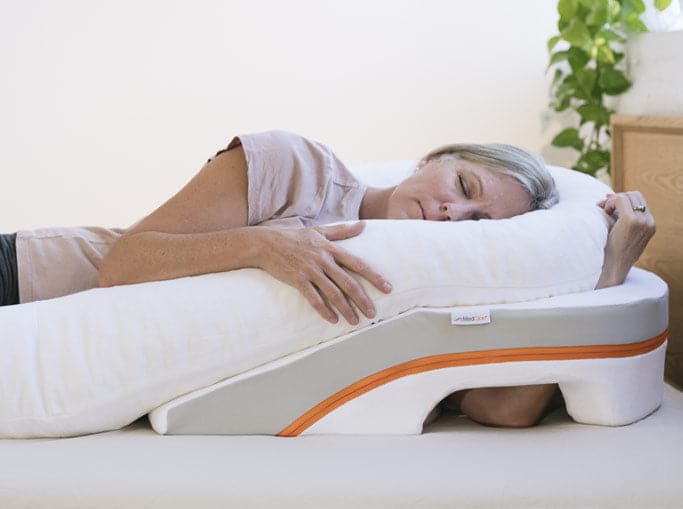
Clinical guidance for nighttime GERD is head-of-bed elevation of 6 to 8 inches, which means your whole torso from the waist up. A gentle incline lets gravity keep acid in the stomach all night.
The mistake: stacking regular pillows under your head. That bends you at the neck, leaves your stomach flat, and the bend at the waist can actually increase abdominal pressure. You get the same reflux plus a sore neck. Elevation has to start at the waist — a bed wedge, an adjustable bed base, or risers under the head-end bed legs.
Timing and habits that matter as much as the pillow
The positional fixes work best alongside basic reflux hygiene.
- Stop eating 3 hours before bed — a full stomach overwhelms any position.
- Keep the evening meal smaller and lower-fat than lunch.
- Avoid the classic triggers at dinner: tomato, citrus, chocolate, mint, alcohol, and caffeine.
- Wear loose waistbands to bed; tight clothing raises abdominal pressure.
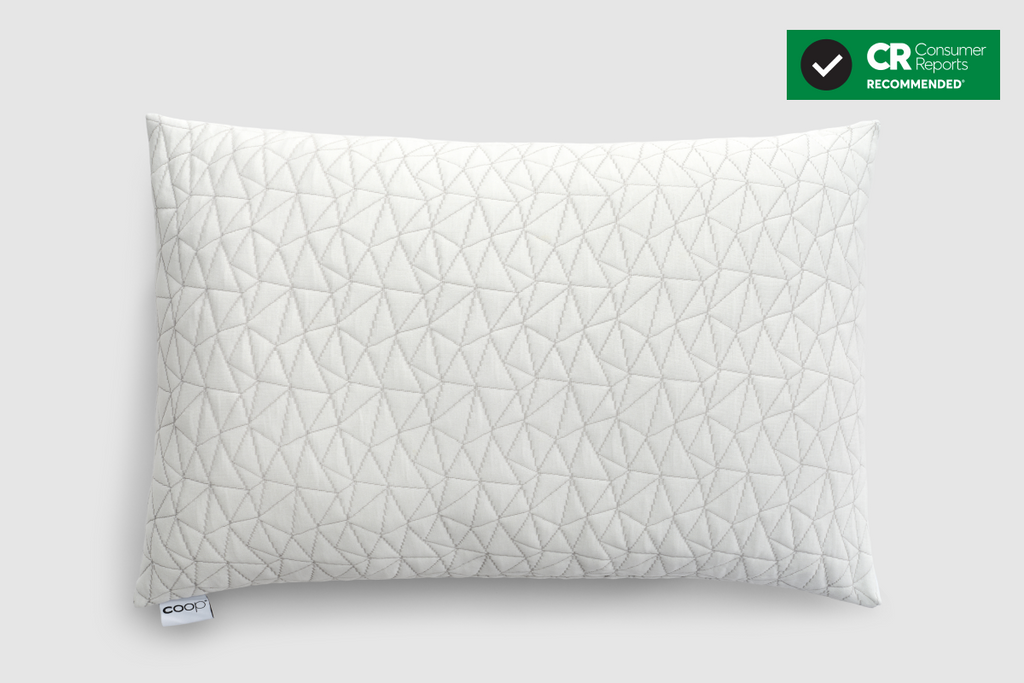
- If you use a wedge, pair it with a thin, soft pillow on top for your head so the incline does not create neck strain.
Wedge pillows vs. adjustable bases vs. bed risers
A foam wedge pillow (7–8 inches at the tall end) is the cheapest and most portable fix, and purpose-built reflux systems add a body-length component that keeps you from sliding down. An adjustable bed base is the premium solution — precise angles, no wedge to store — at ten to twenty times the price. Bed risers under the head-end legs are the zero-cost option and work just as well mechanically, though the tilted mattress bothers some partners.
When reflux is a doctor problem, not a pillow problem
Positional fixes manage symptoms; they do not treat the underlying condition. See a doctor if you have reflux more than twice a week, trouble or pain swallowing, a chronic cough or hoarse voice in the morning, chest pain, or symptoms that persist despite elevation and meal timing. Untreated GERD can damage the esophagus over years, and effective medications and procedures exist.
Pillows we recommend for this
FAQ
What is the best sleep position for acid reflux?
On your left side with your torso elevated 6–8 inches. The left-side position keeps stomach acid below the esophageal valve, and elevation lets gravity hold it there.
Does stacking pillows help acid reflux?
No — and it can hurt. Stacked pillows bend your neck without lifting your stomach, and the waist bend can increase abdominal pressure. Elevation must start at the waist: a wedge, an adjustable base, or bed risers.
How high should a wedge pillow be for GERD?
Clinical guidance is 6–8 inches of elevation at the head of the bed. Most reflux wedges are 7–8 inches at the tall end. Gentler inclines tend not to move symptoms.
Is back sleeping bad for reflux?
Flat back sleeping is one of the worst positions for reflux. If you cannot side sleep, back sleeping on a wedge with the torso elevated is the acceptable alternative.
Keep reading
Find the Right Pillow for Your Sleep Style
Get a tailored shortlist based on sleep position, shoulder fit, desired loft and materials using our free Pillow Finder.
Start the Free Pillow Finder →Instant recommendations, no email or signup required. We may earn commissions on some buying links.
Affiliate disclosure: Mr. Squish may earn a commission when you buy through links on this page. Recommendations are based on independent product research; any hands-on test is labelled separately. Learn more.